
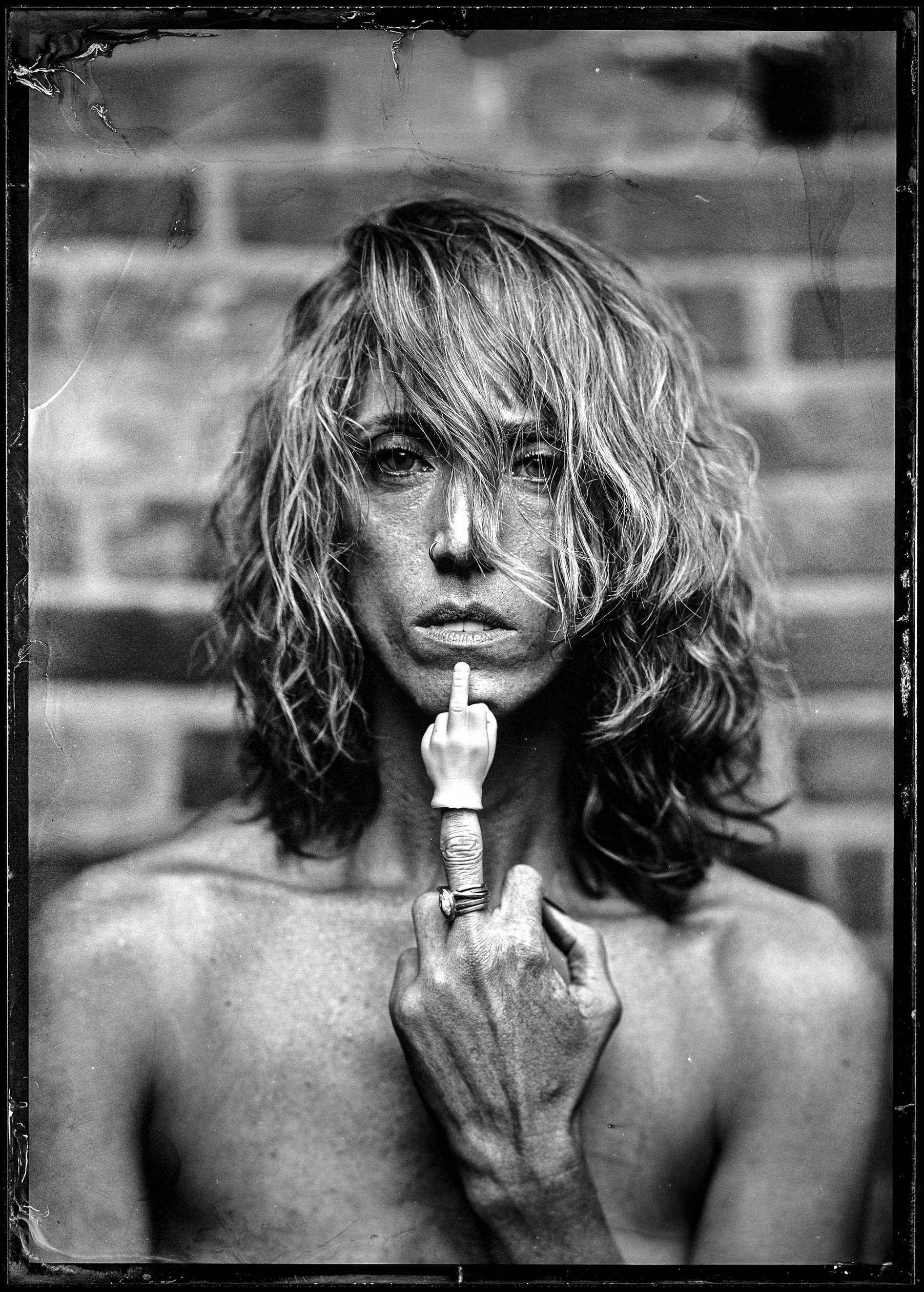
🖕🧊
Fine Art Tintypes — Salt Lake City
The work I make when nobody has commissioned anything.
These are the ongoing series — figure studies, self portraits, and collaborations with models, stylists, and hair and makeup artists. It is where I test what the process can be pushed to do, and it is where most of what I have learned about light came from.
Black and white, hard light, and a medium that renders skin unlike anything else make the human form an obvious subject. The studio is small and the light is scarce, which forces compositions I would not otherwise arrive at.
The figure work running through all of it is about form, contour, and the limits of a small studio. It is collaborative by necessity: holding a deliberate pose through a wet plate exposure is real work.
Some of this work was made in sets — two plates, or three, from one sitting, meant to be read together. A tintype has no negative, so a set is not a burst of frames with one picked out: every plate is its own object, made deliberately, one after another. What changes between them is the whole point. Often it is the same person read two ways.
Bodies
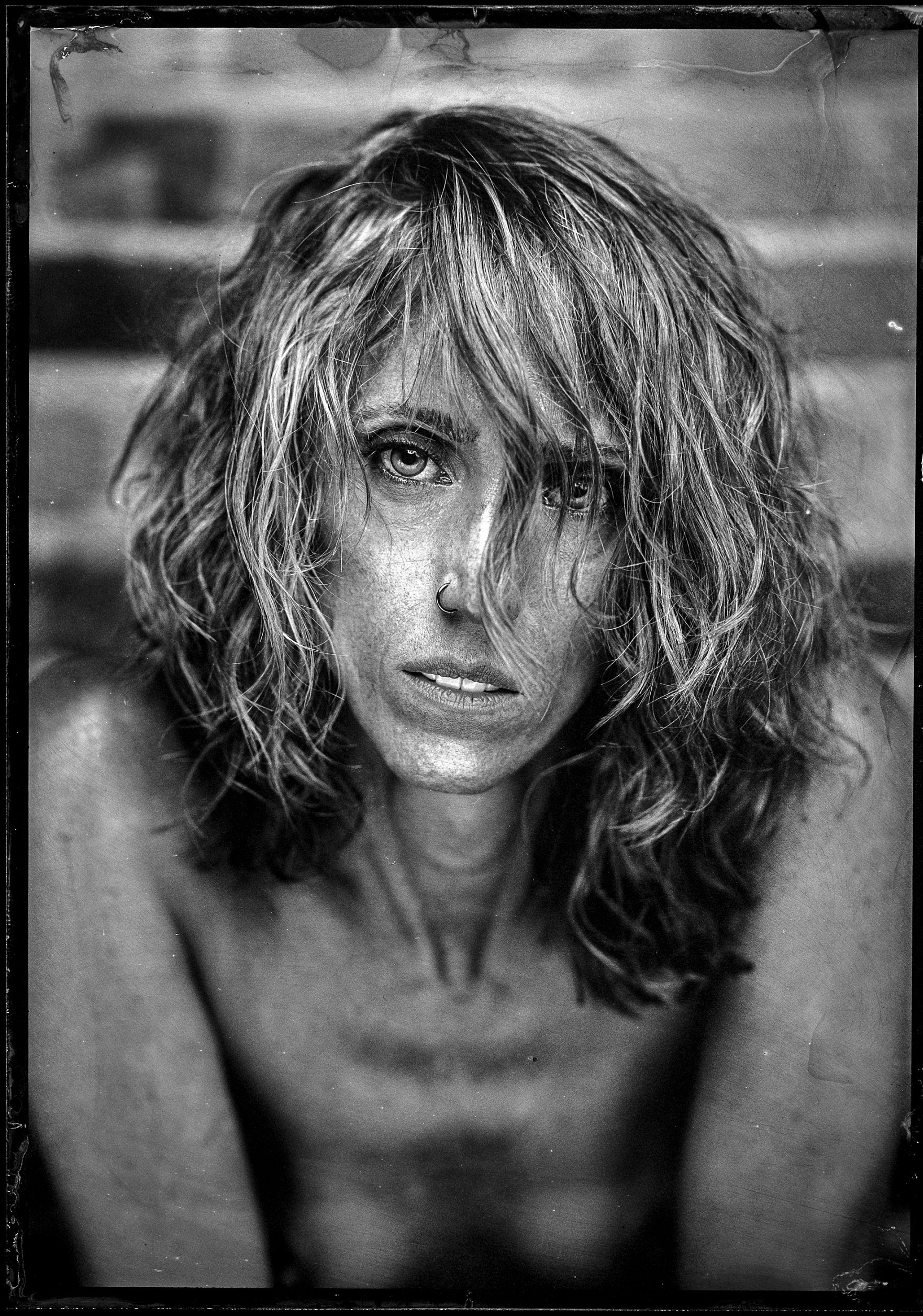
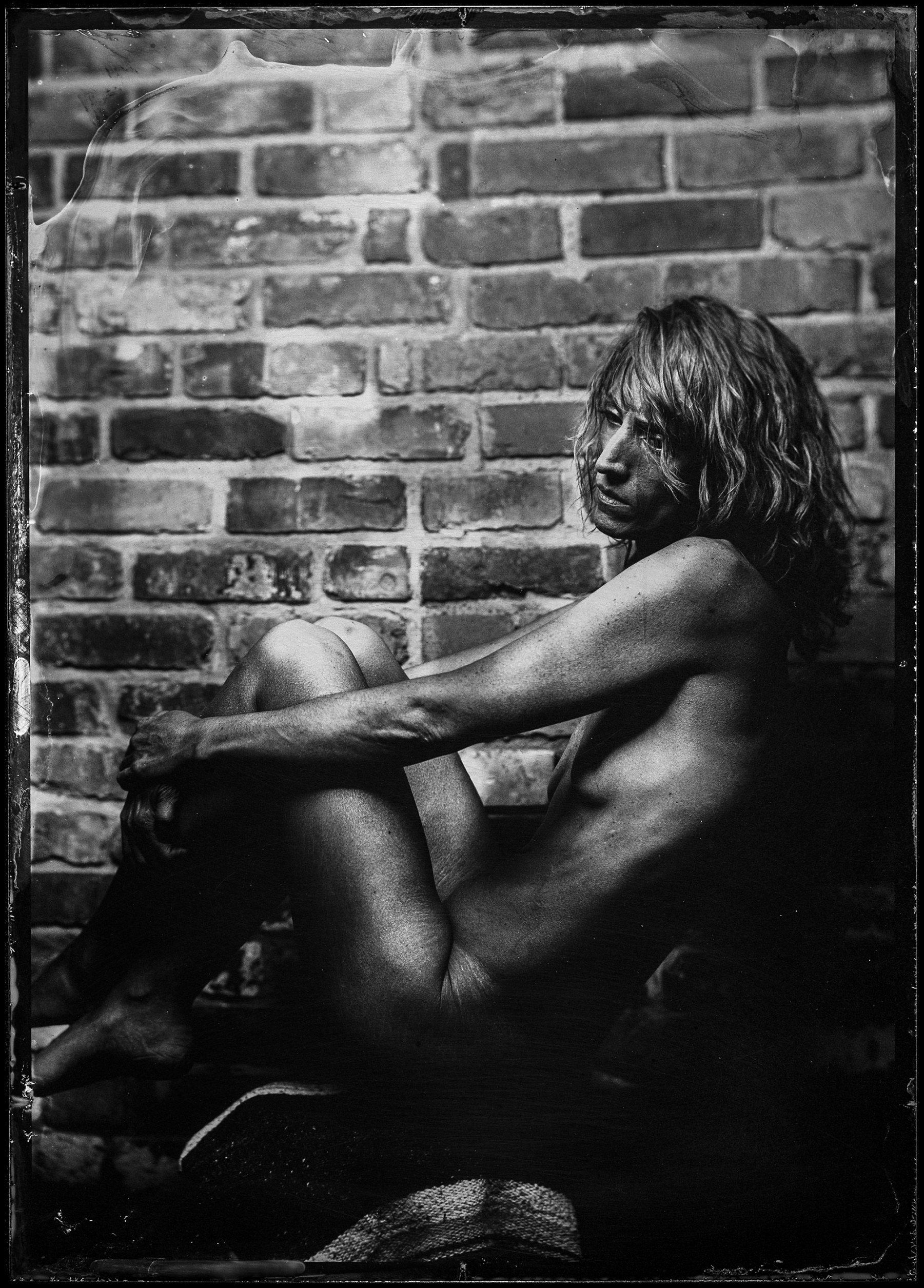
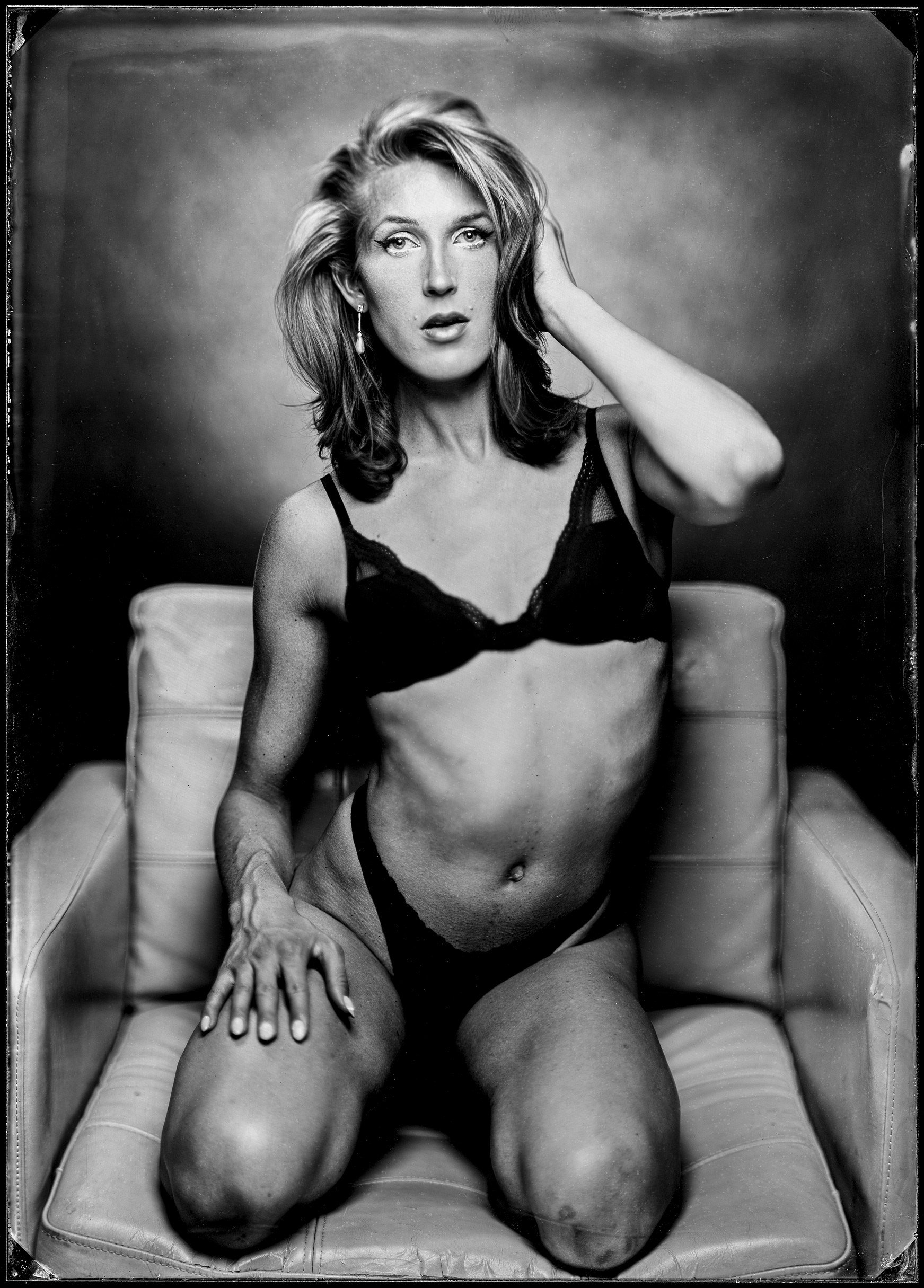
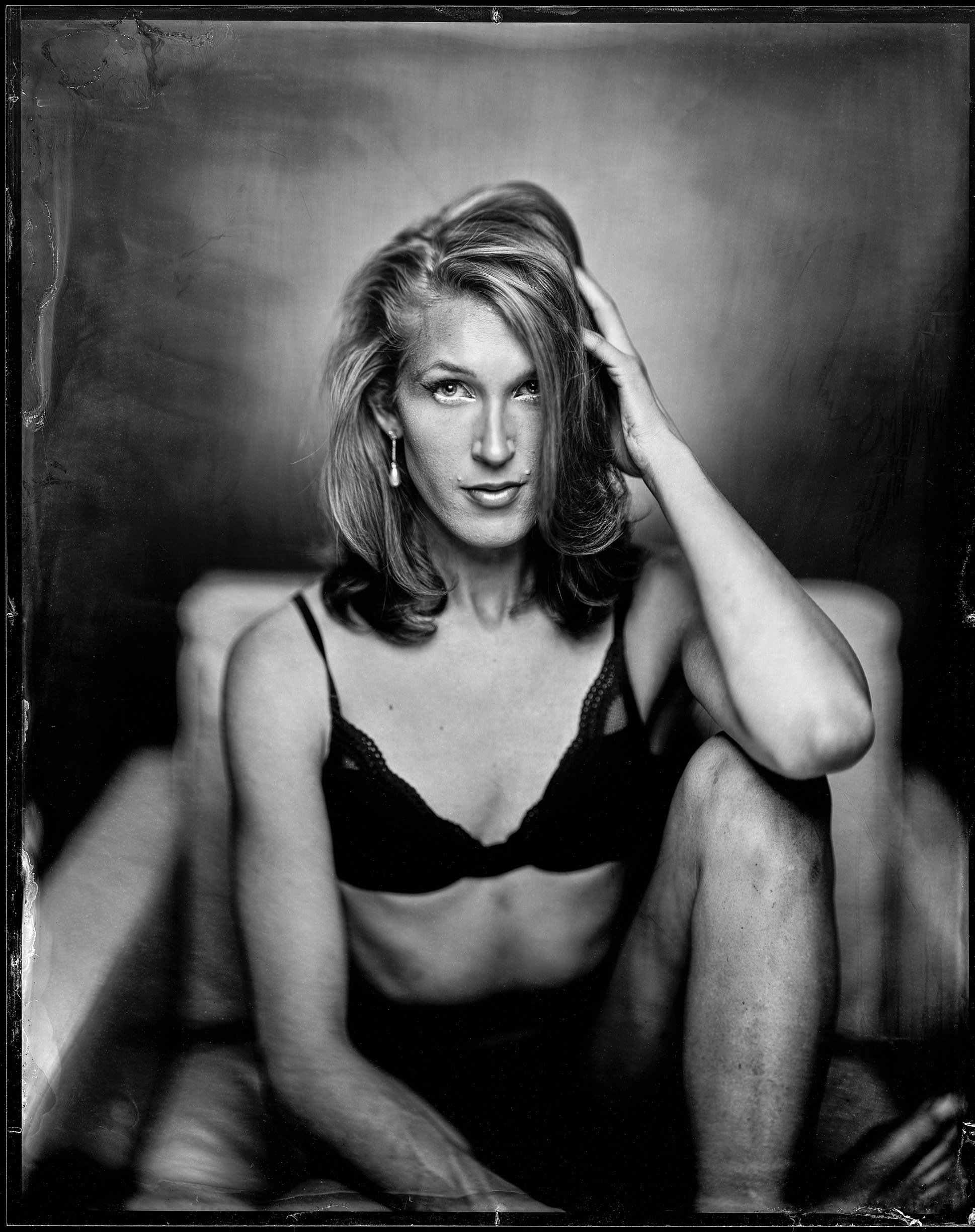
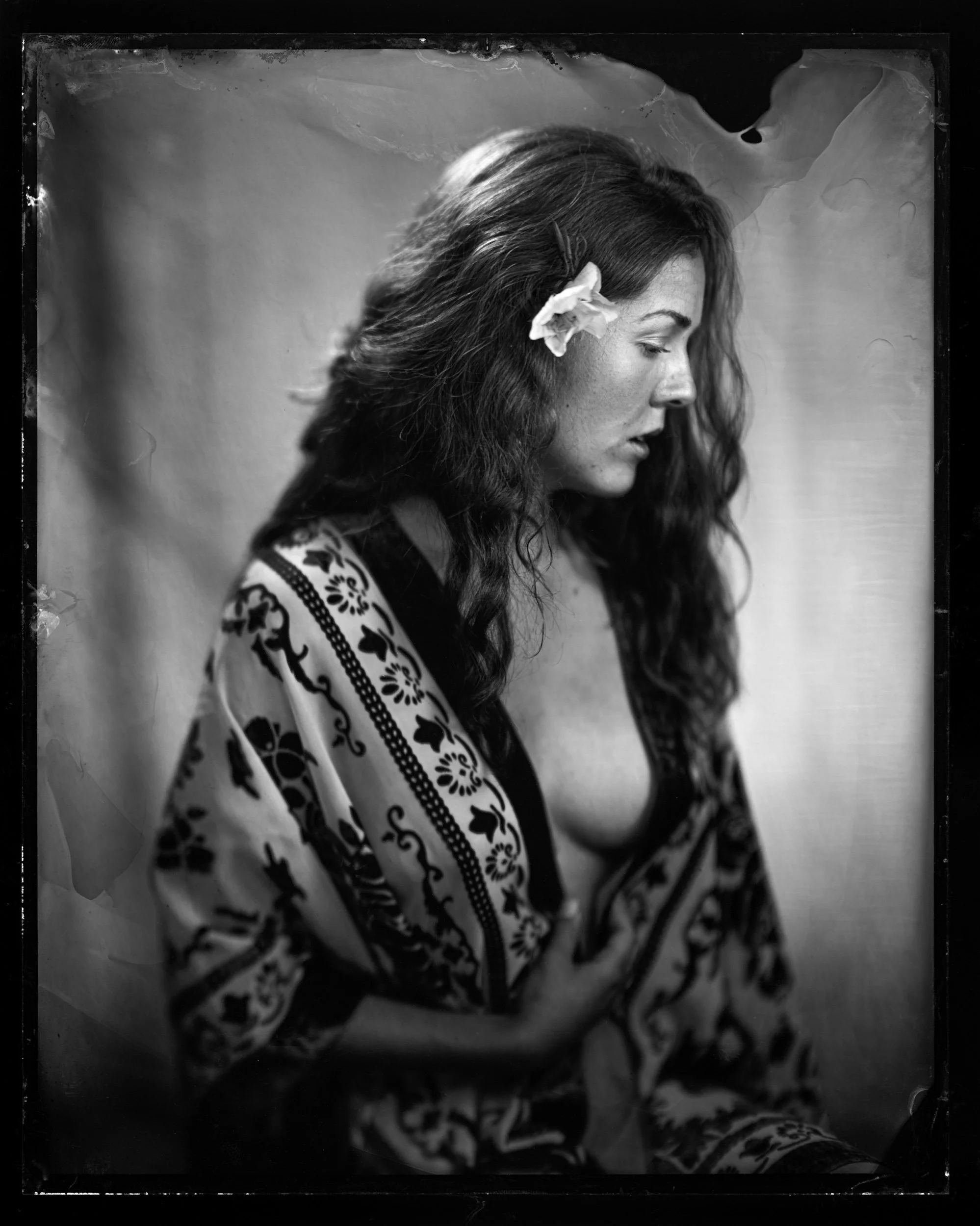
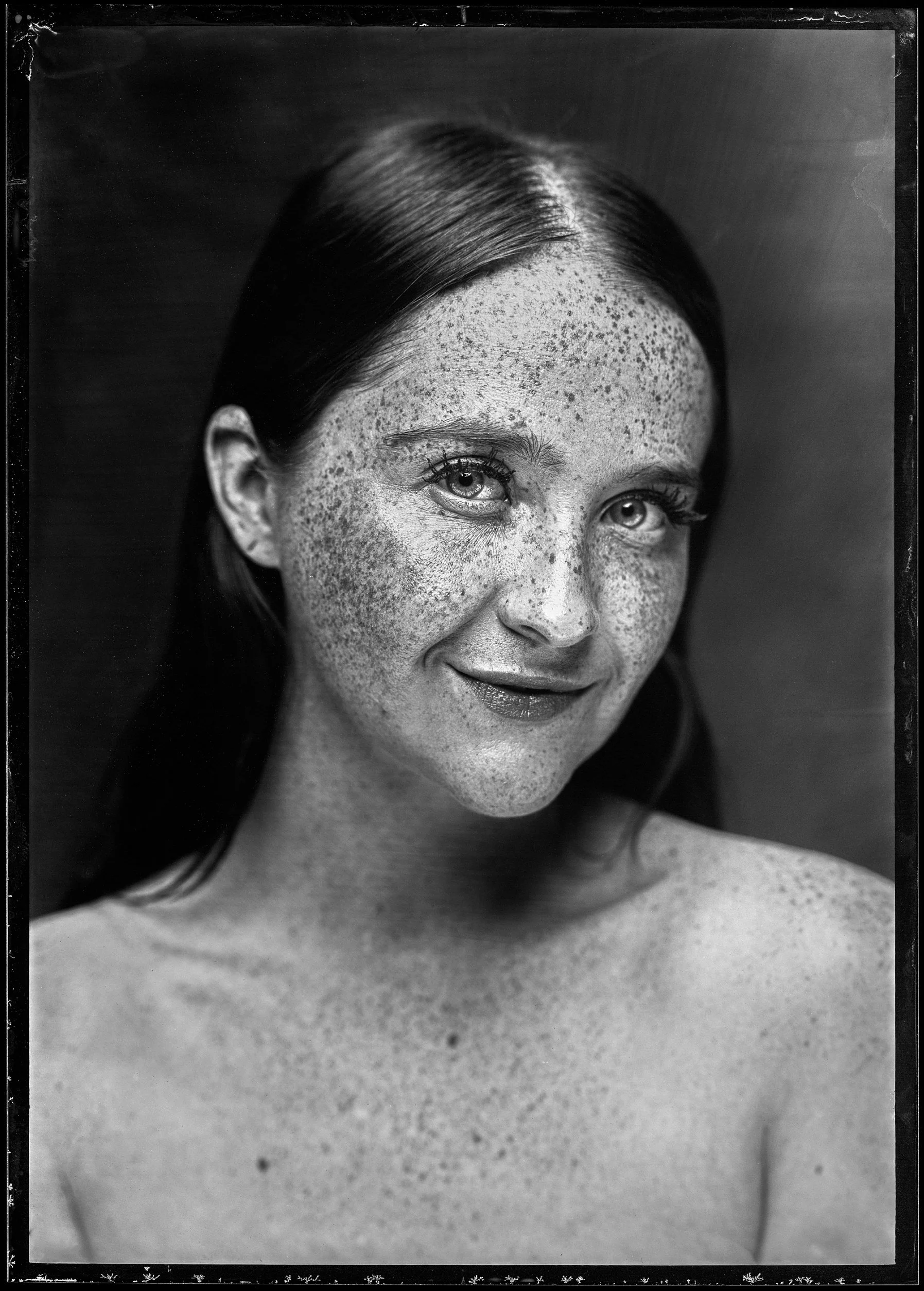
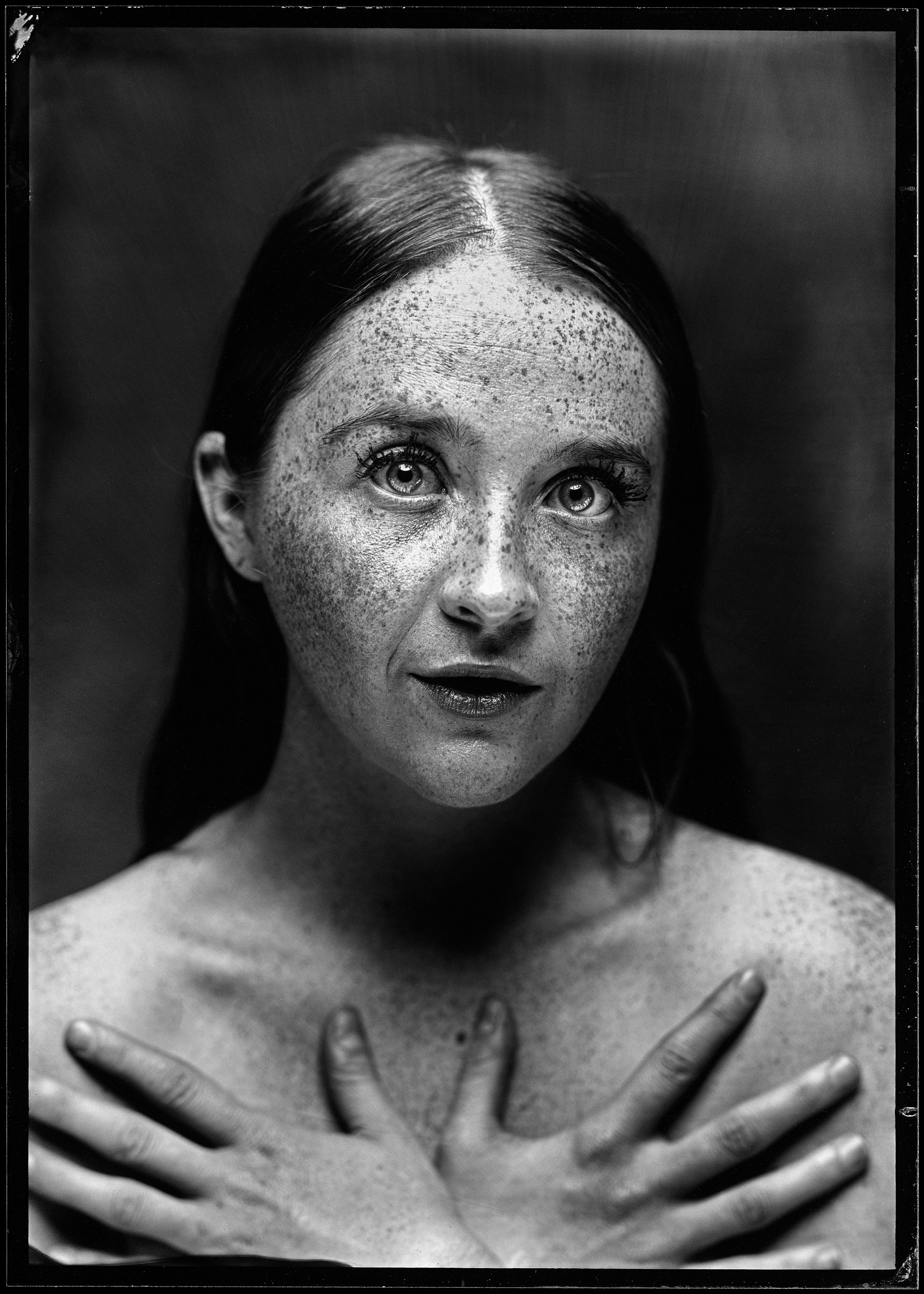
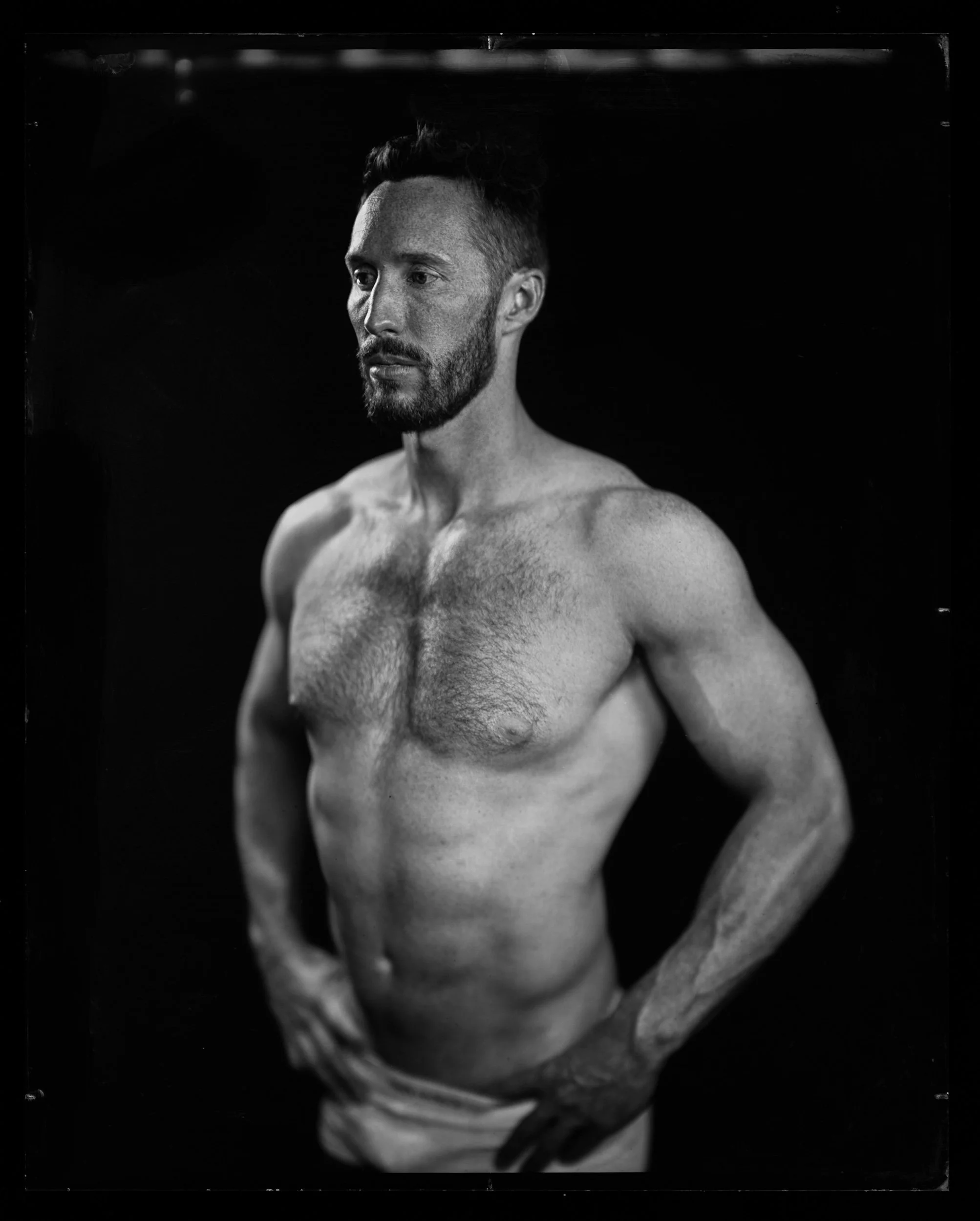
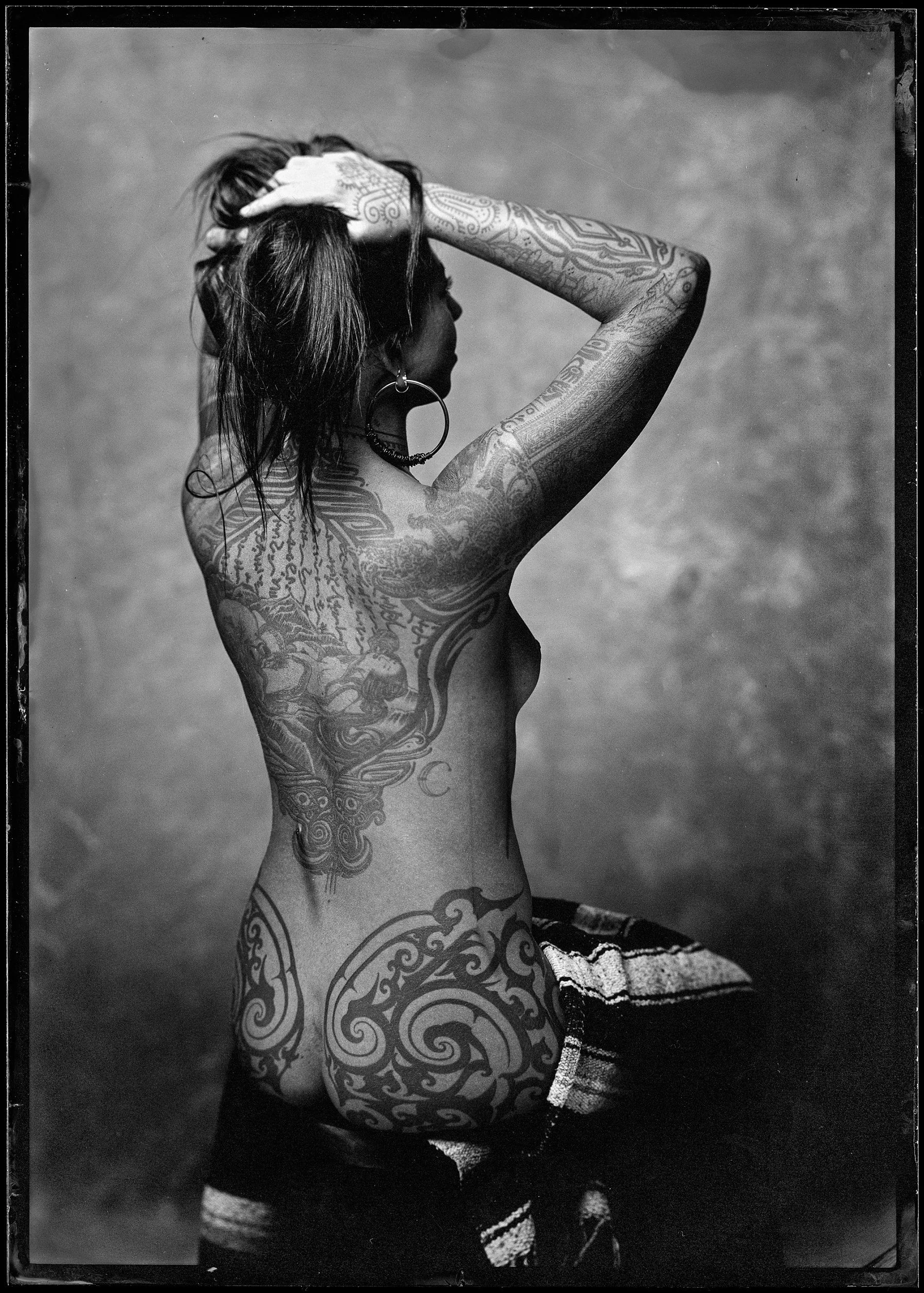
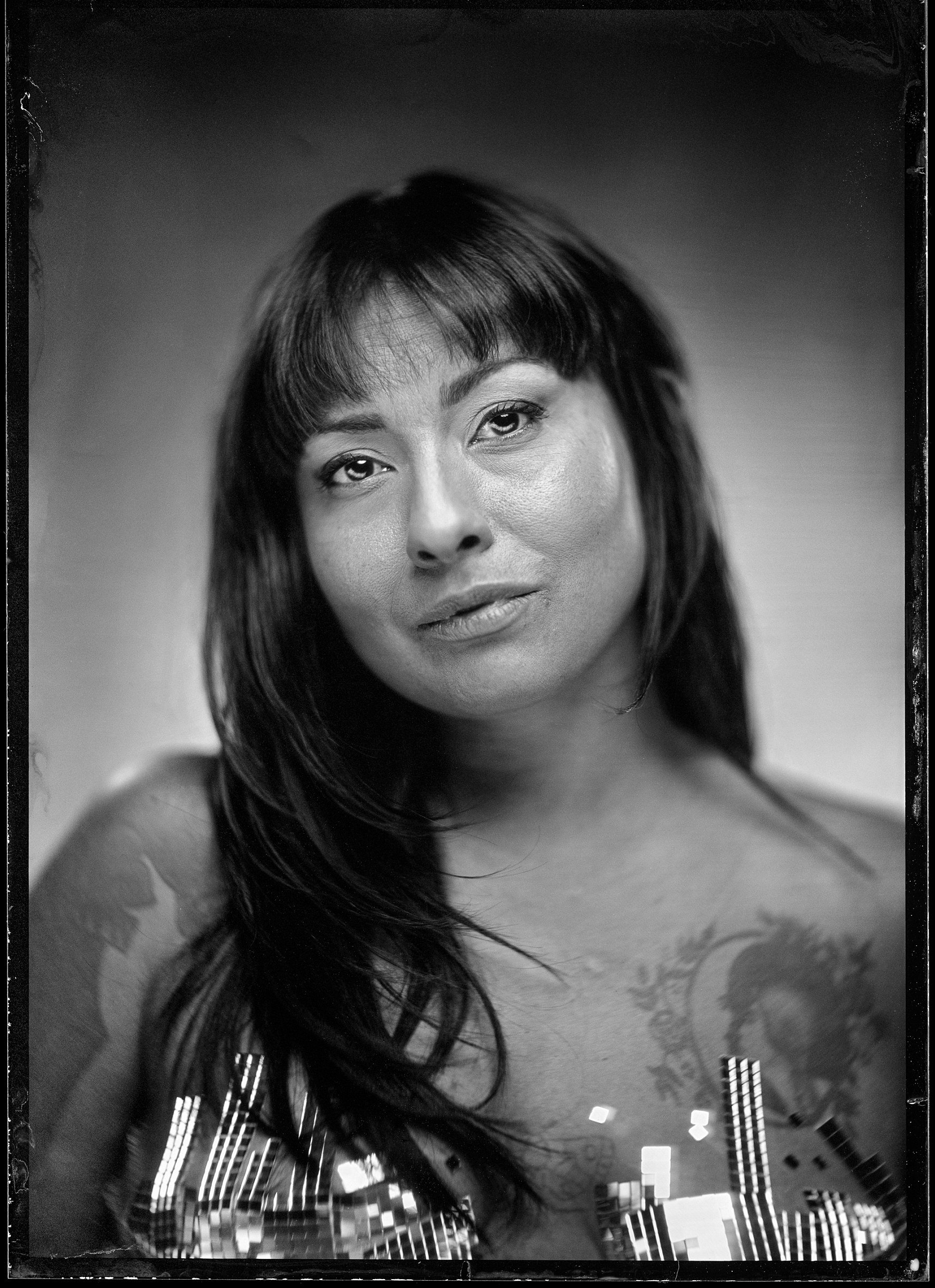
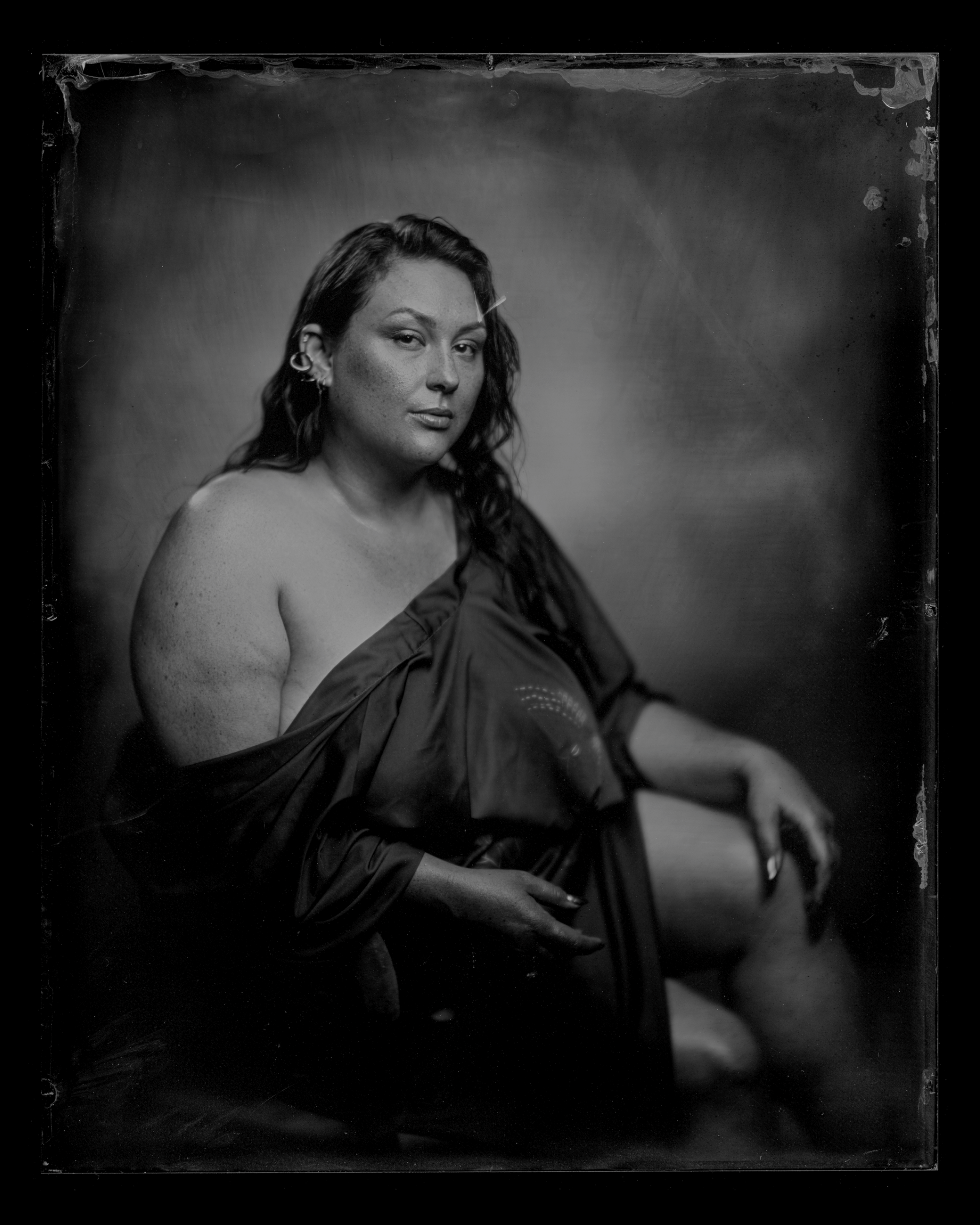
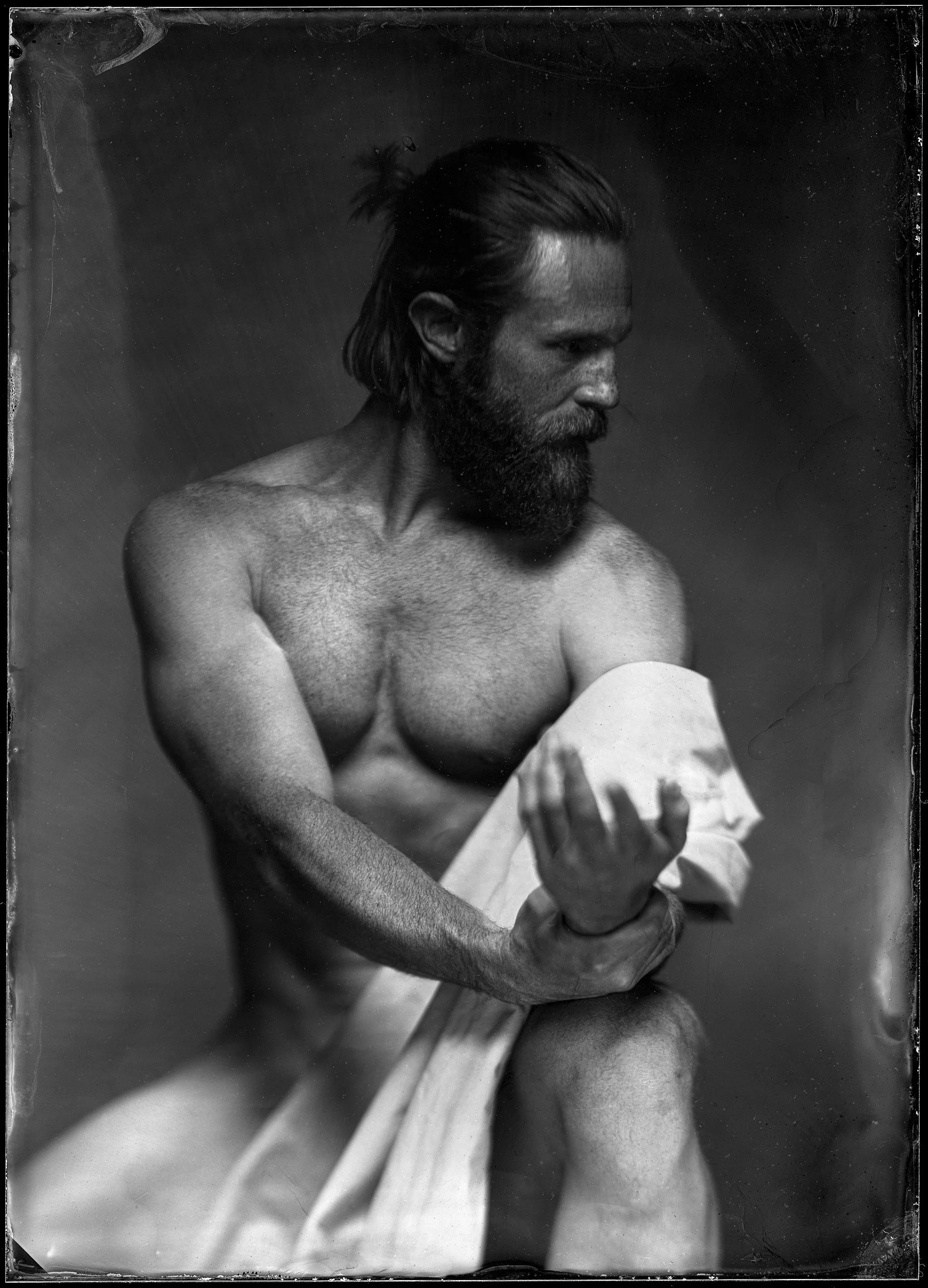
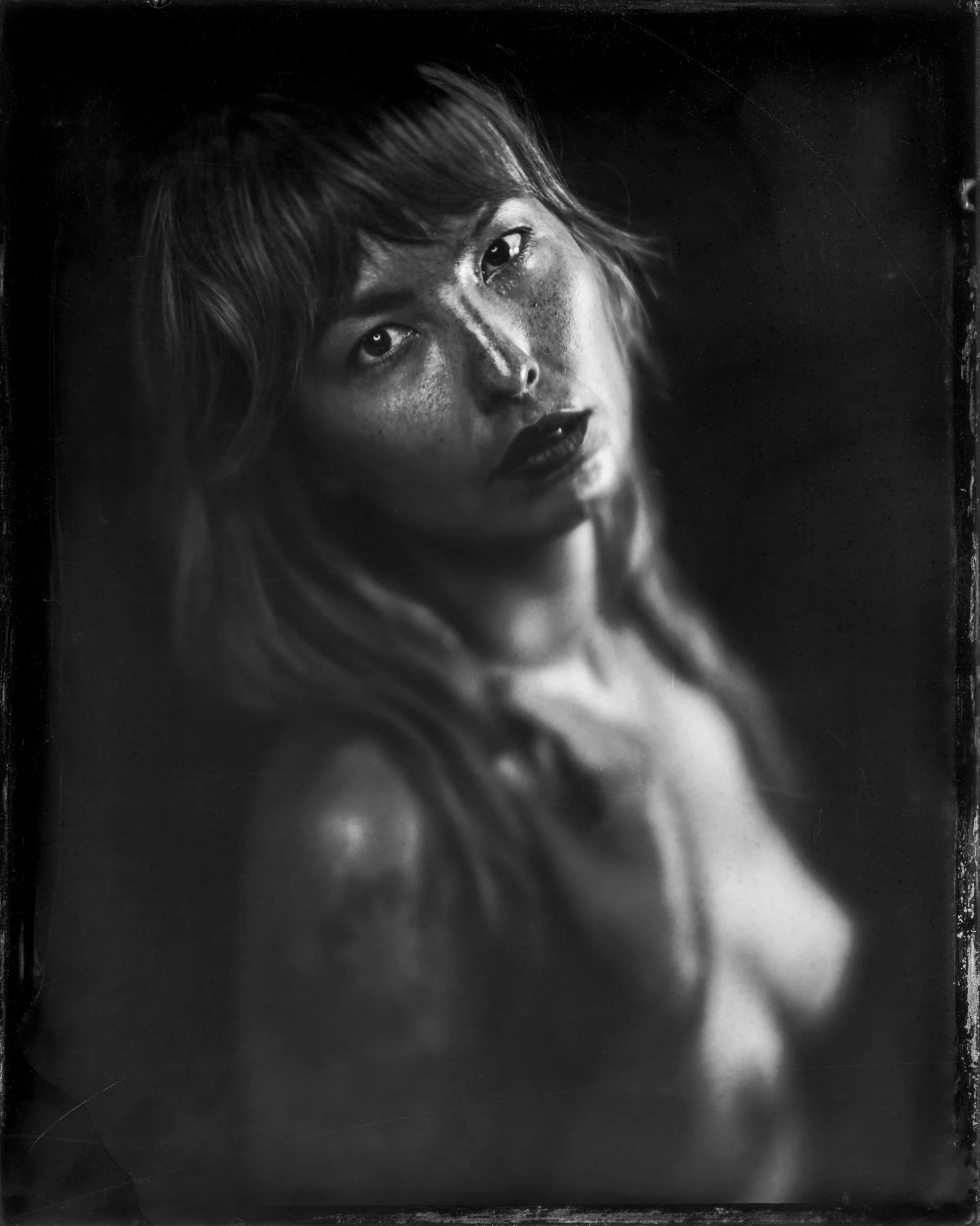
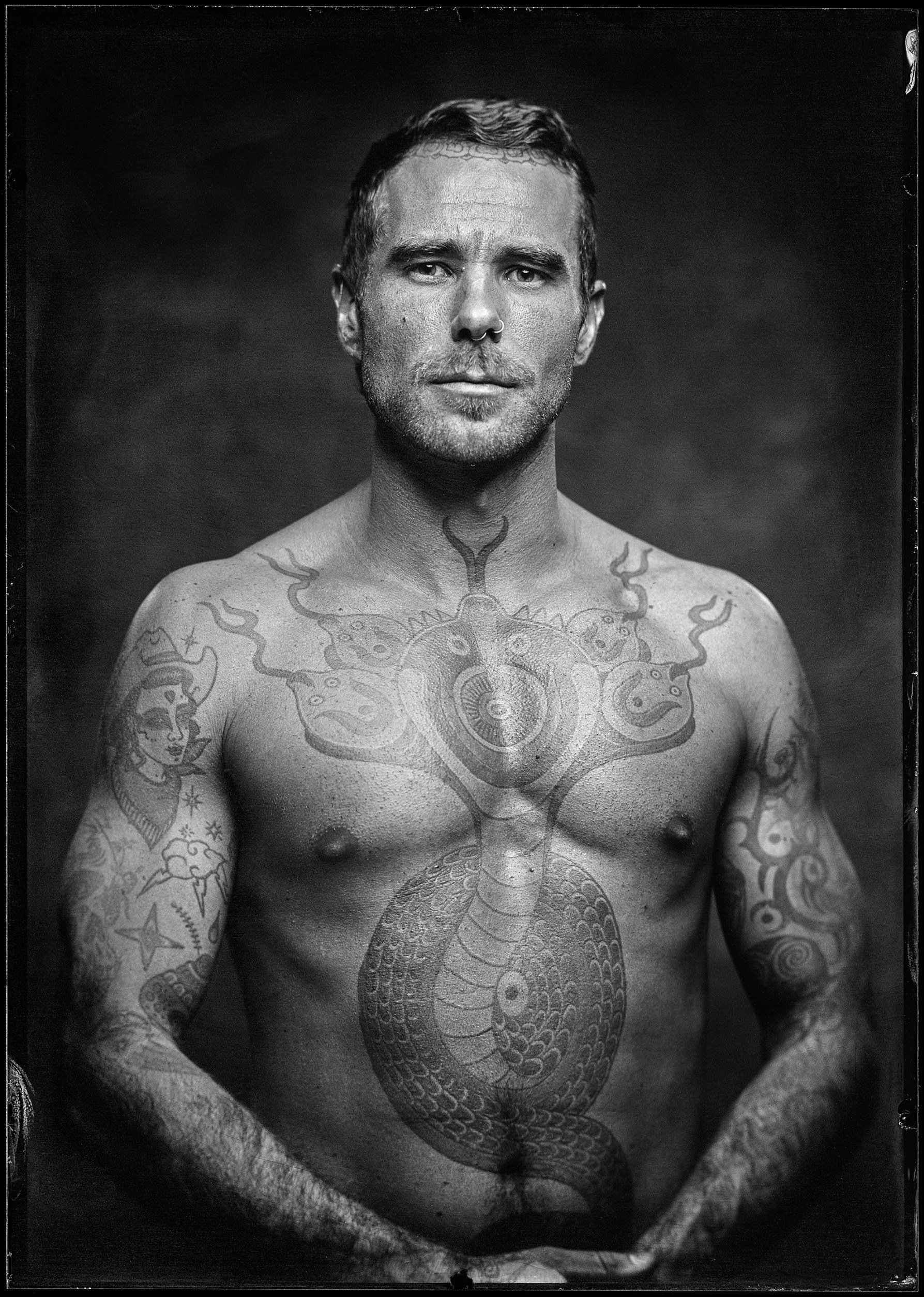
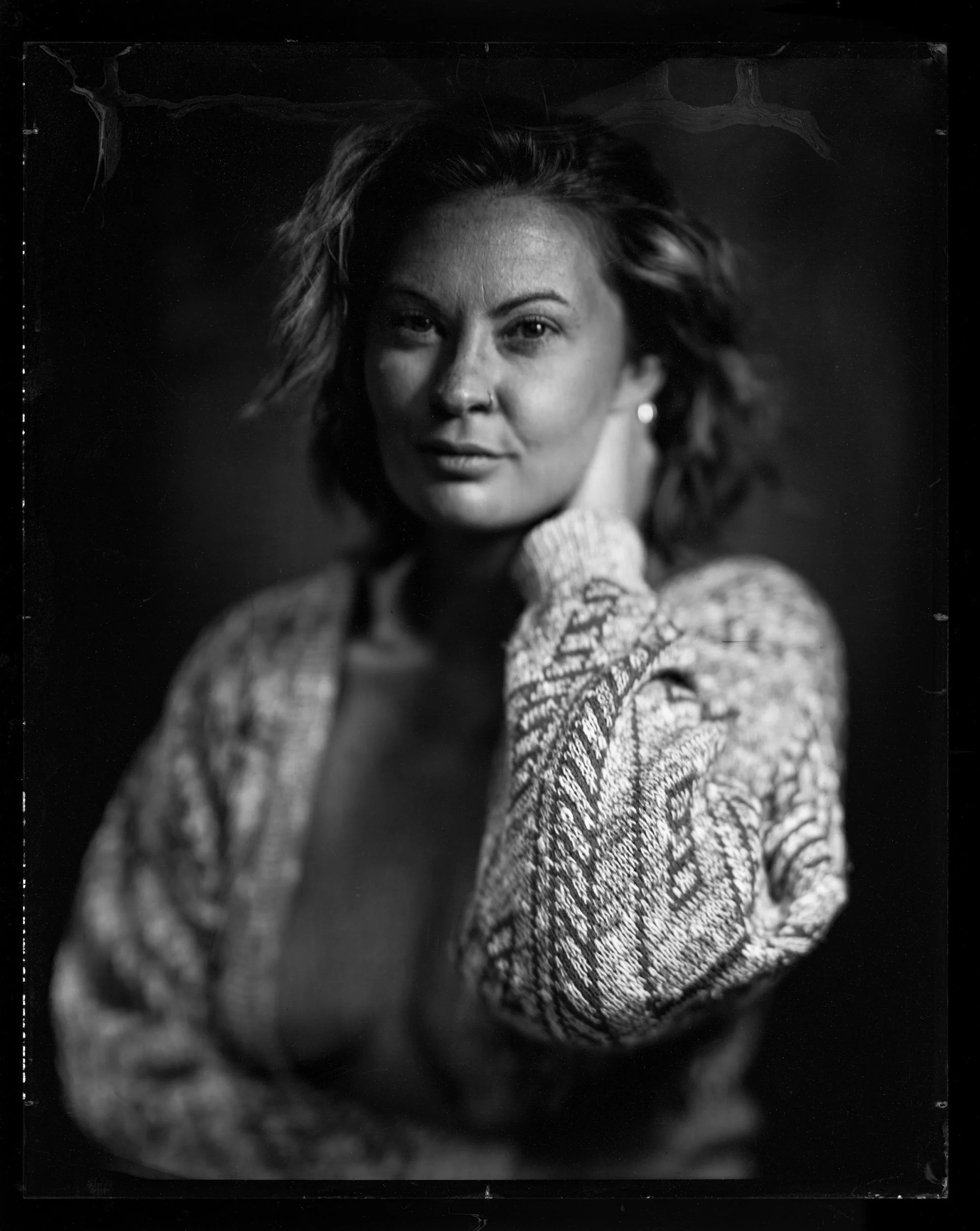
Figure work where the body is the subject rather than the setting. Collaborative, slow, and made with a great deal of conversation before anyone picks up a camera. Grouped separately here so it can be viewed on purpose rather than by accident.
Rope
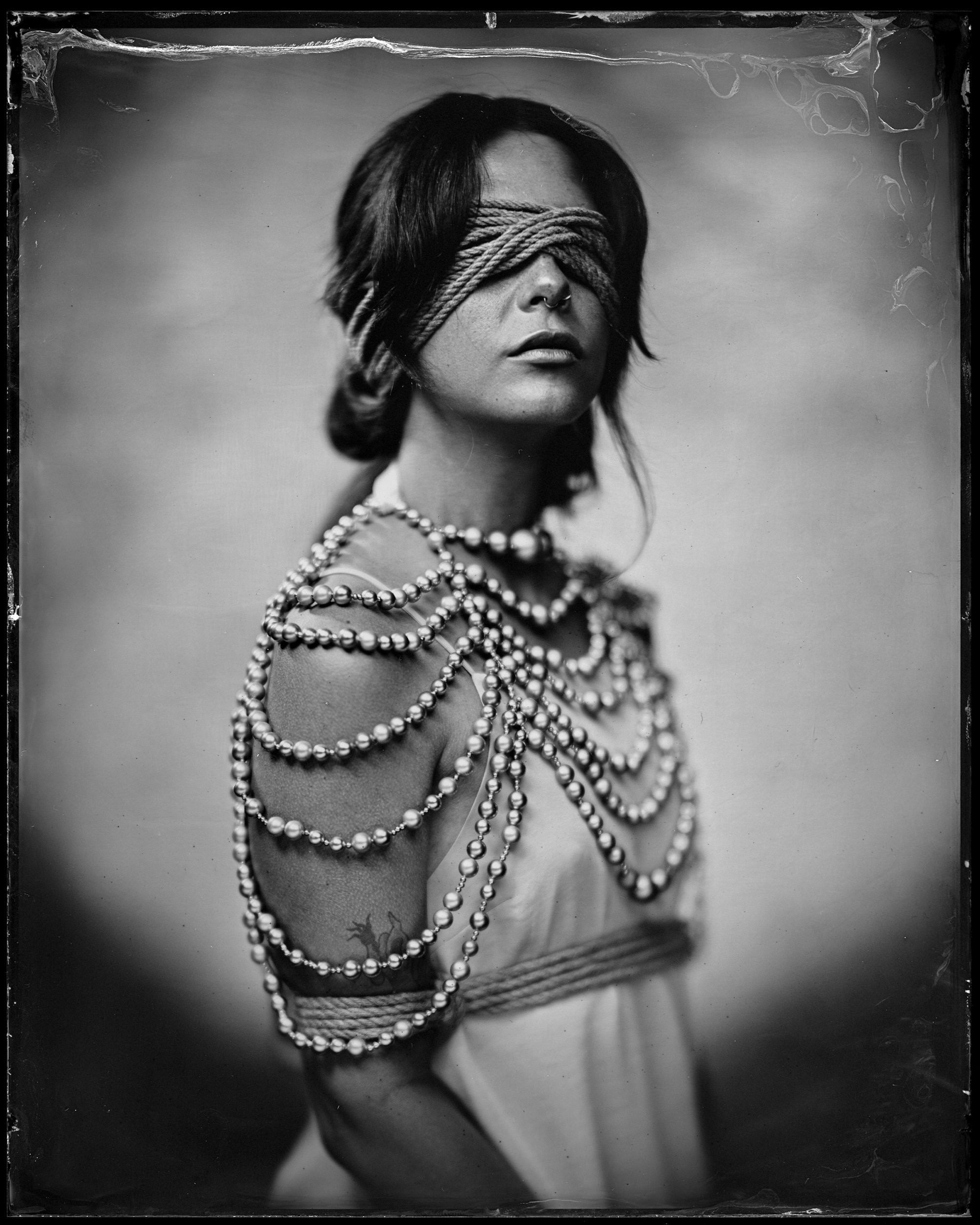
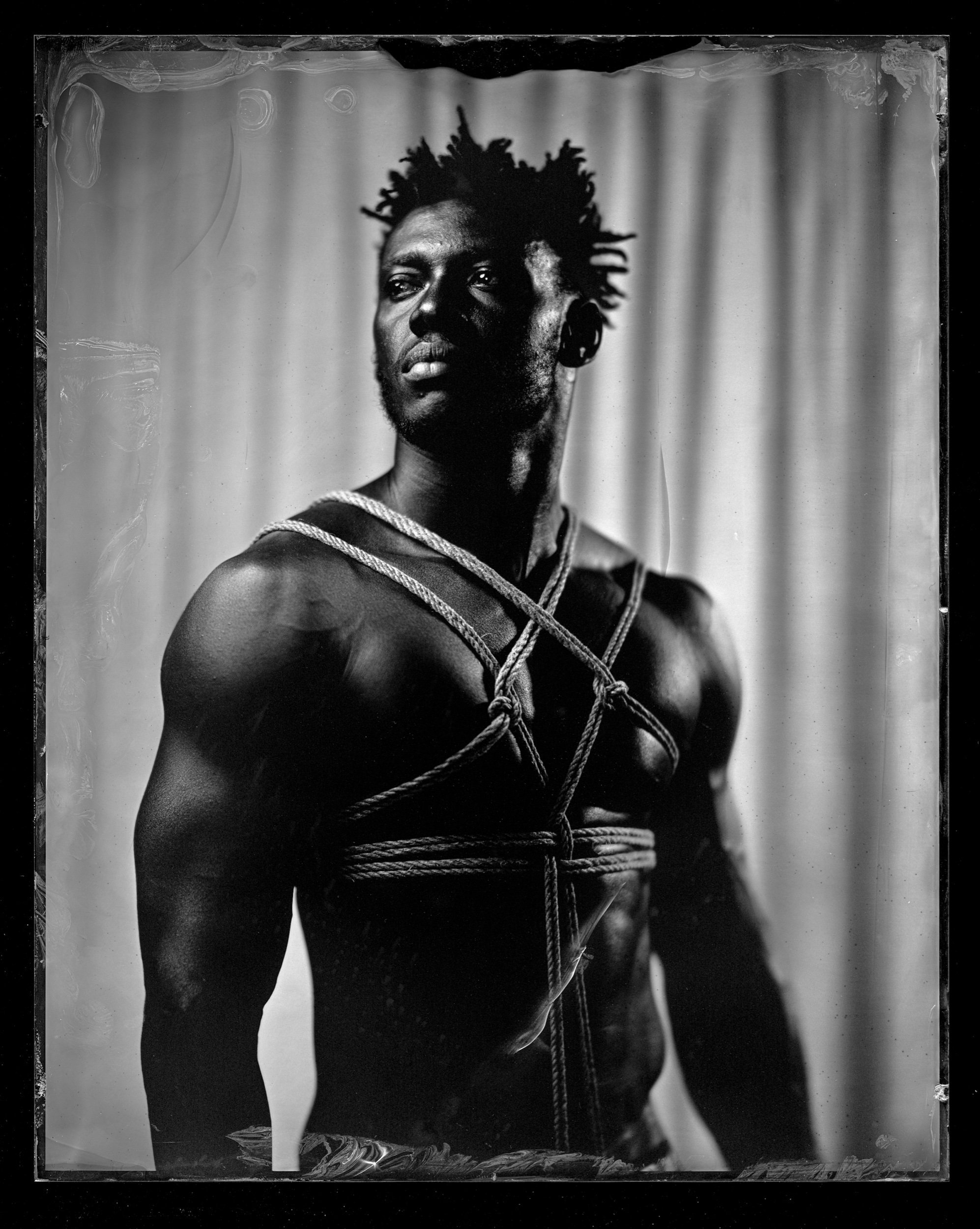
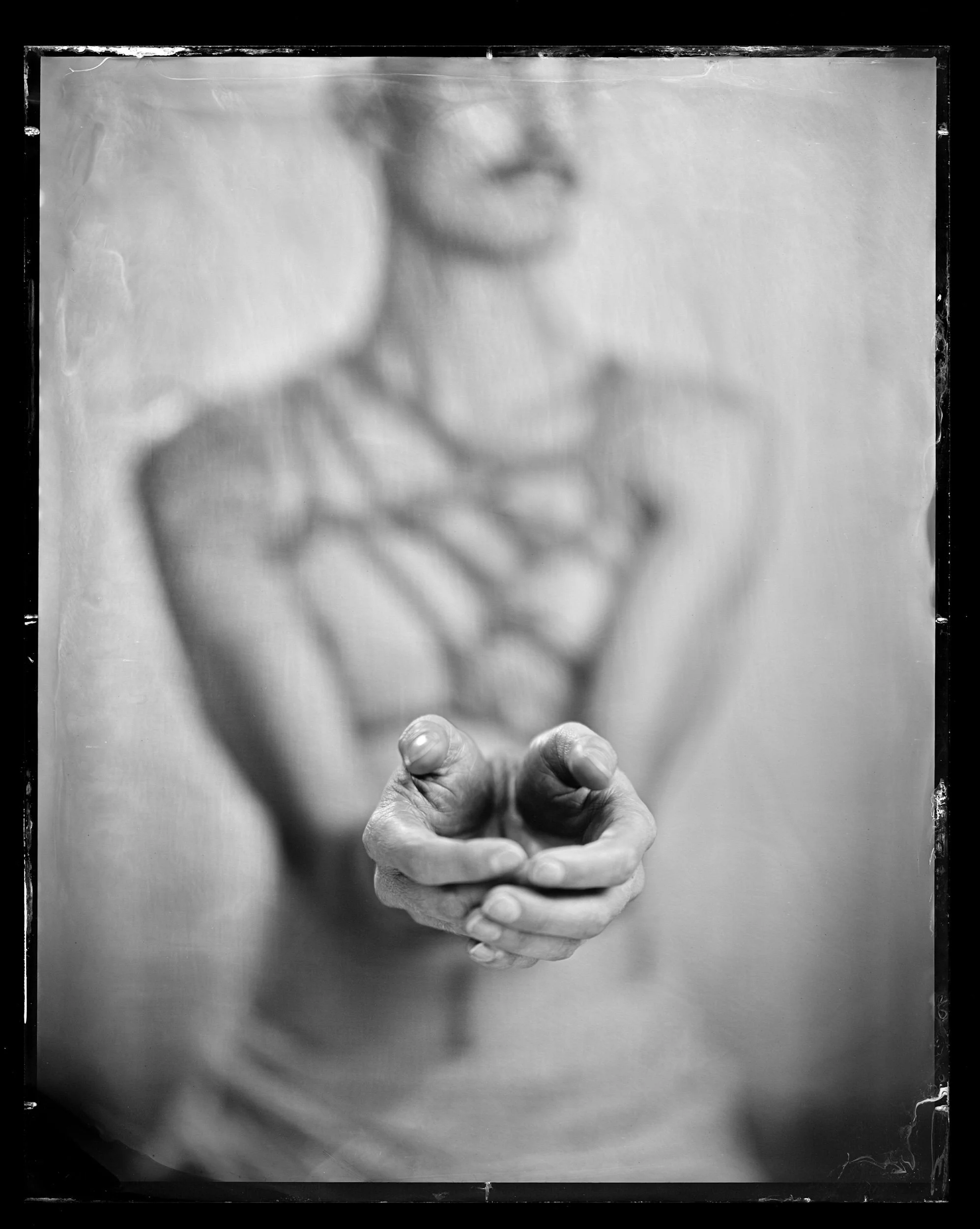
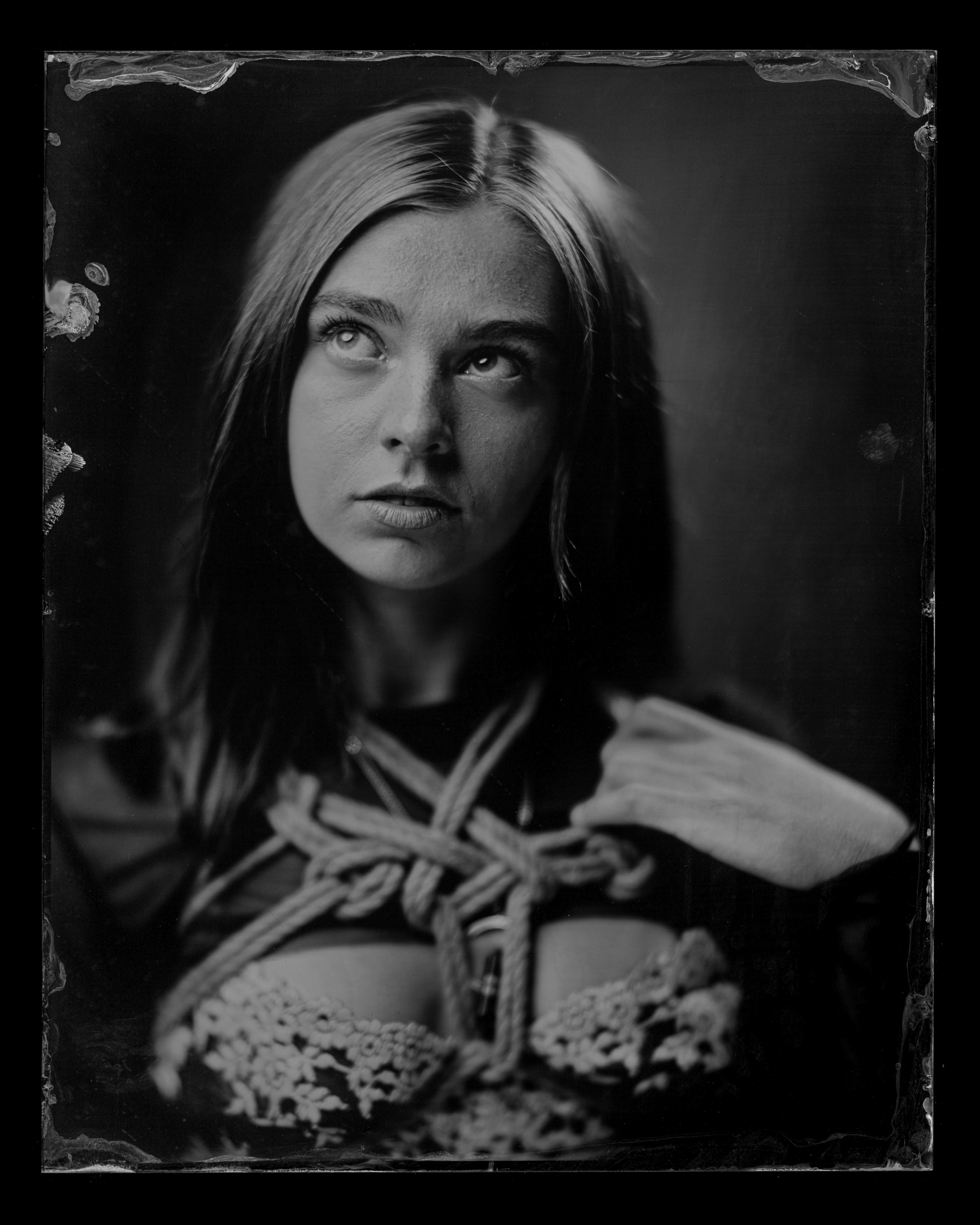
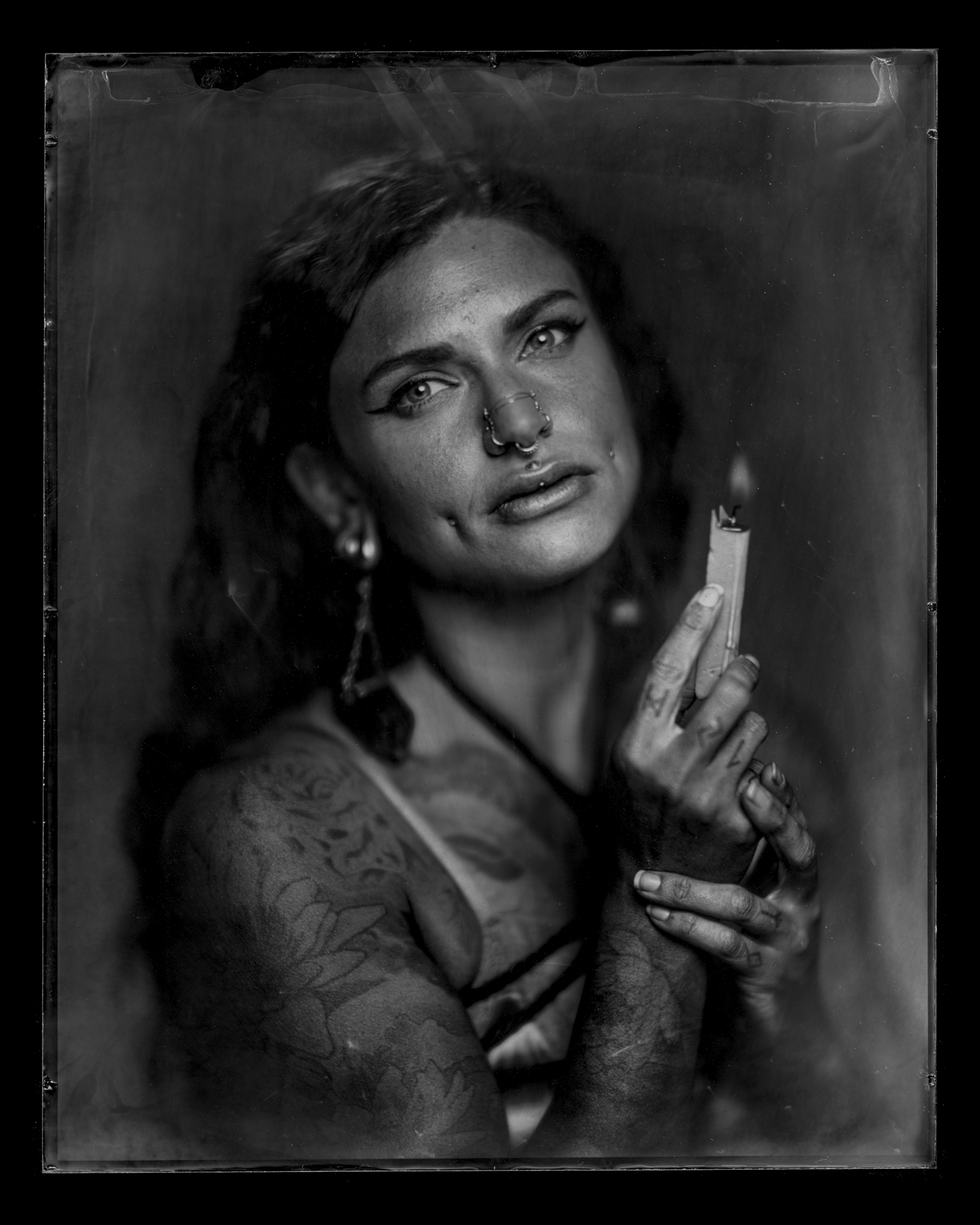
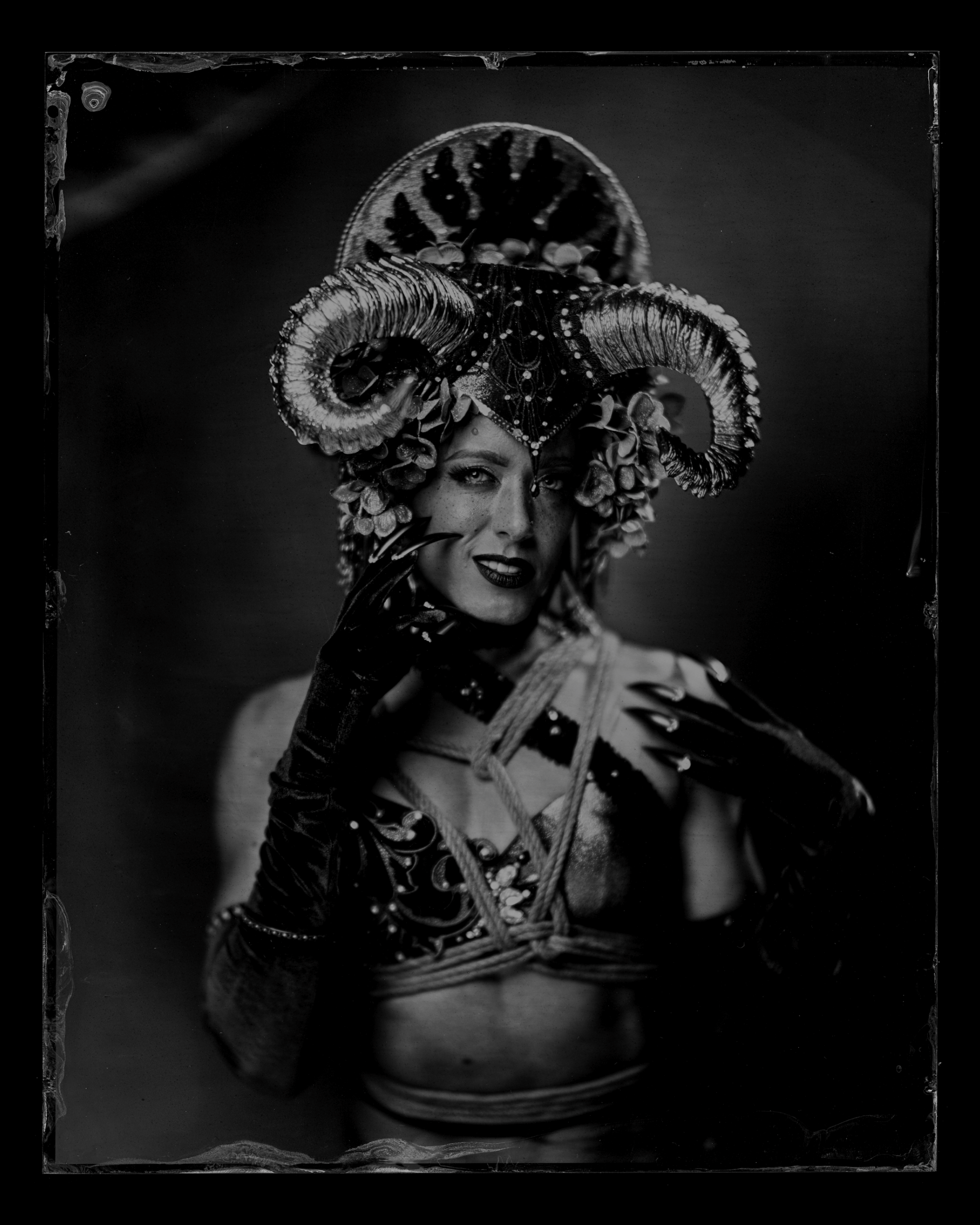
A study of storytelling through knots. Perhaps? Perhaps knot?
Self Portraits
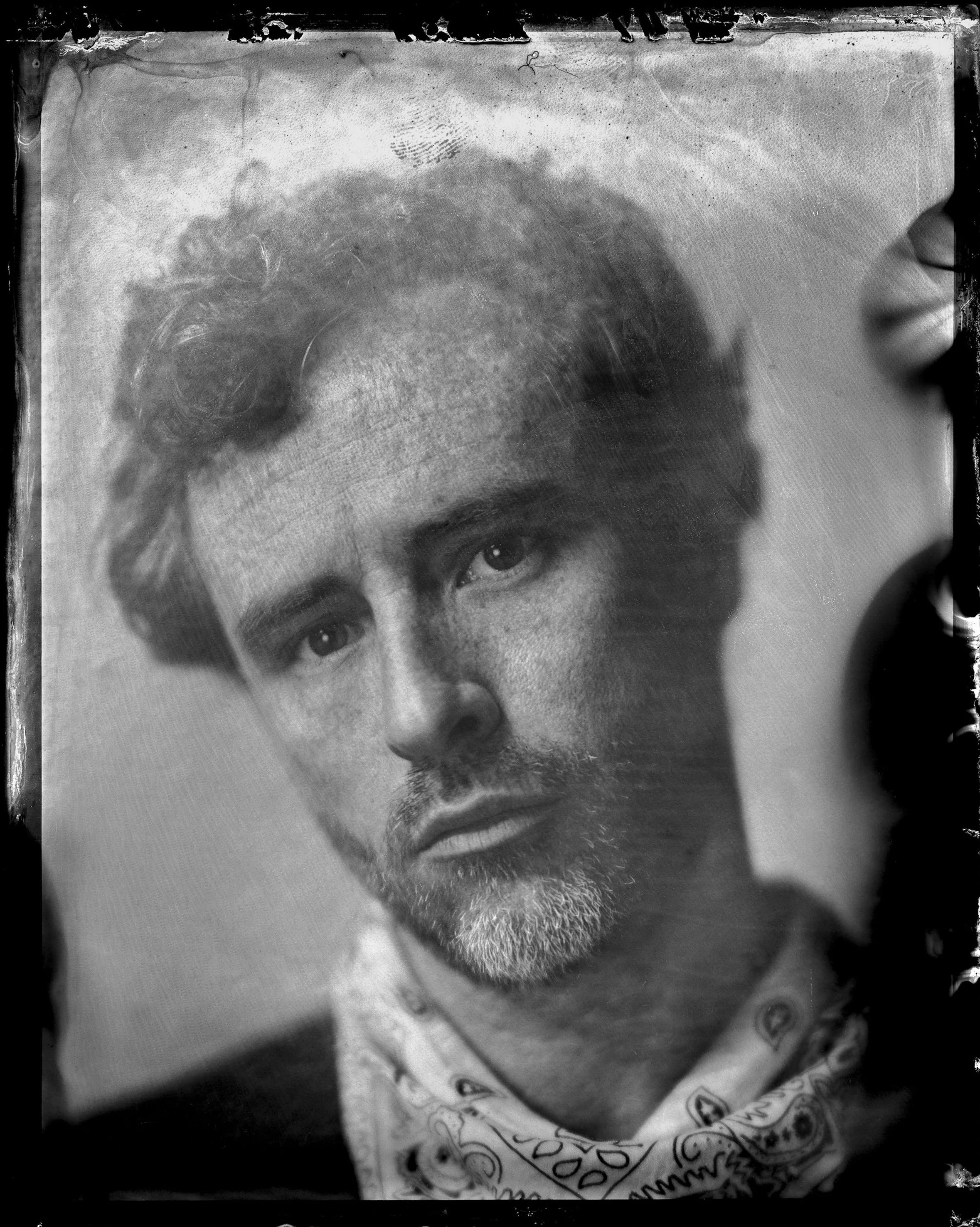
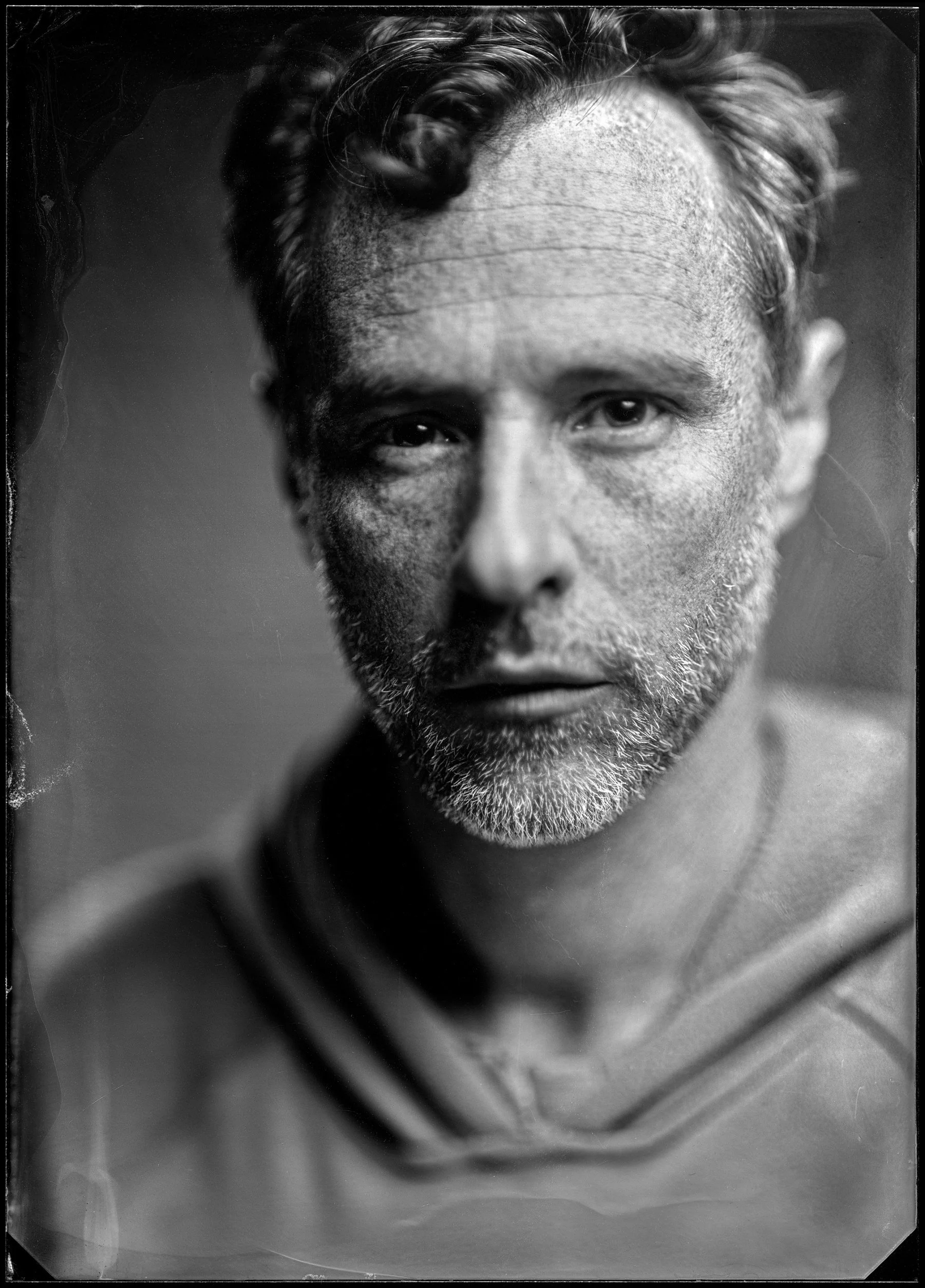
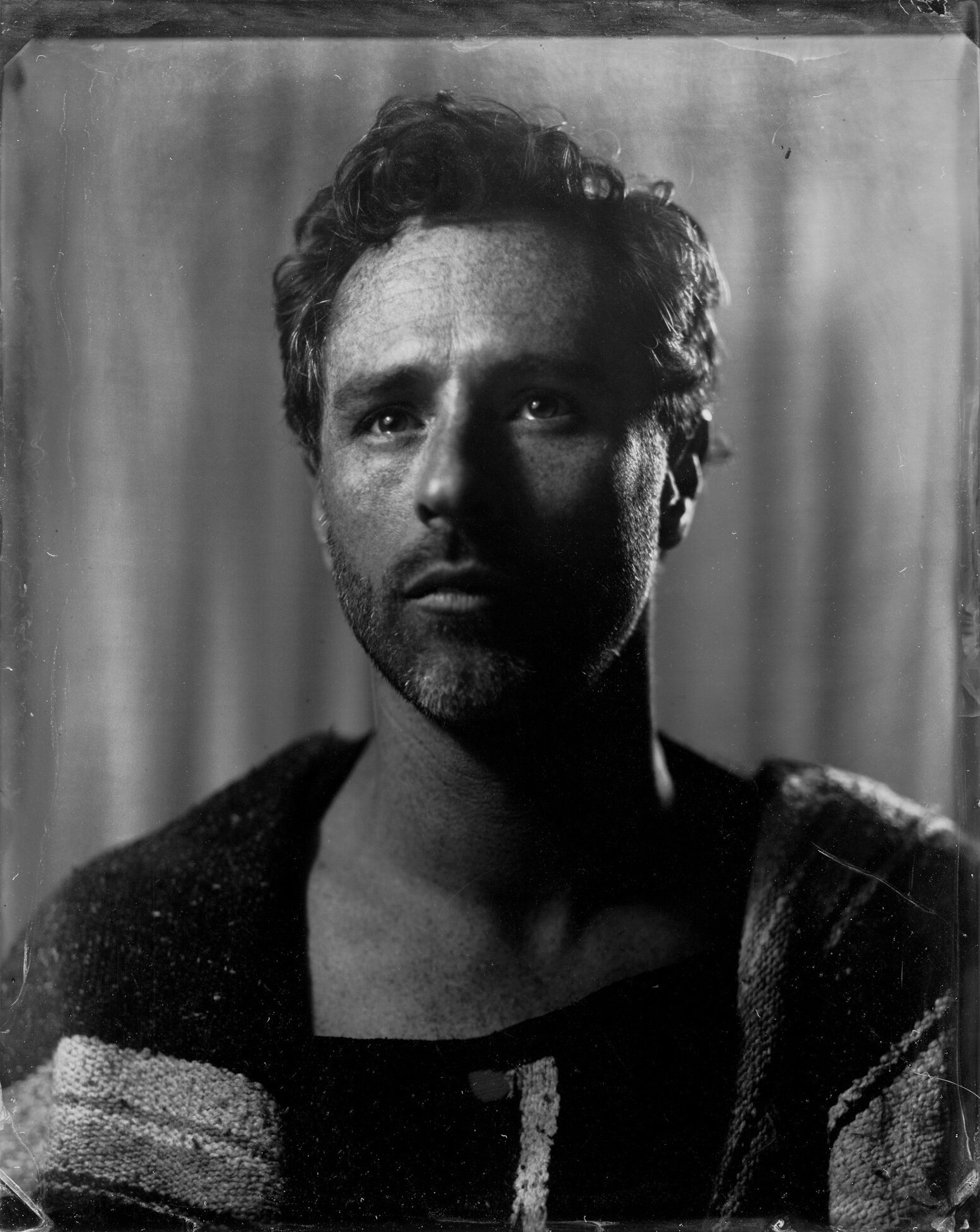
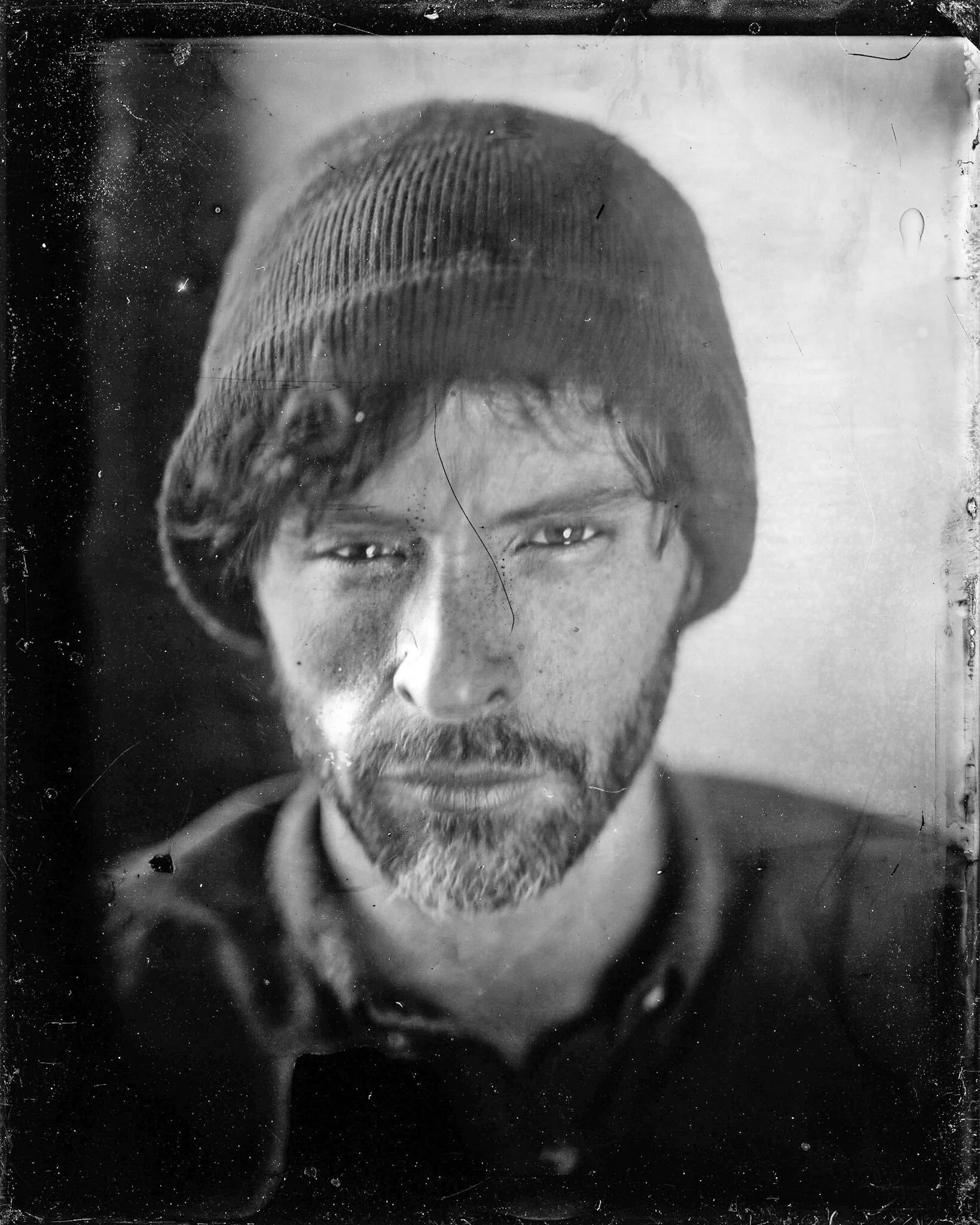
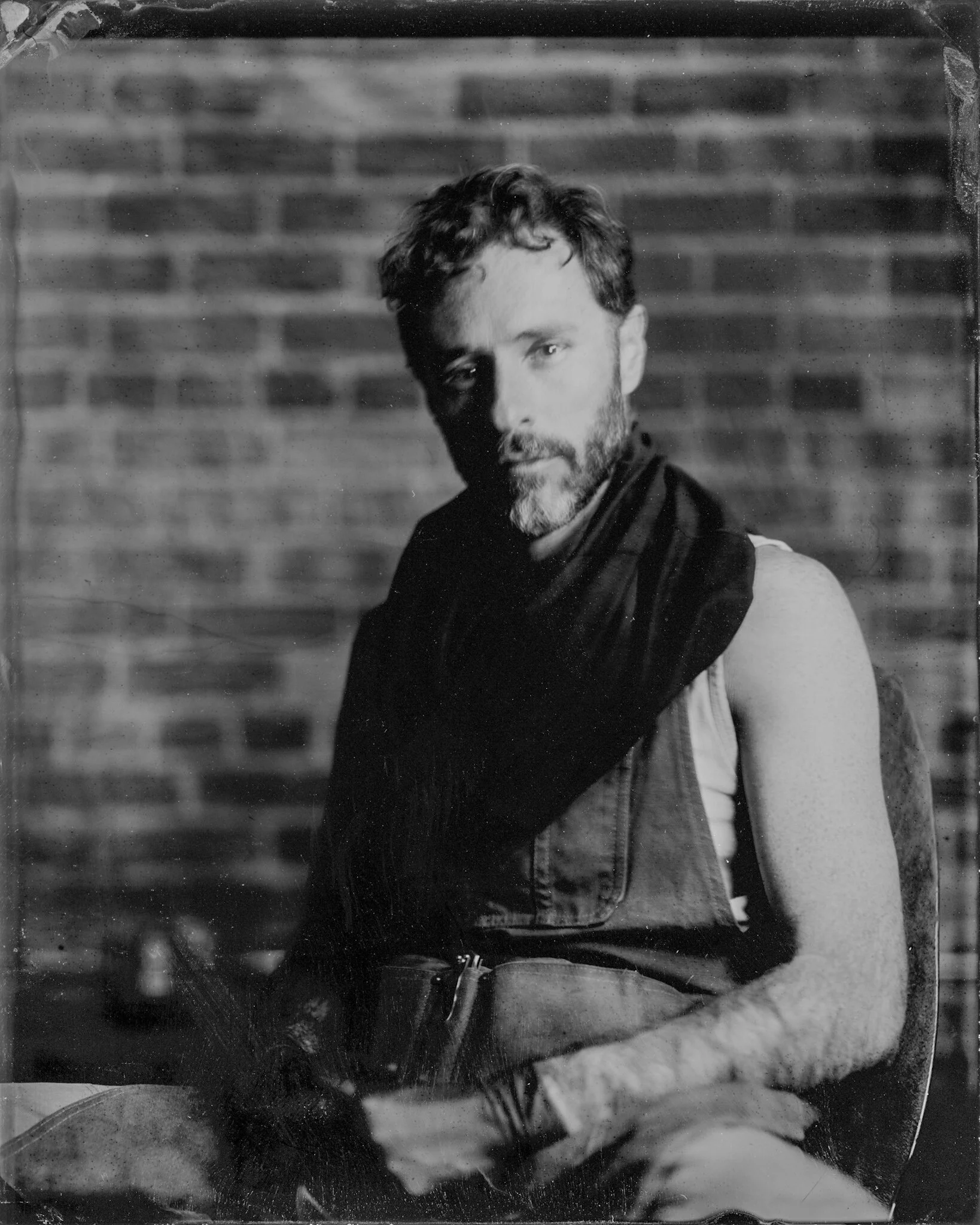
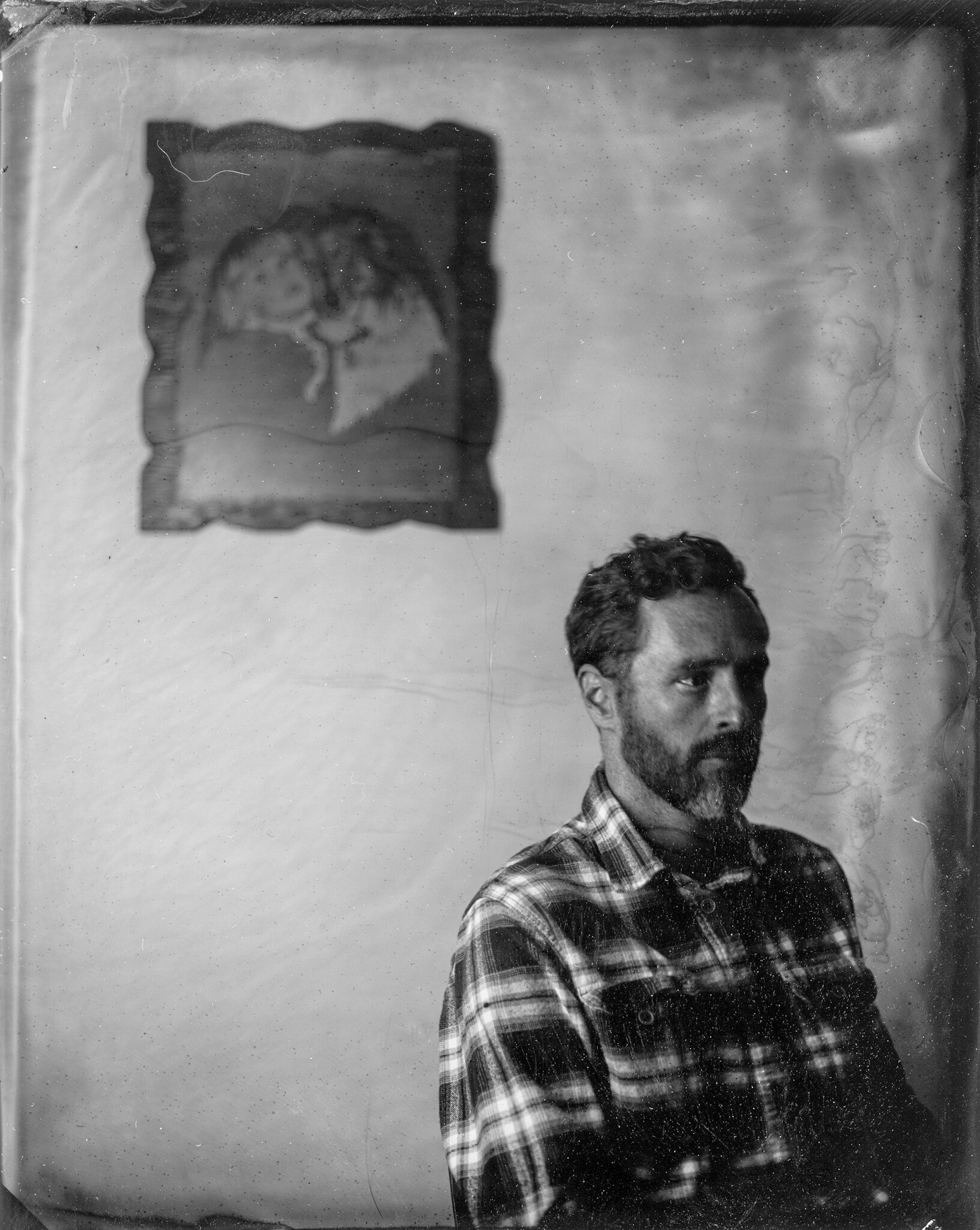
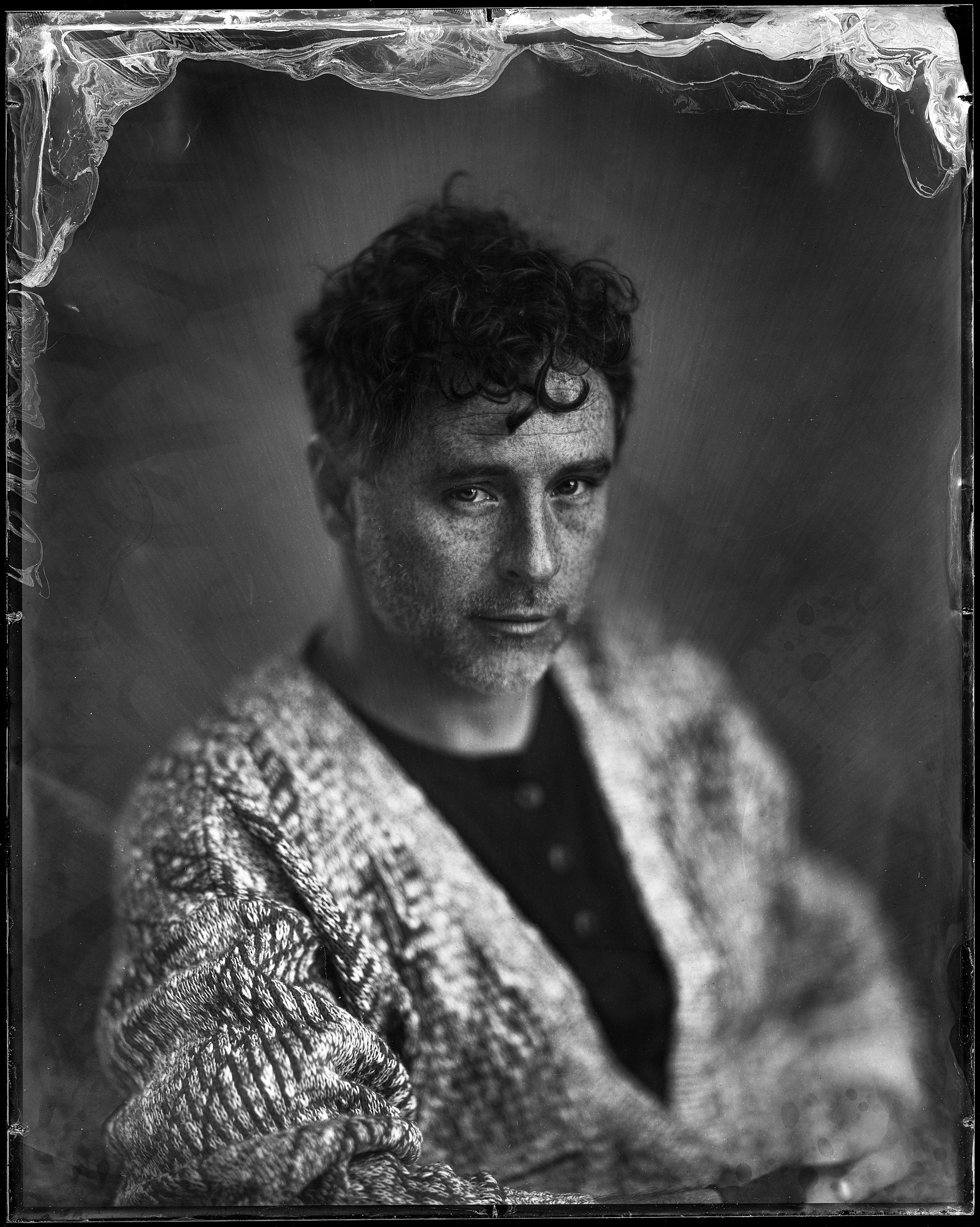
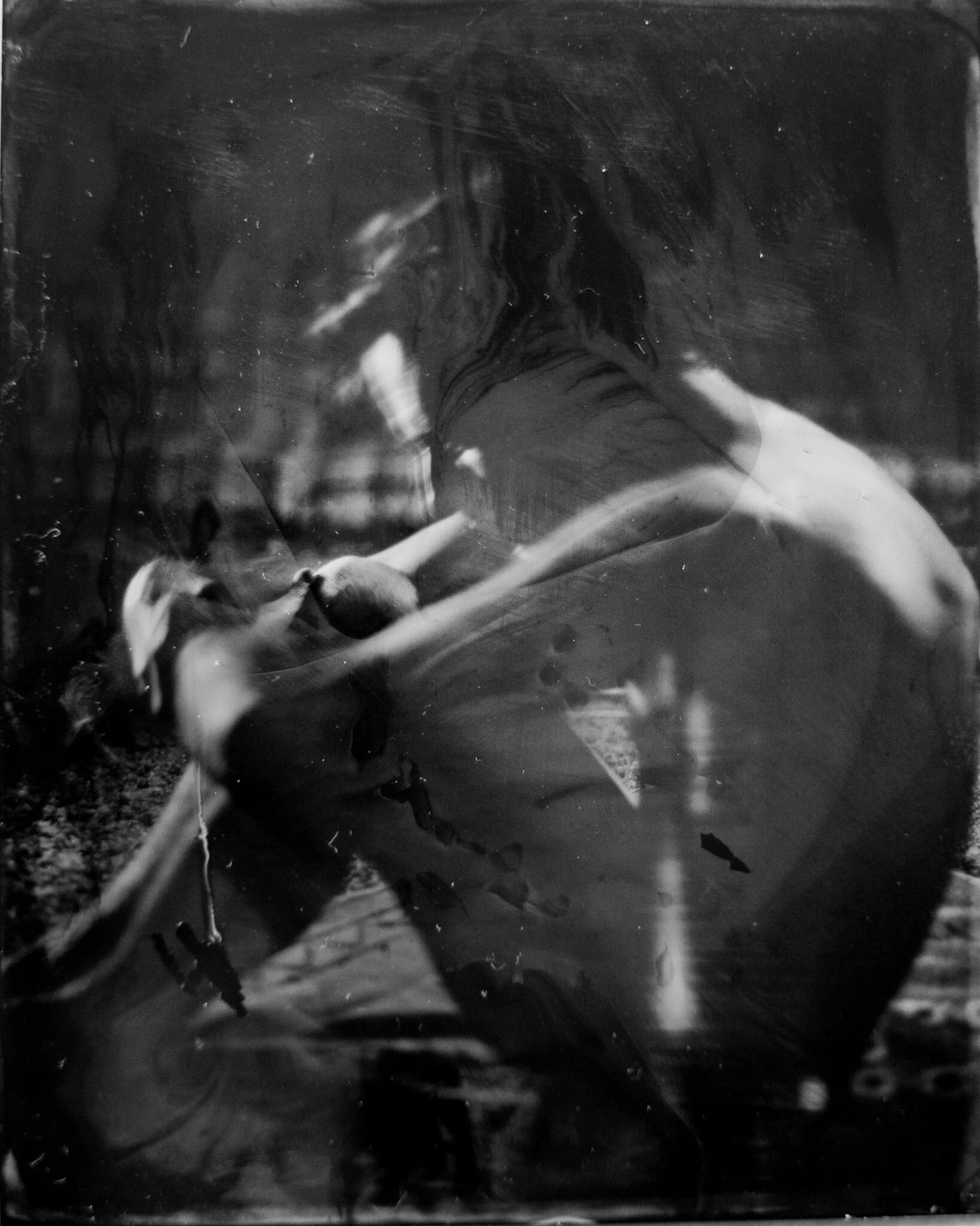
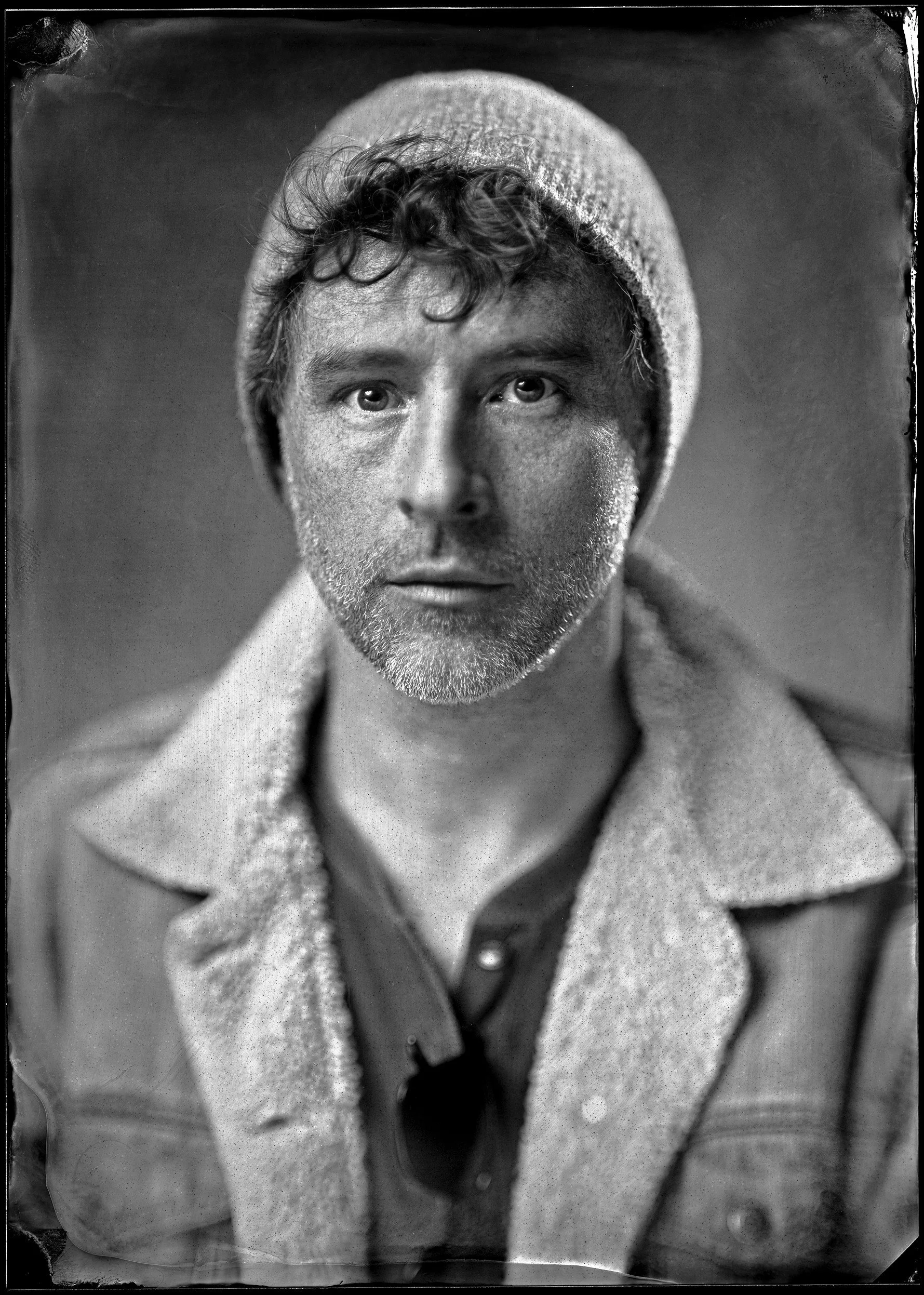
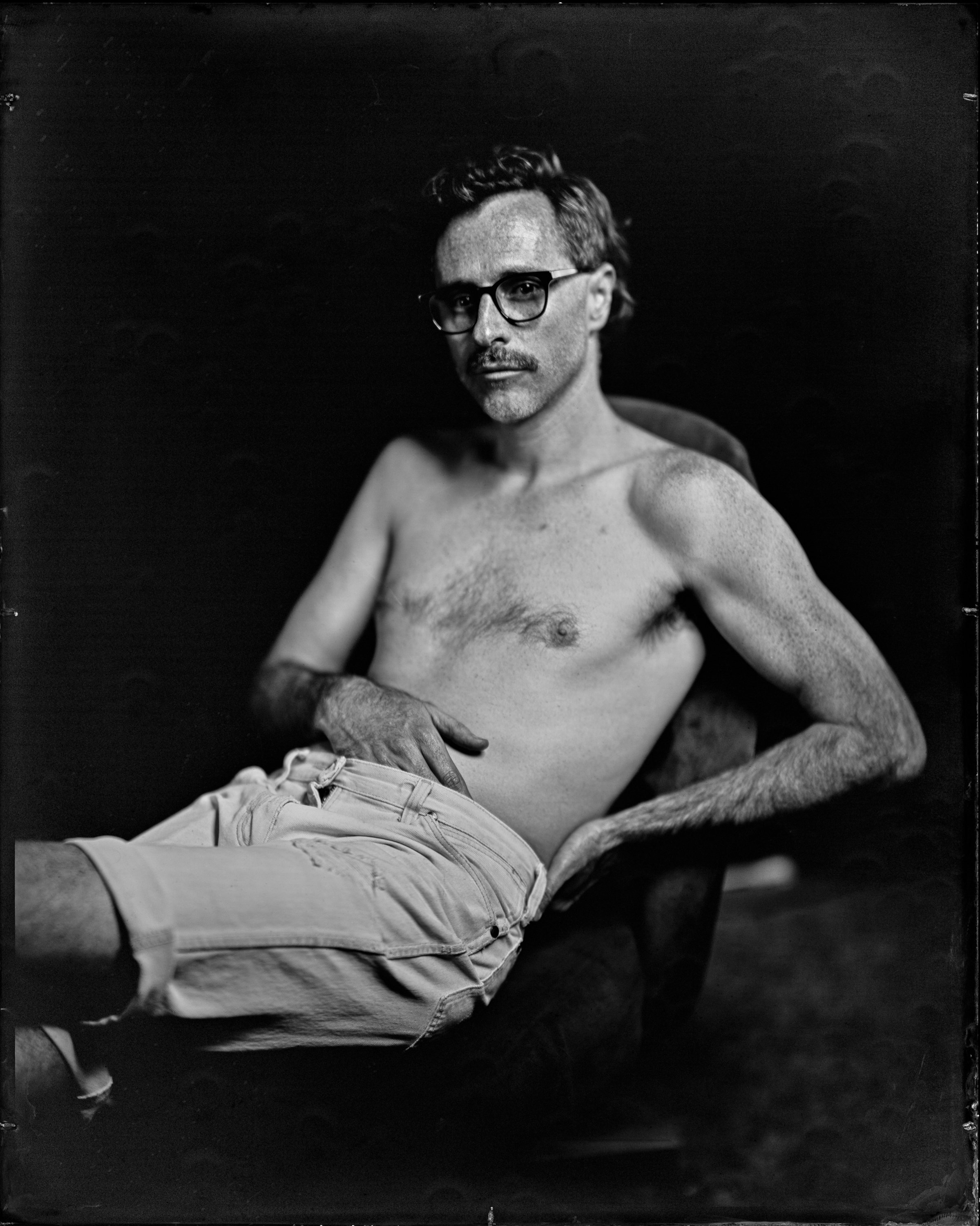
The hardest possible version of this process. Pre-focus the scene, hit the mark exactly, trigger the shutter, and hope. Spanning 2017 to now.
Browse my portfolio
Testimonials
Working with me
Get in touch early. Wet plate has real logistical constraints — light, water, ventilation, temperature — and the earlier I see the brief, the more I can do with it.
What to expect
Sessions run 1.5 to 3 hours depending on how many plates you want.
You watch the plate appear — the final stage of development happens in the studio, right in front of you. The darkroom itself stays closed: it is small, and the chemistry is not something to stand next to.
You keep the actual plate: silver on blackened metal, one of a kind, with no negative.
Every plate is scanned, and the process is filmed. Digital files and video are available as an add-on.
Plates are varnished with a traditional lavender-and-sandarac varnish and are archival for well over a century.