
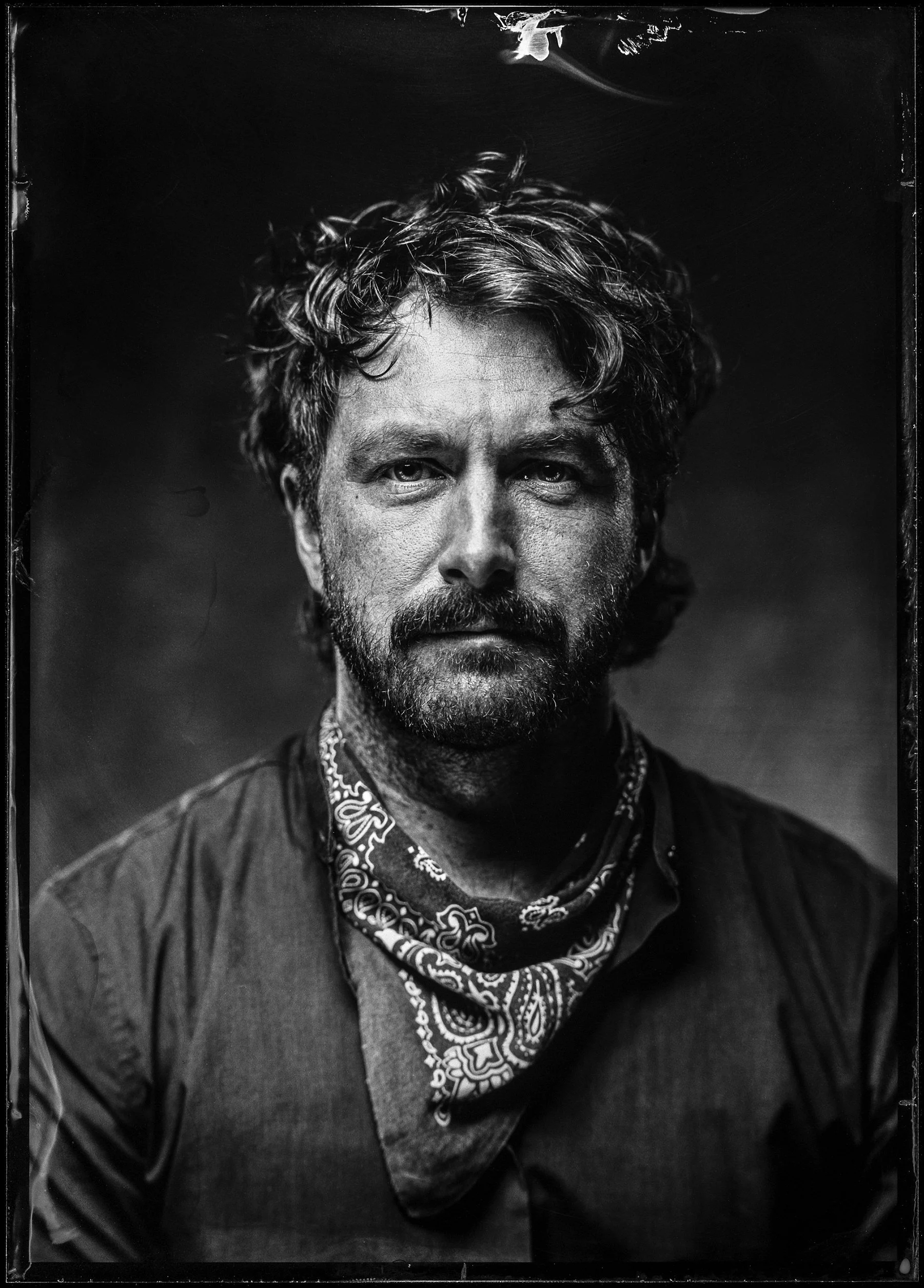
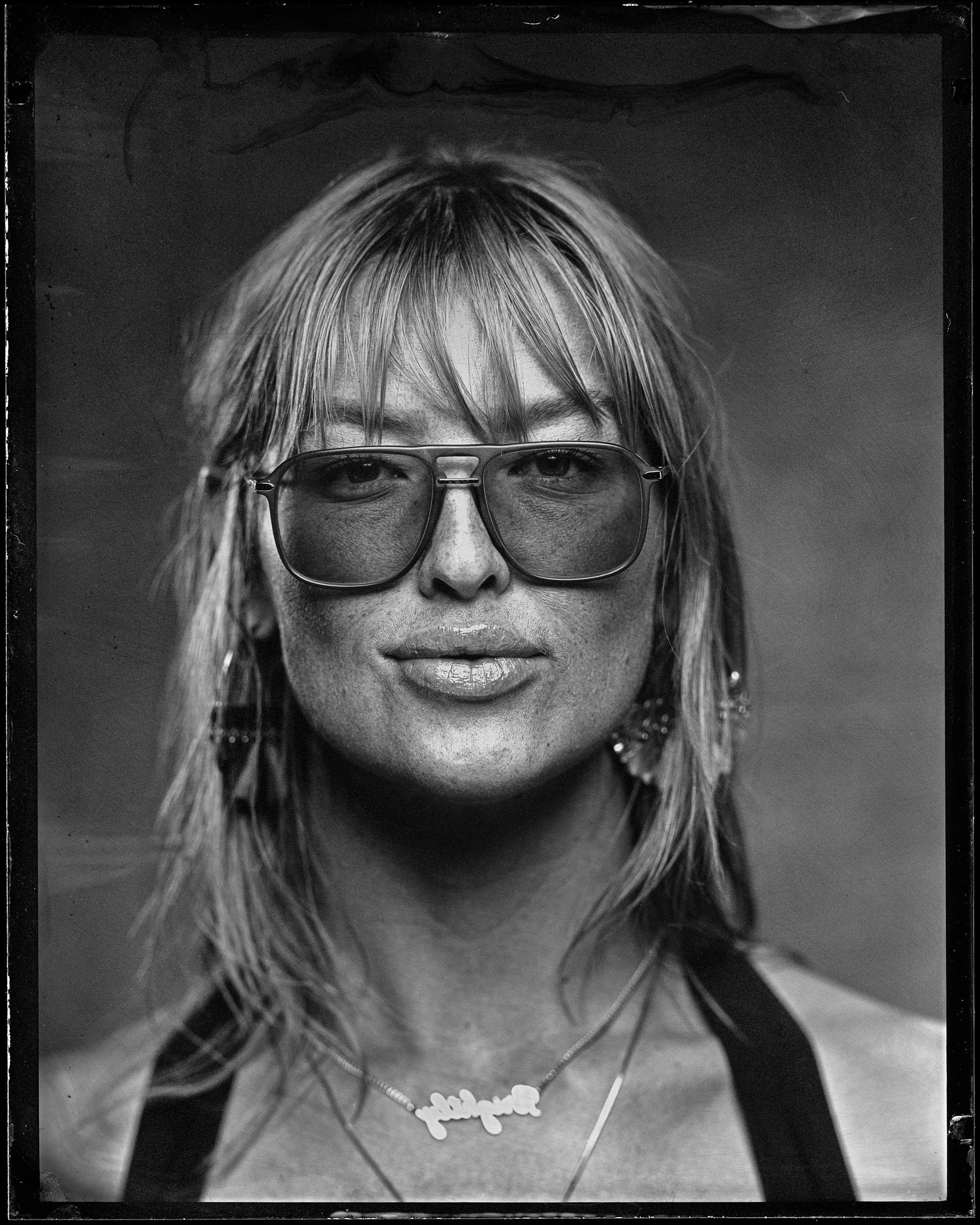
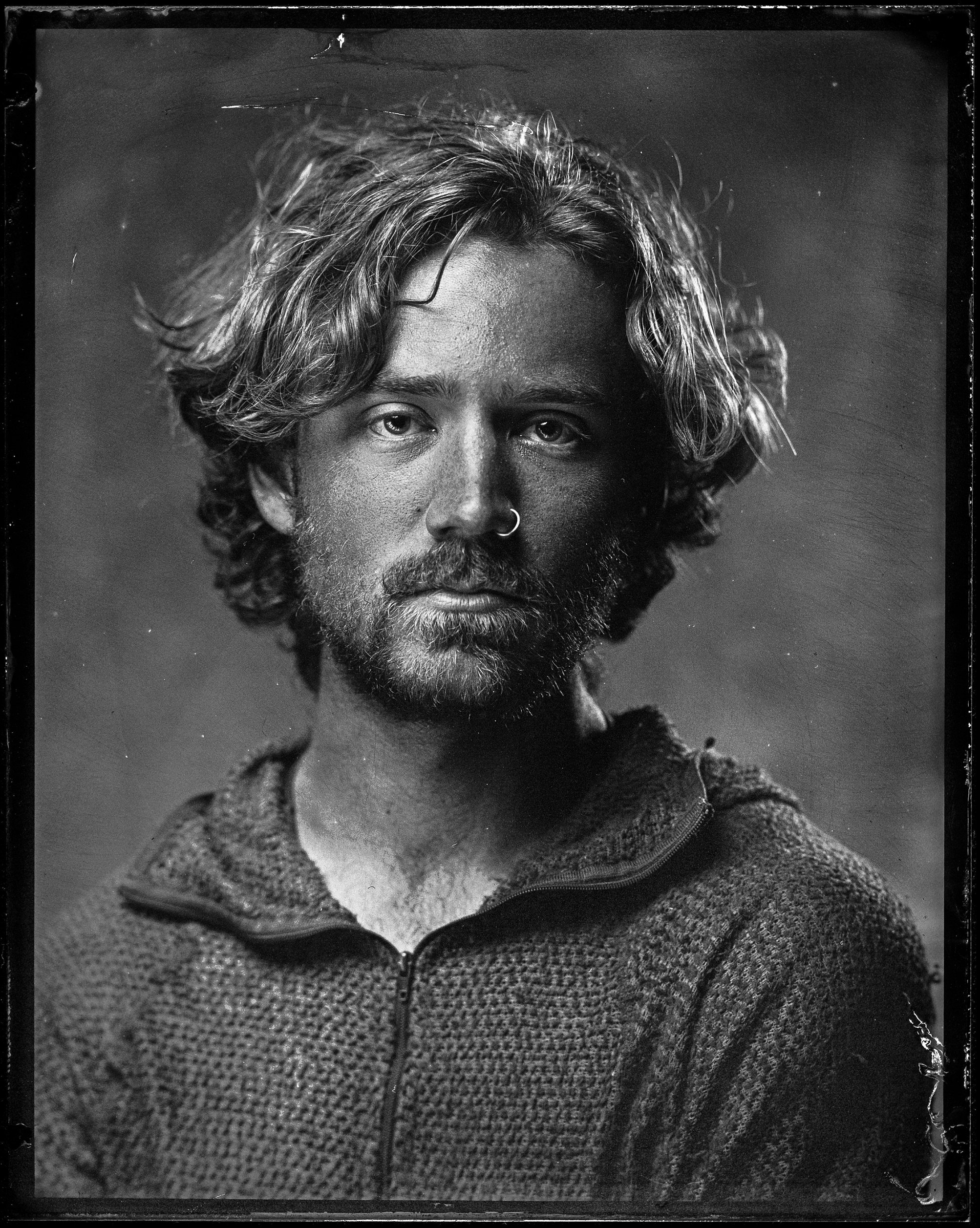
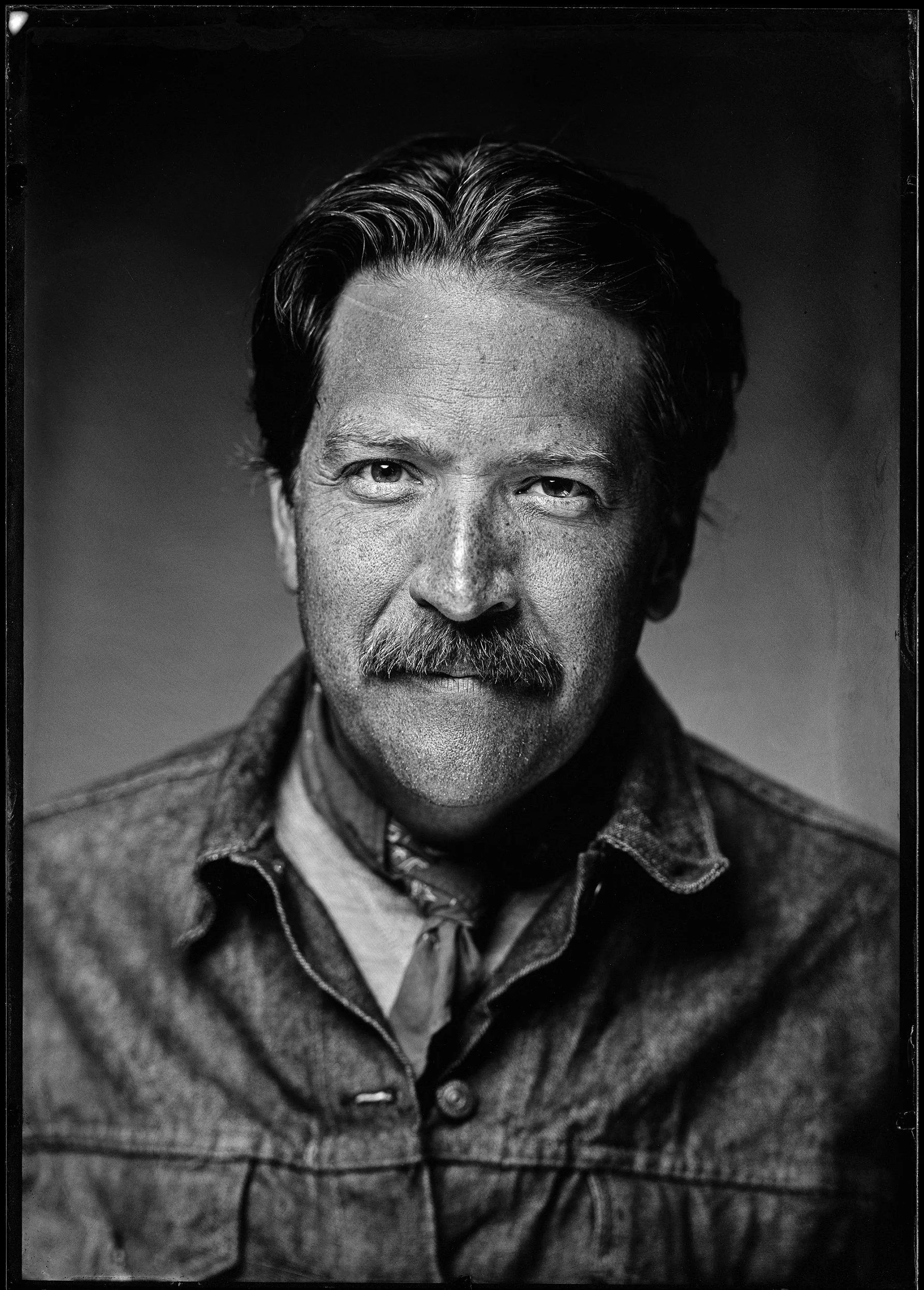
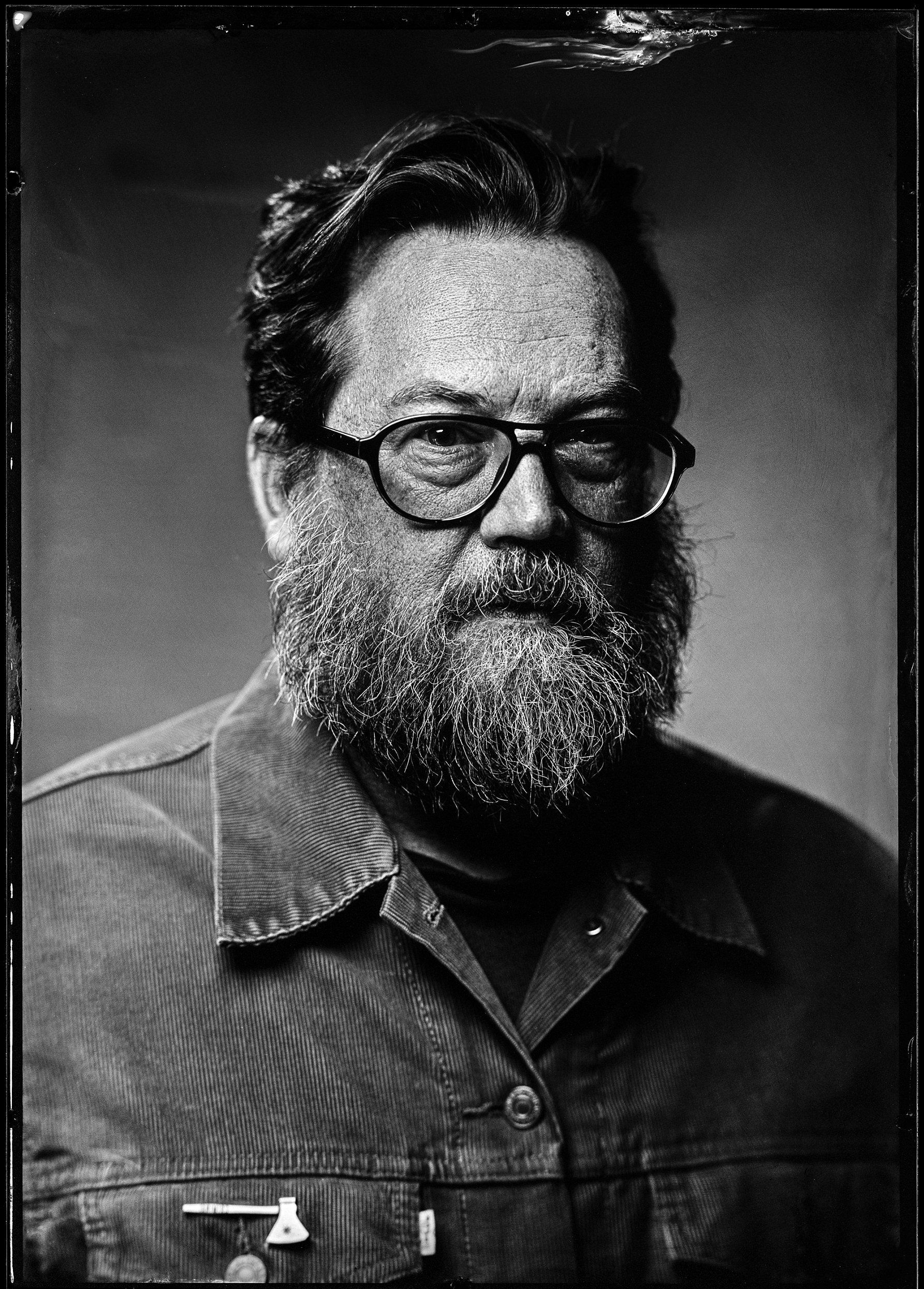
A headshot with a story in it. That is the whole distance between this and a grey backdrop.
Creative Tintype Headshots in Salt Lake City, Utah
Every headshot looks like every other headshot. That is the problem this solves.
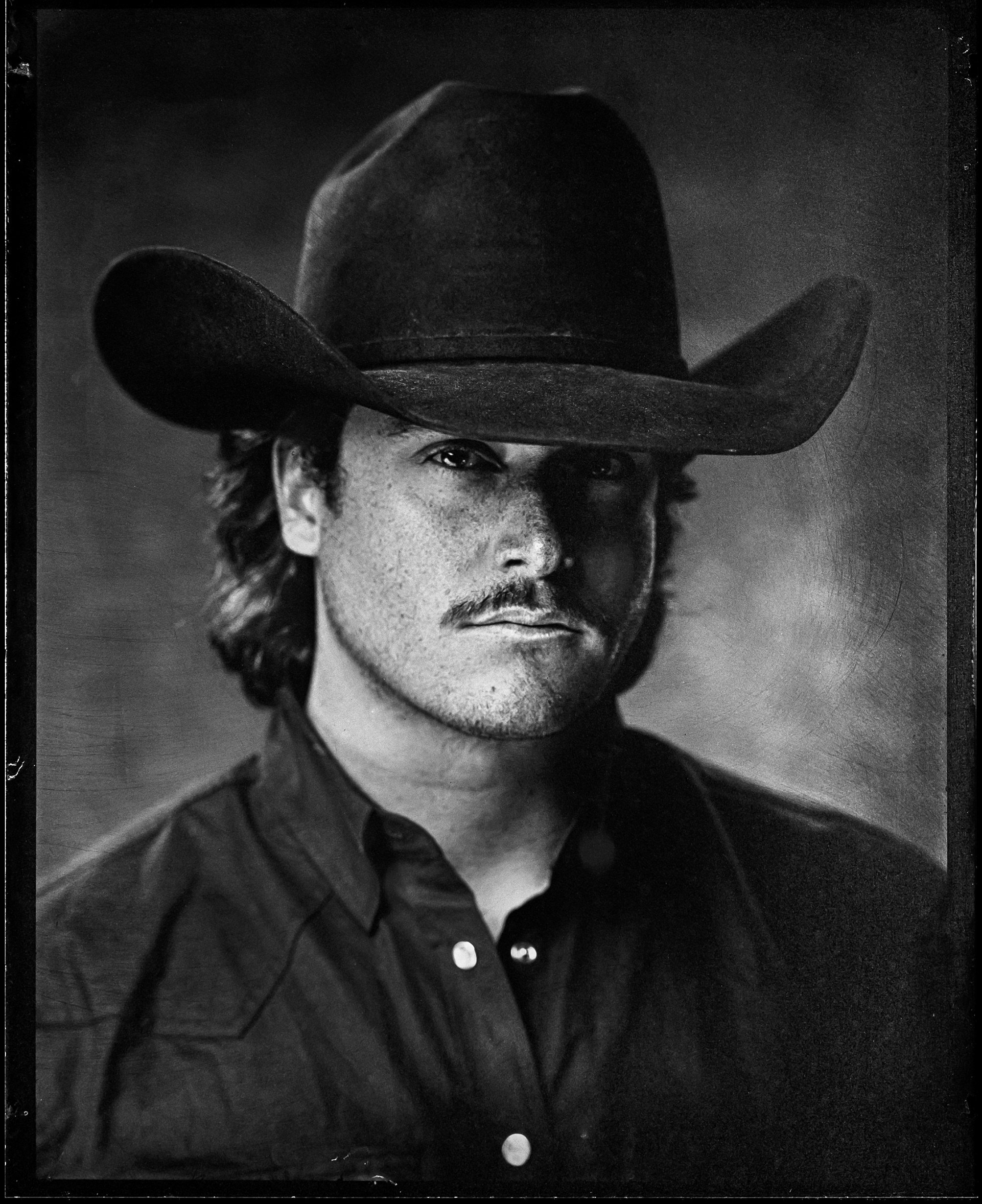
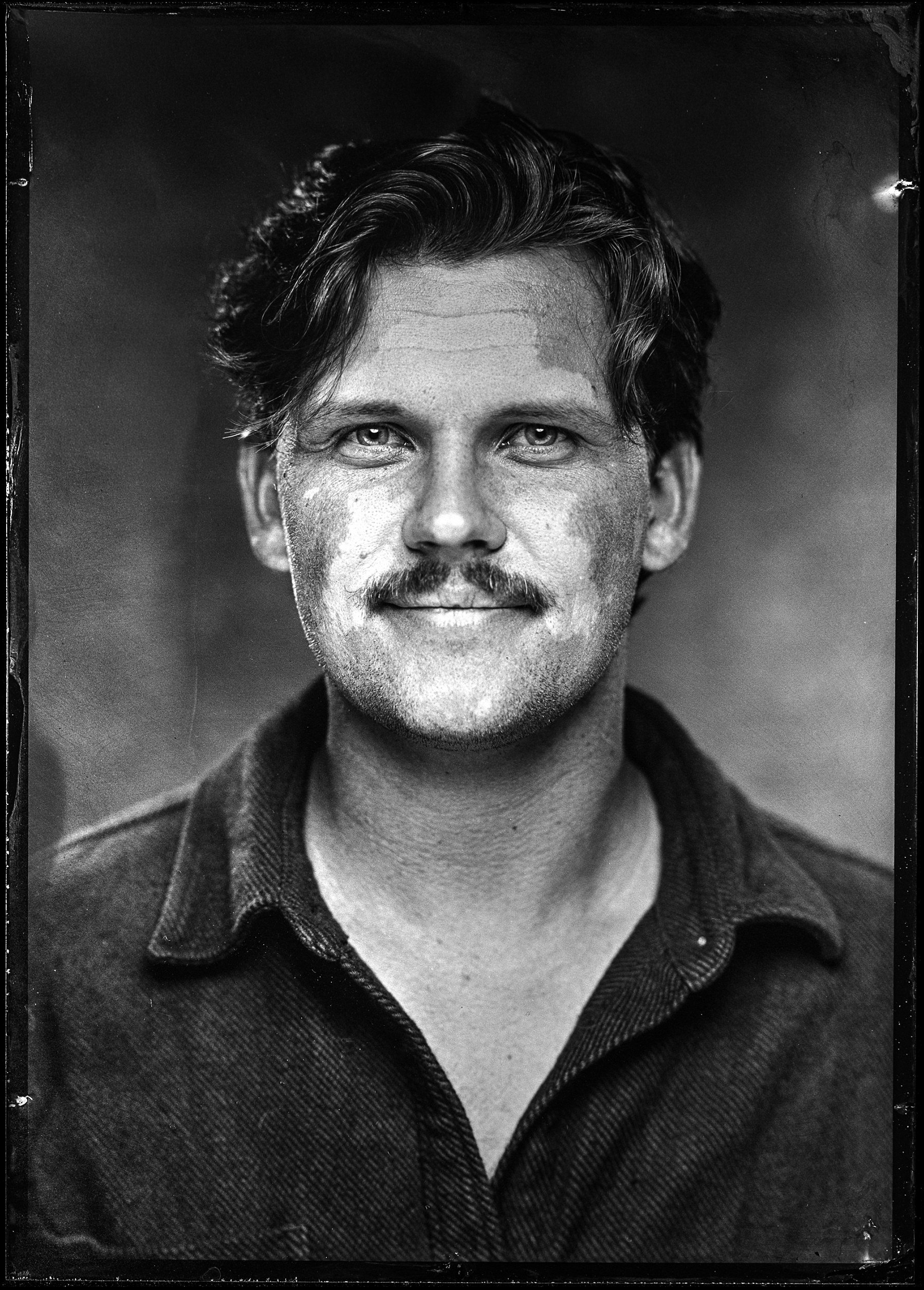
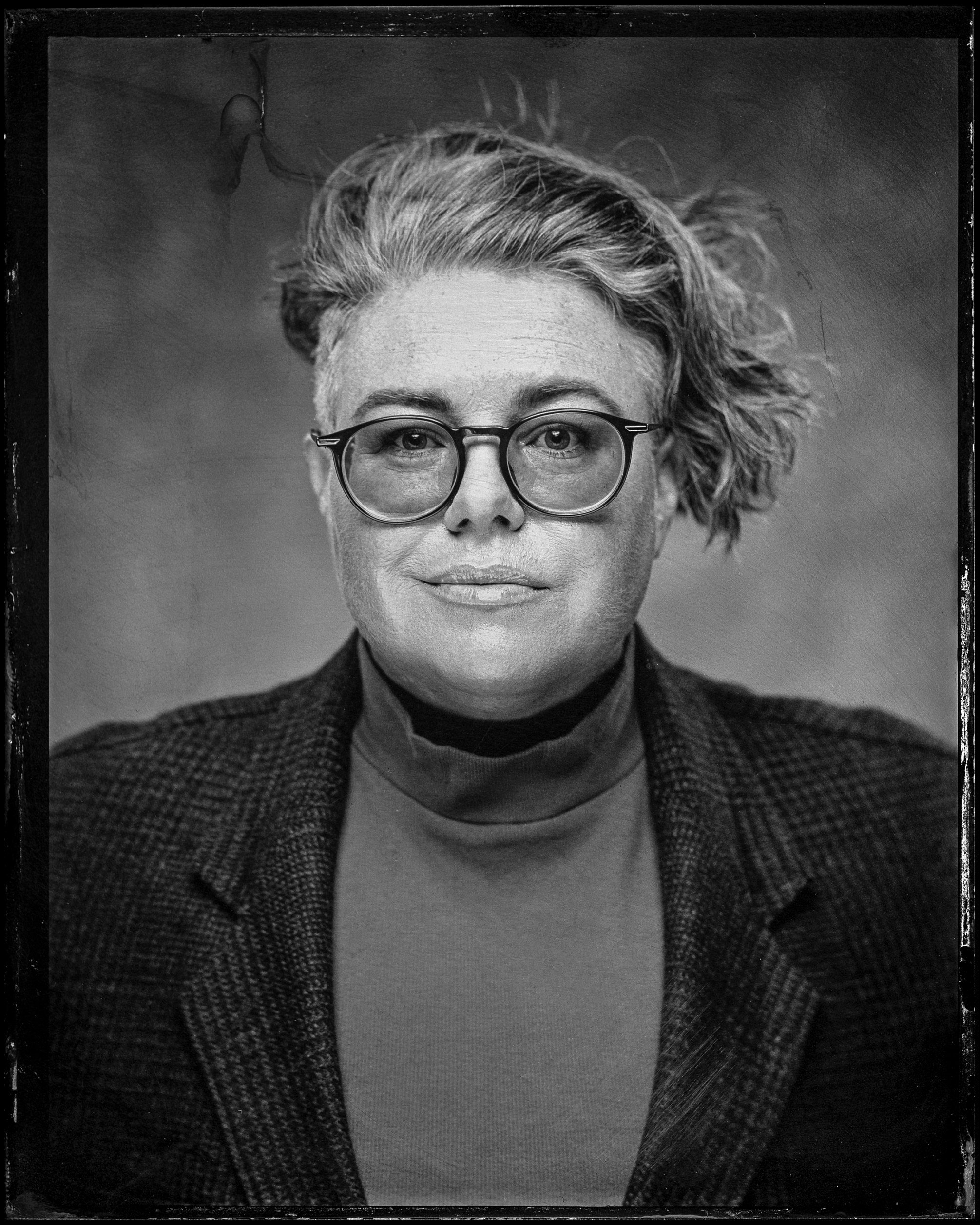
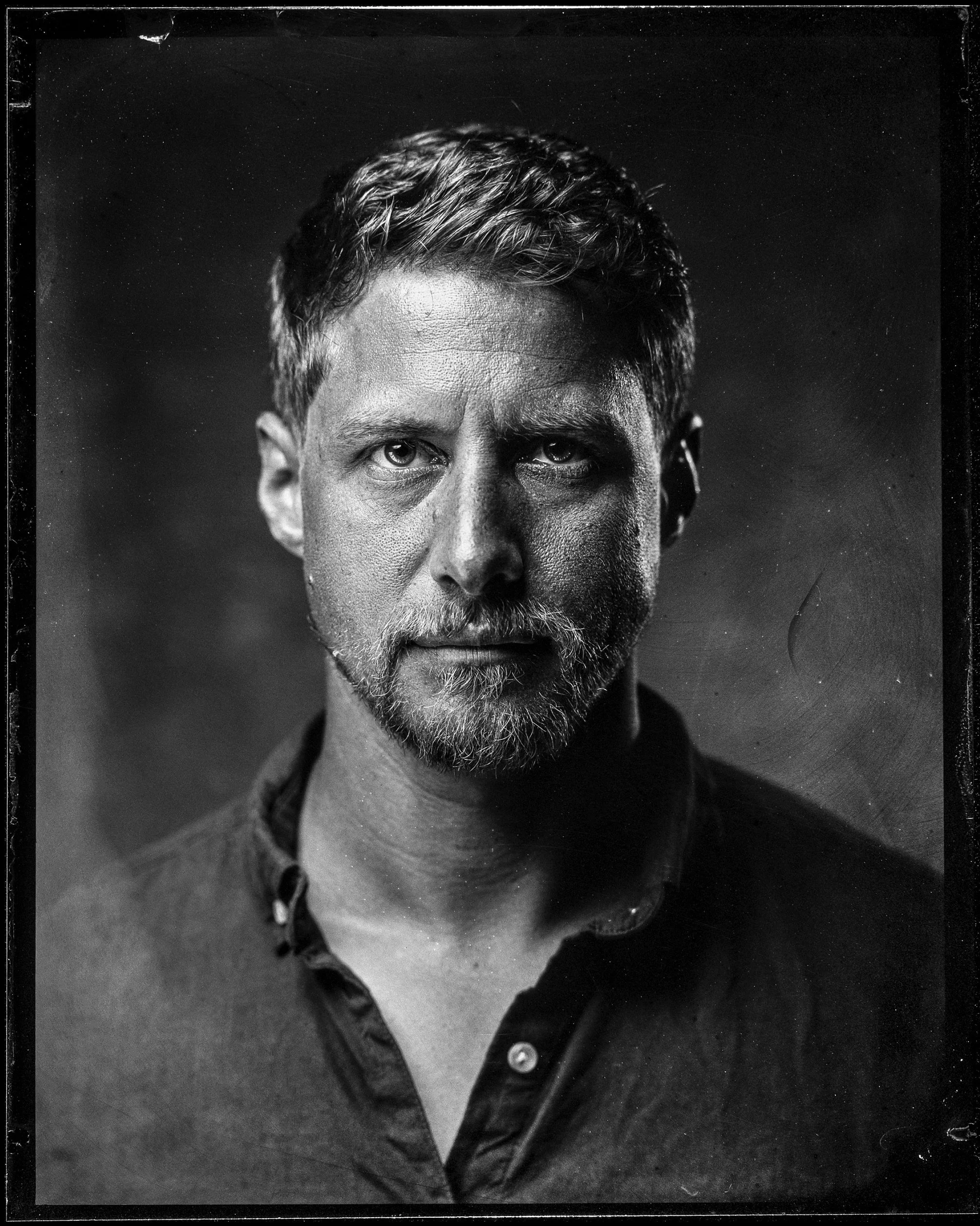
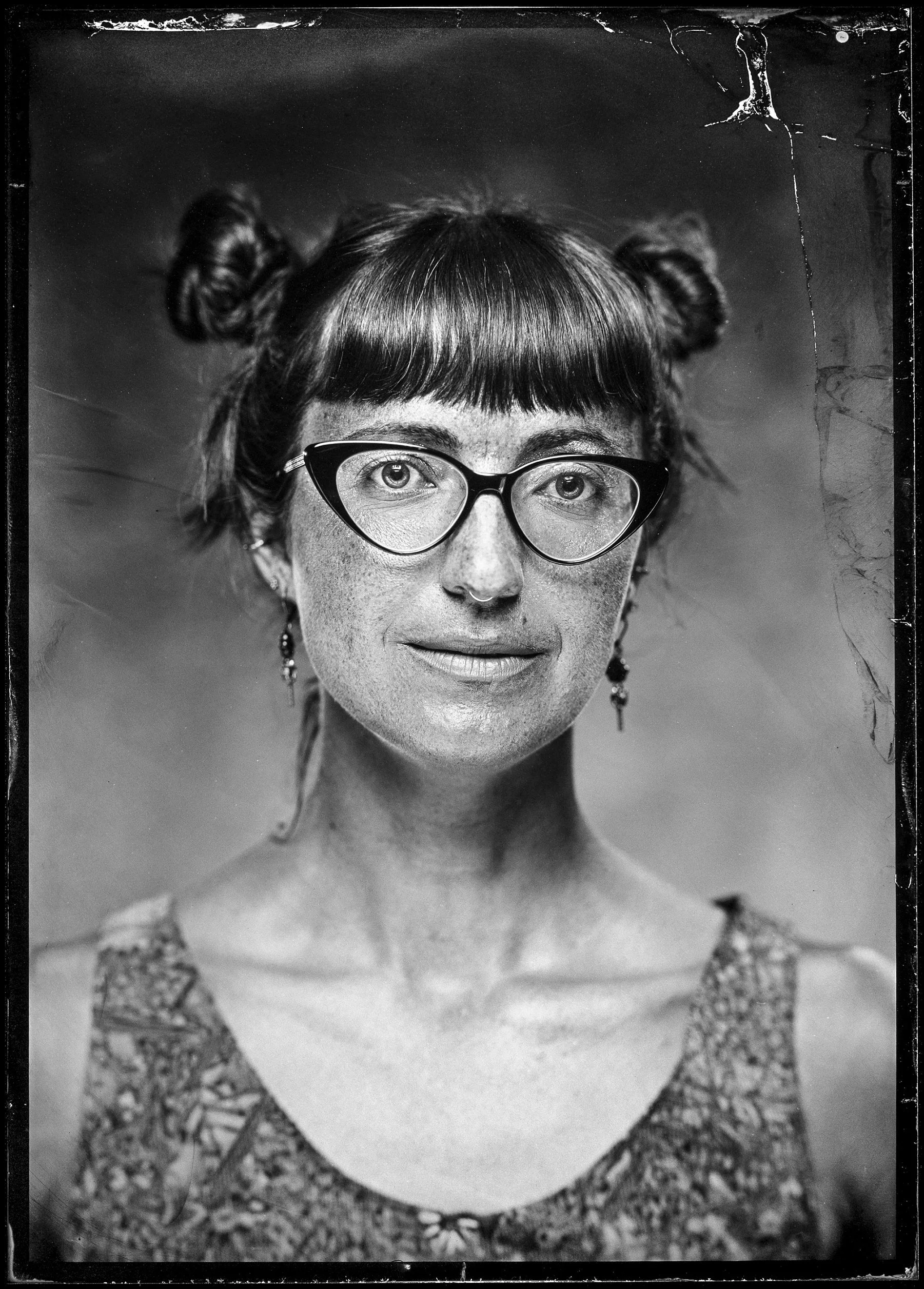
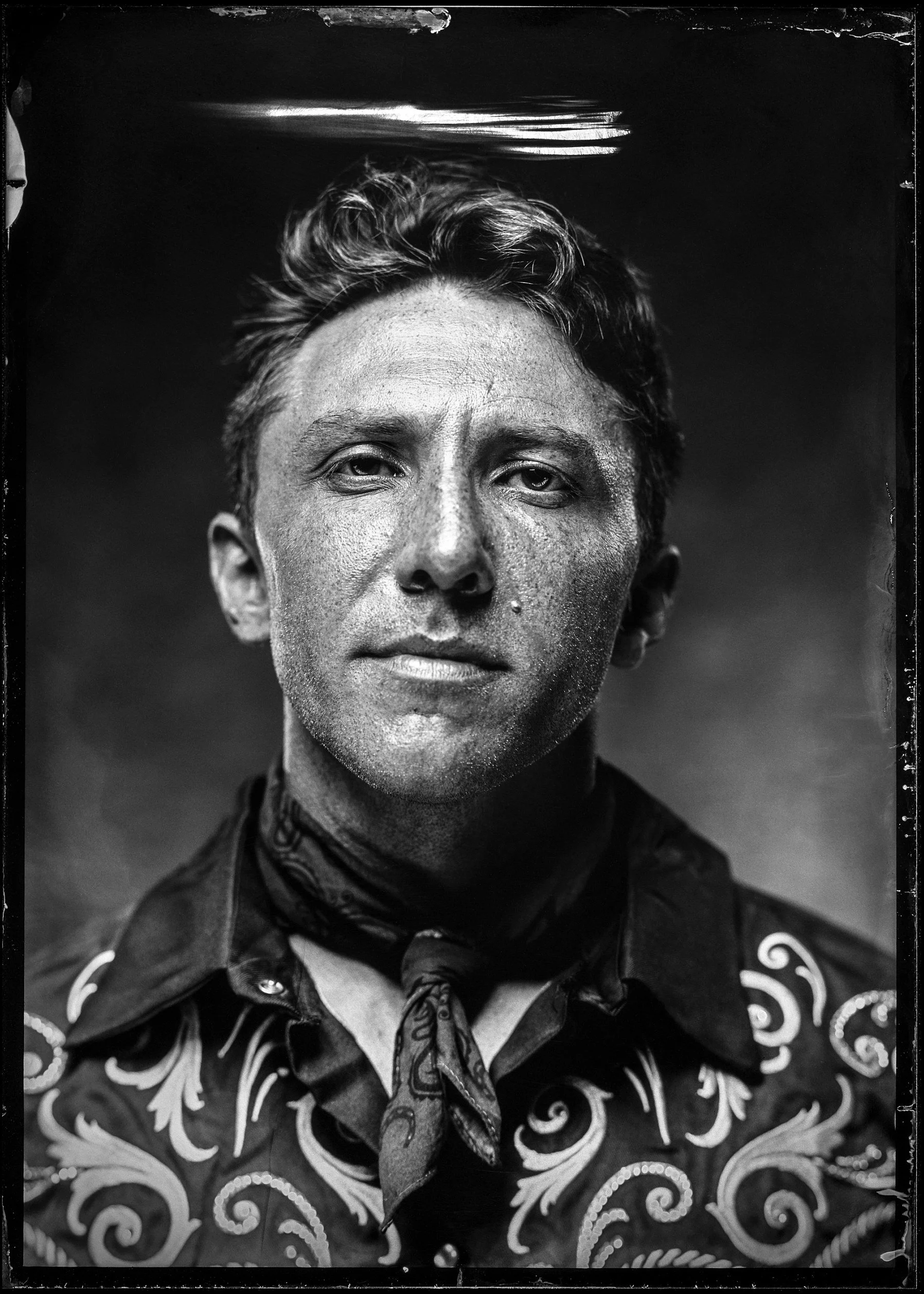
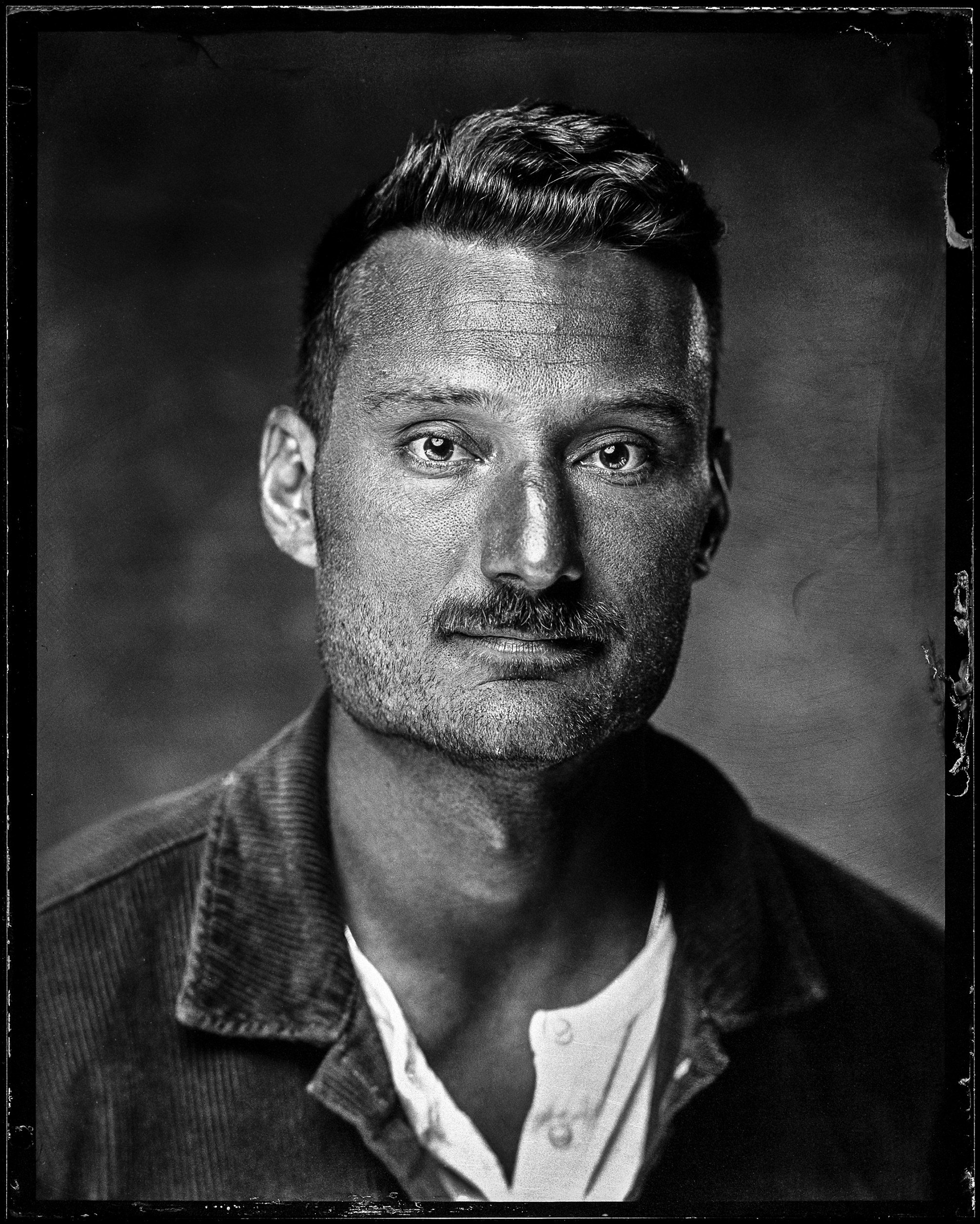
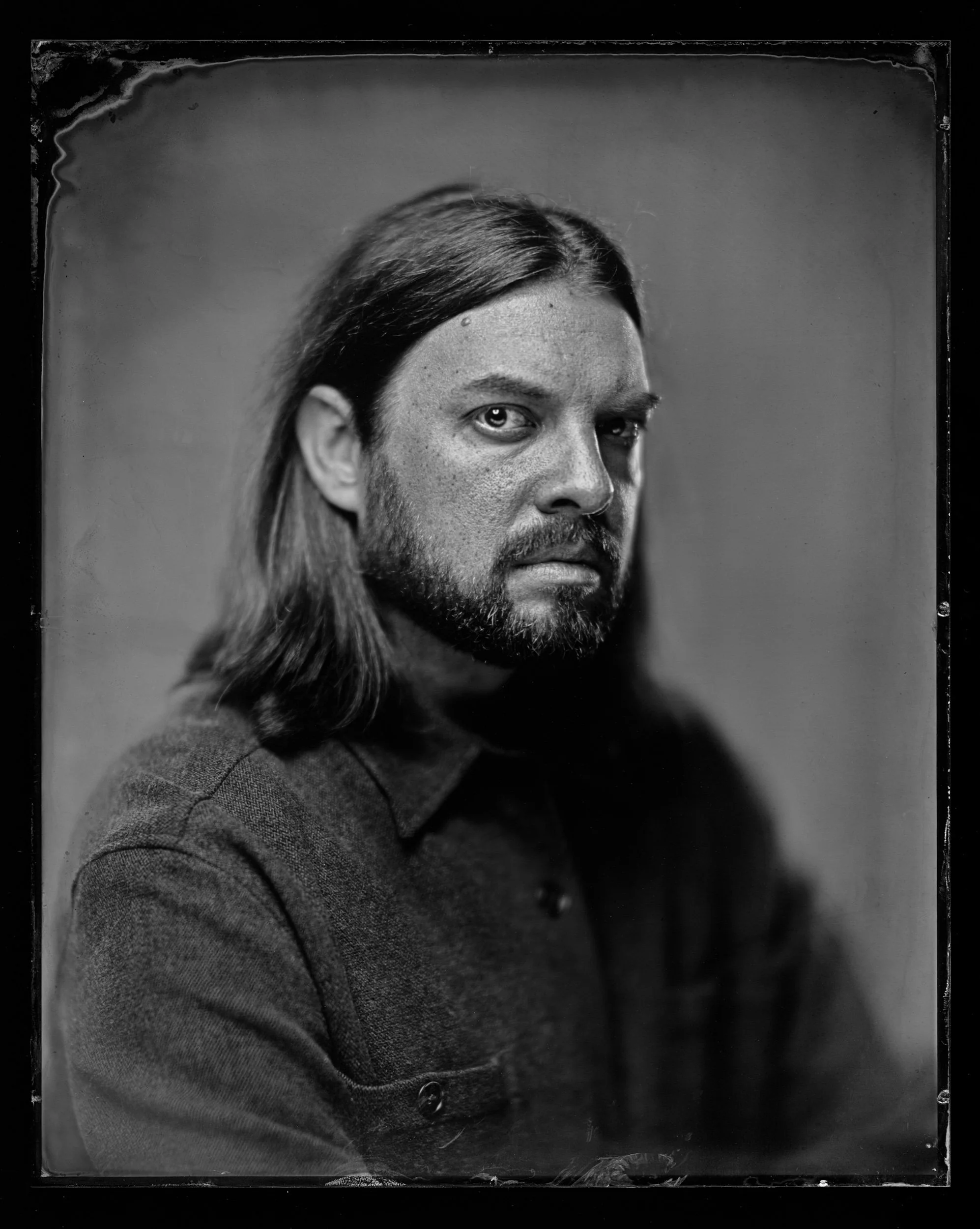
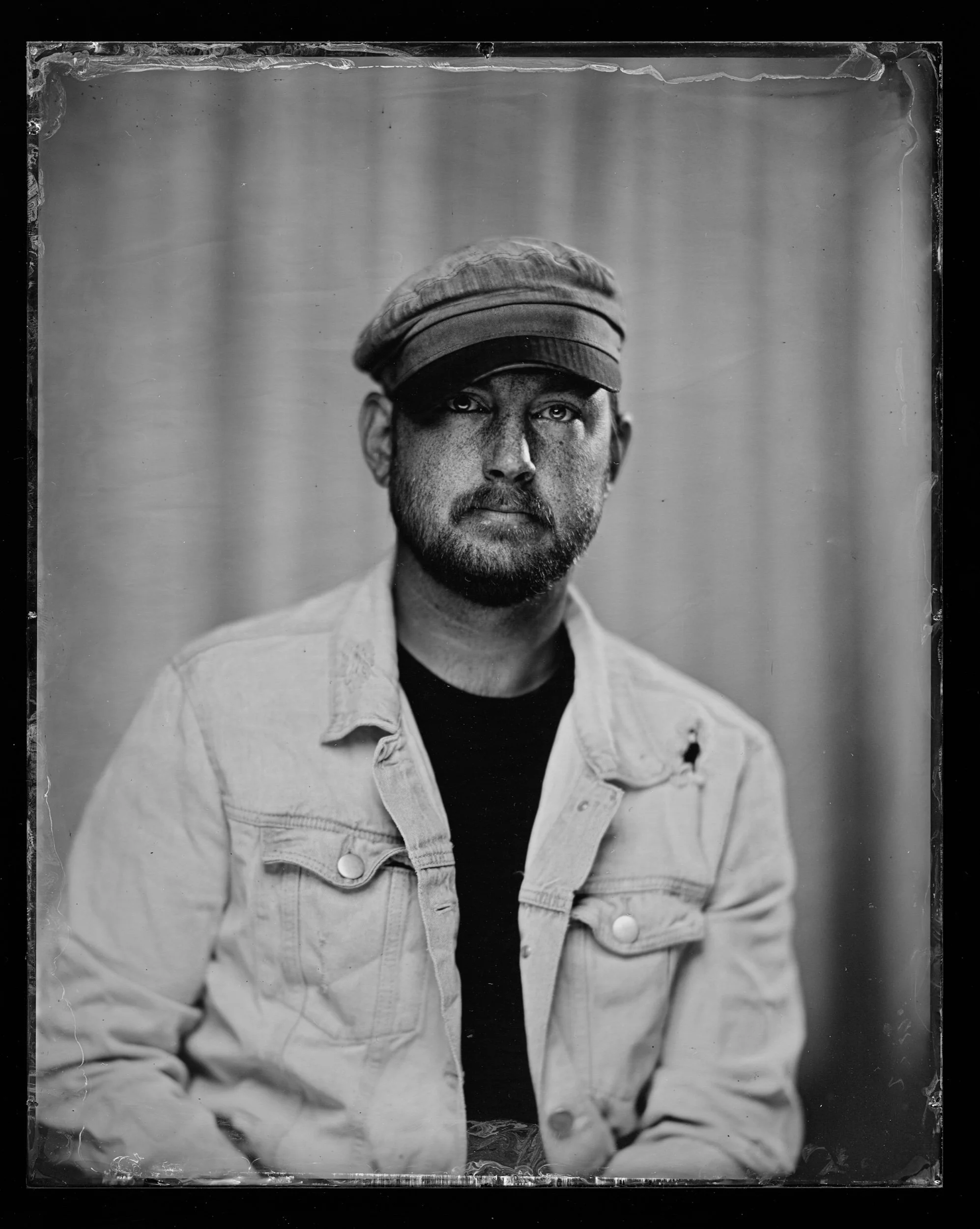
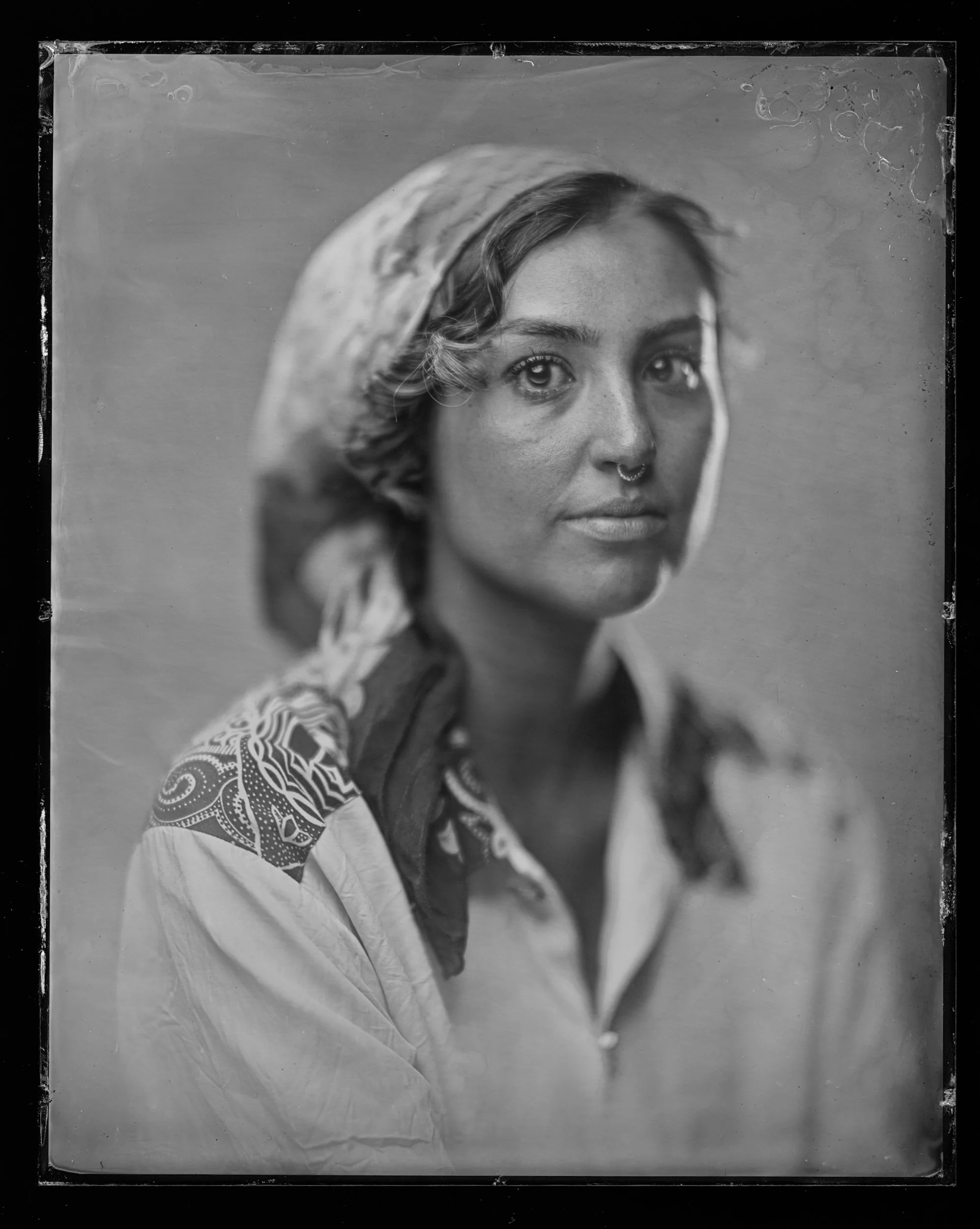
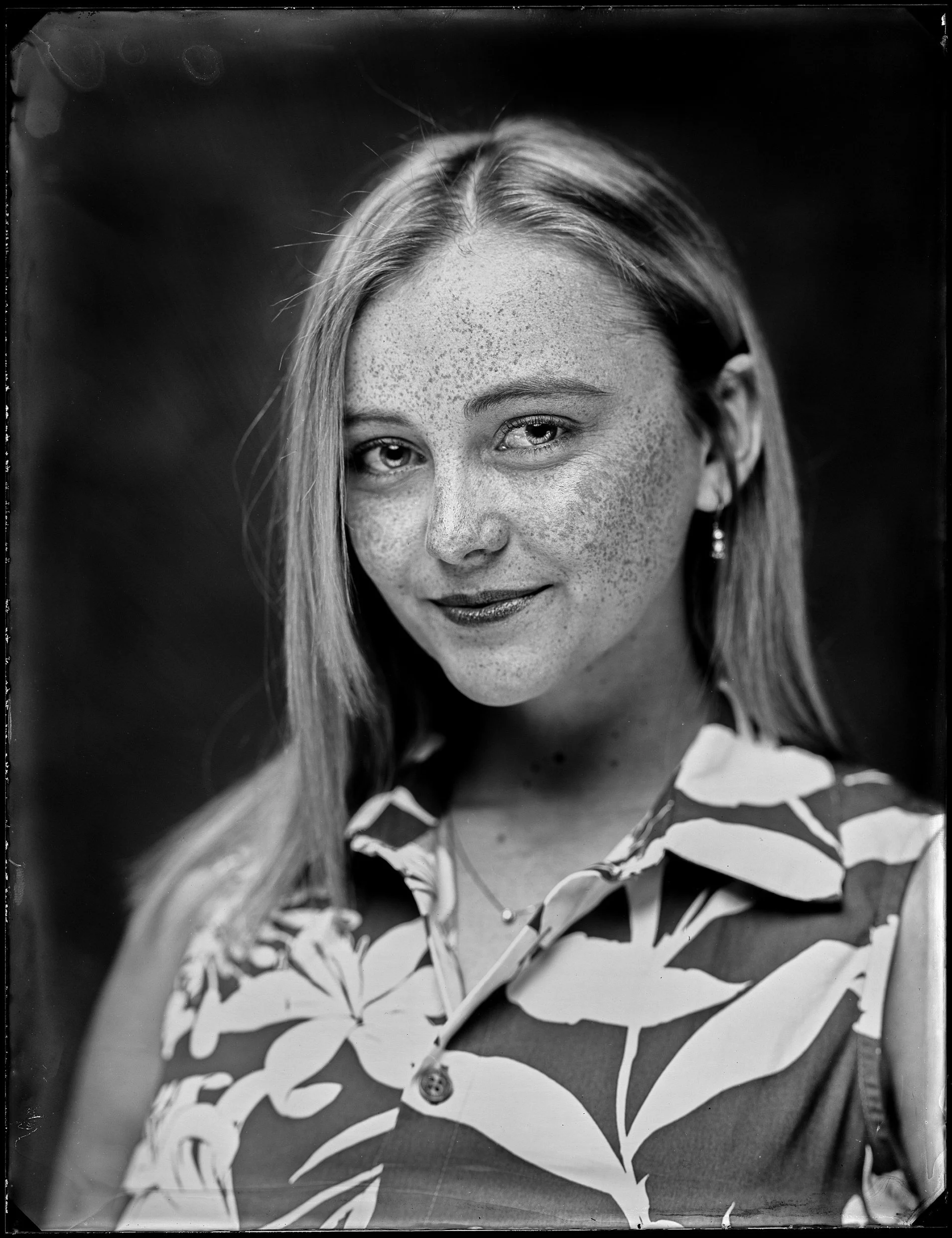
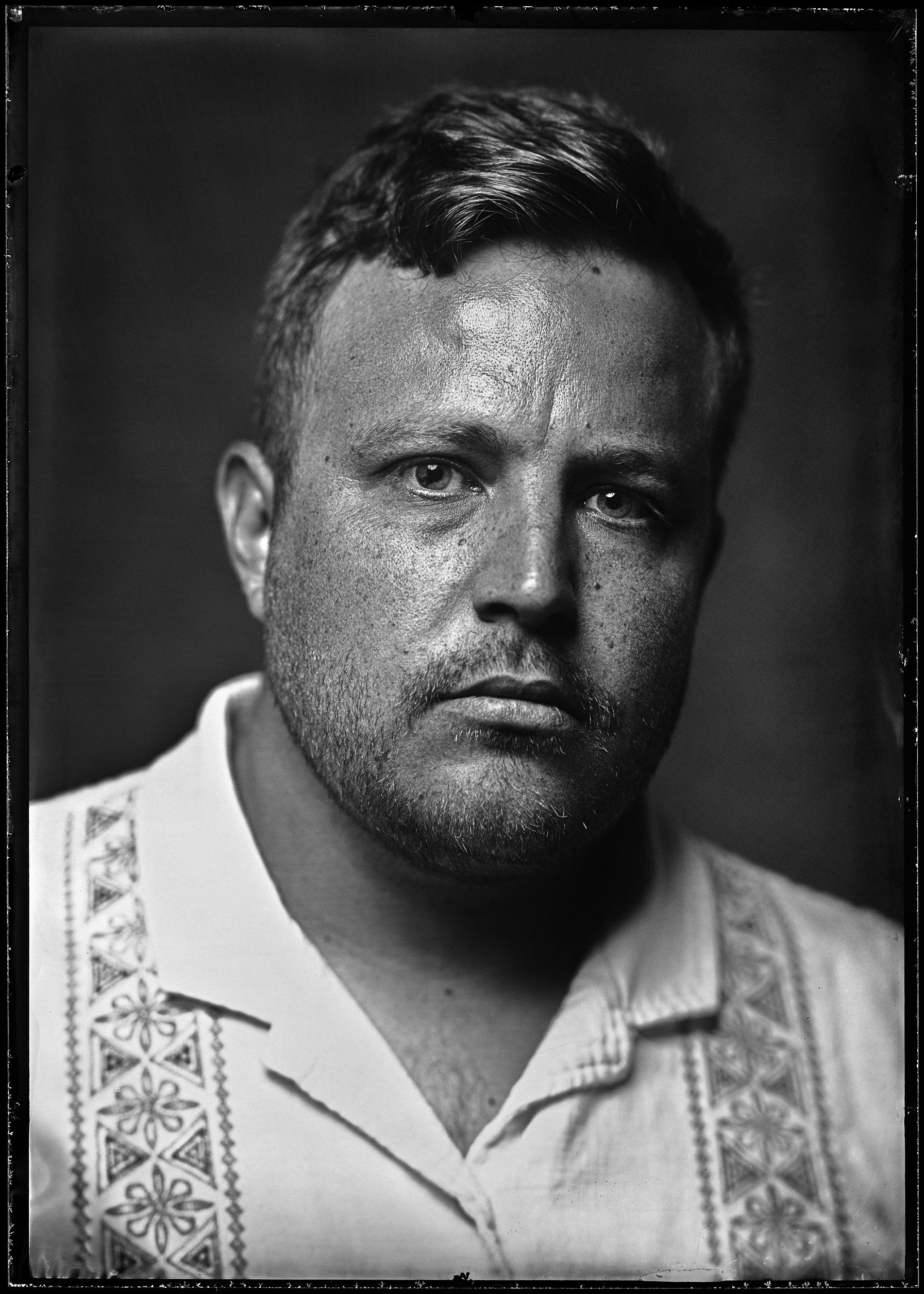
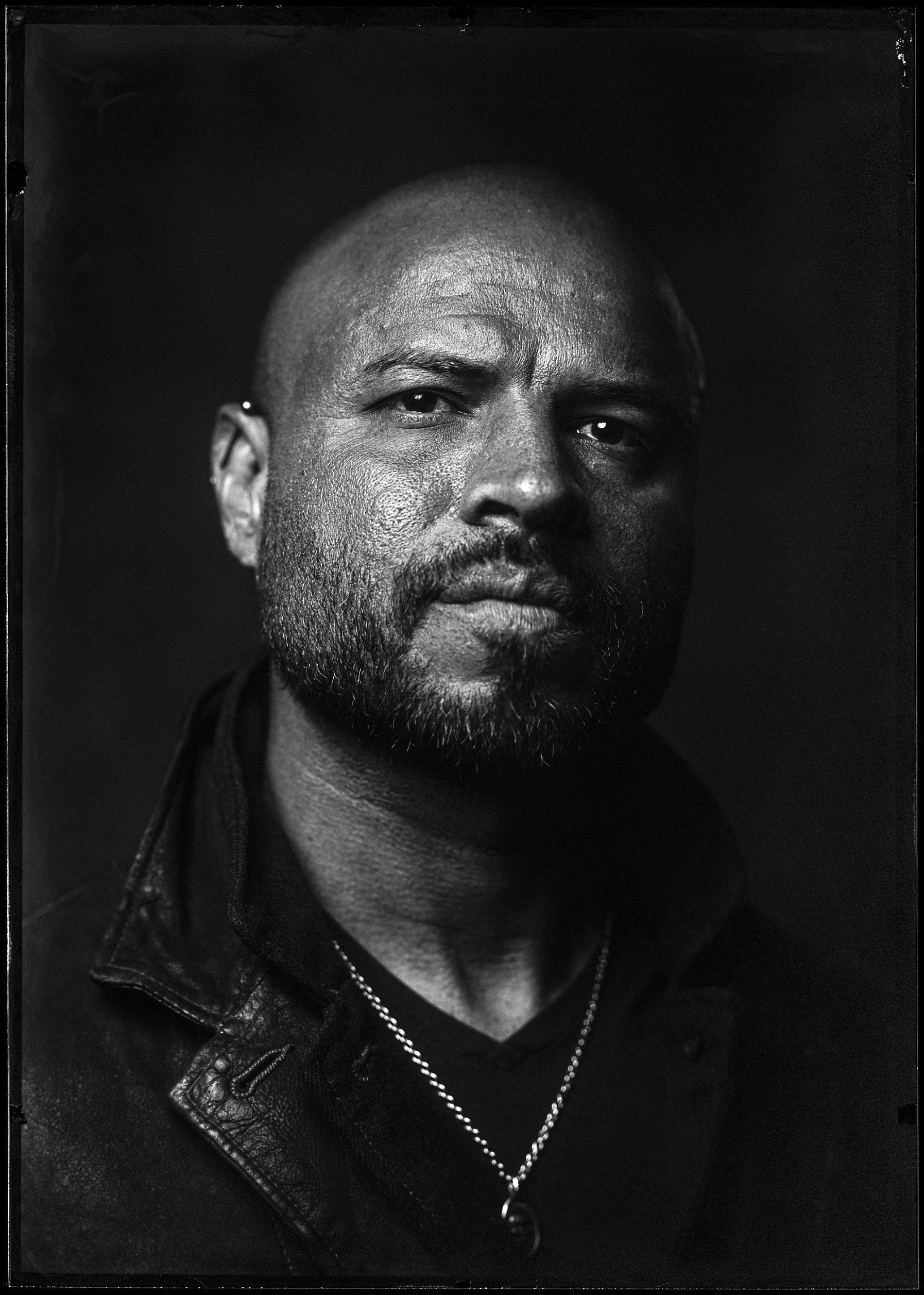
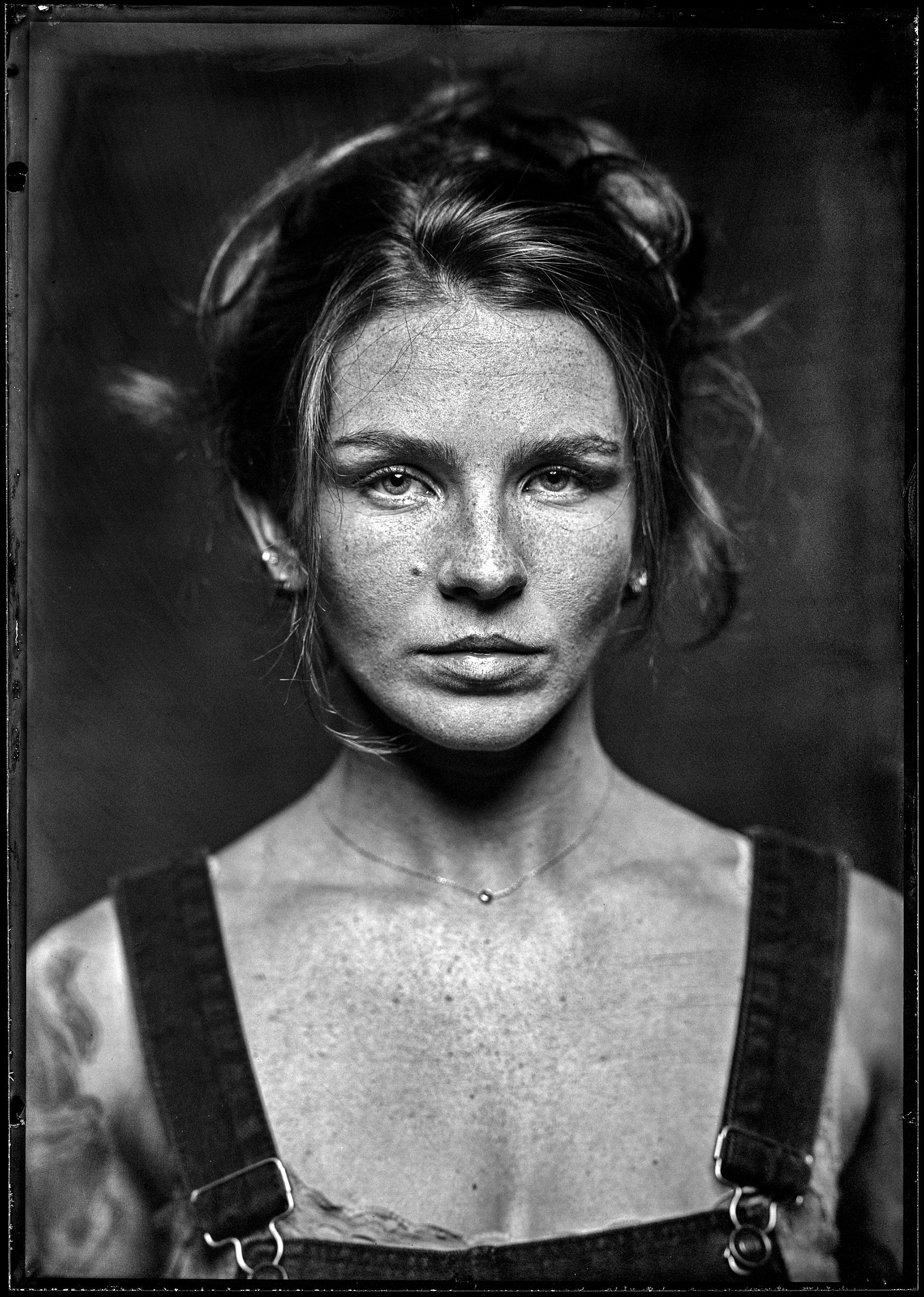
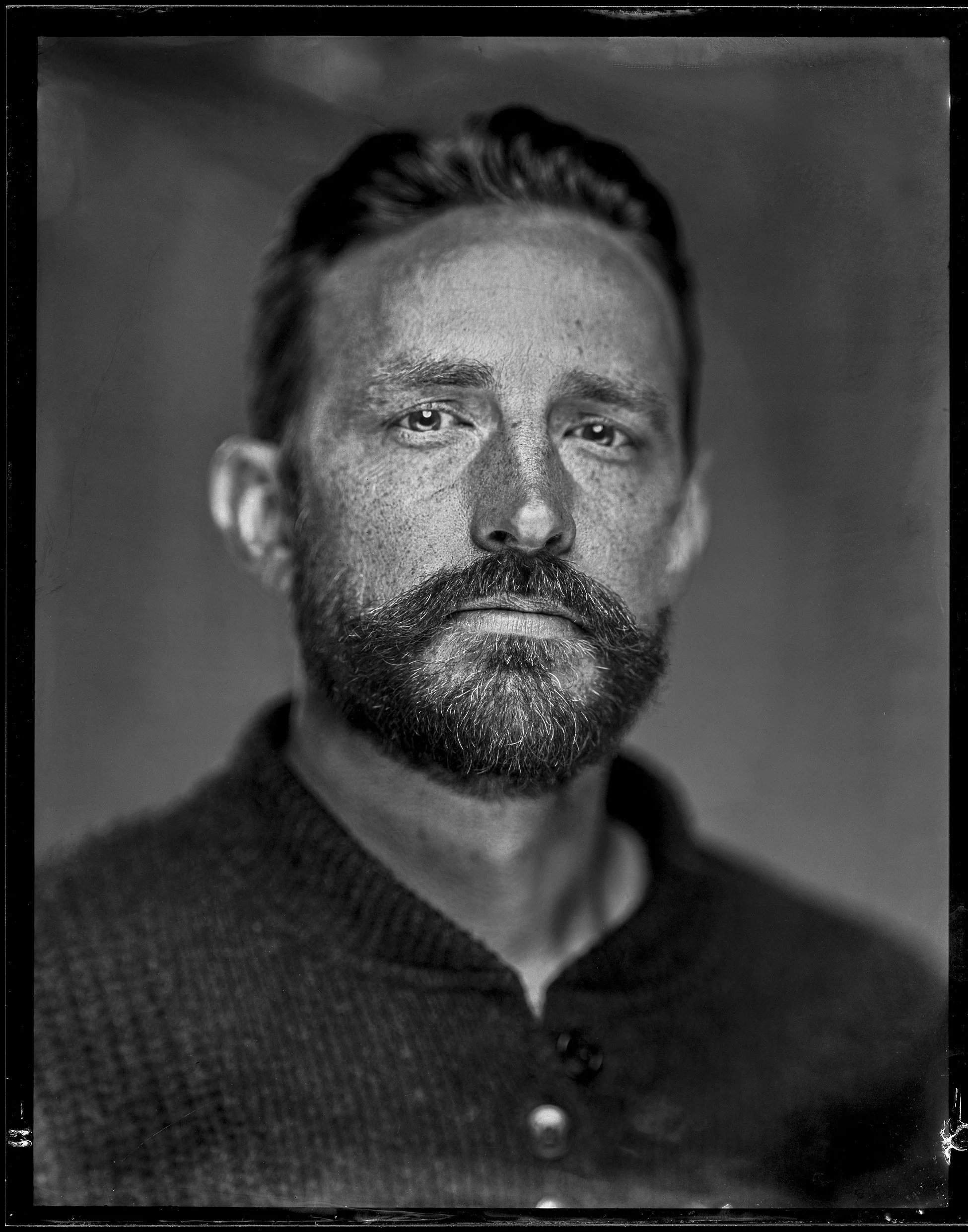
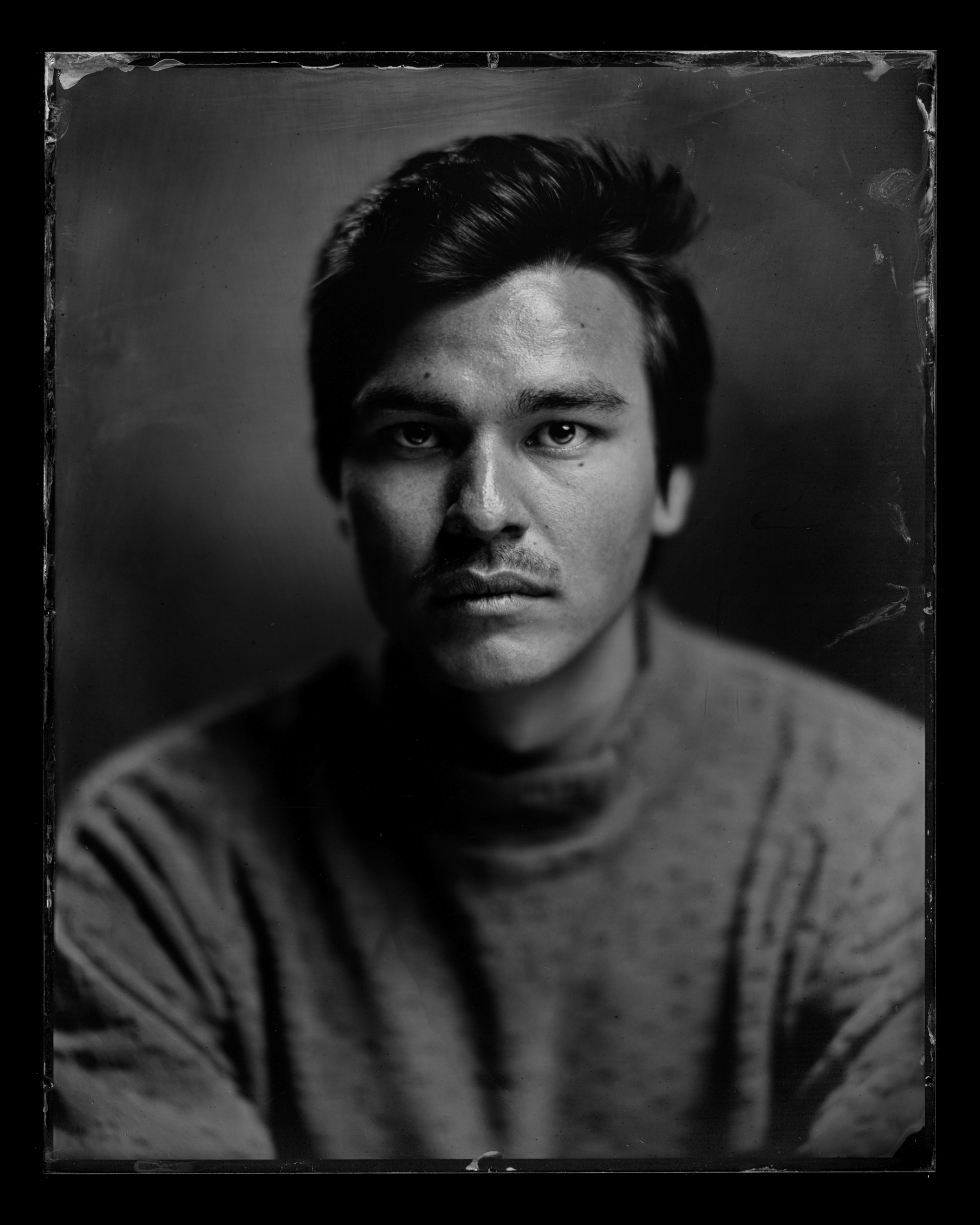
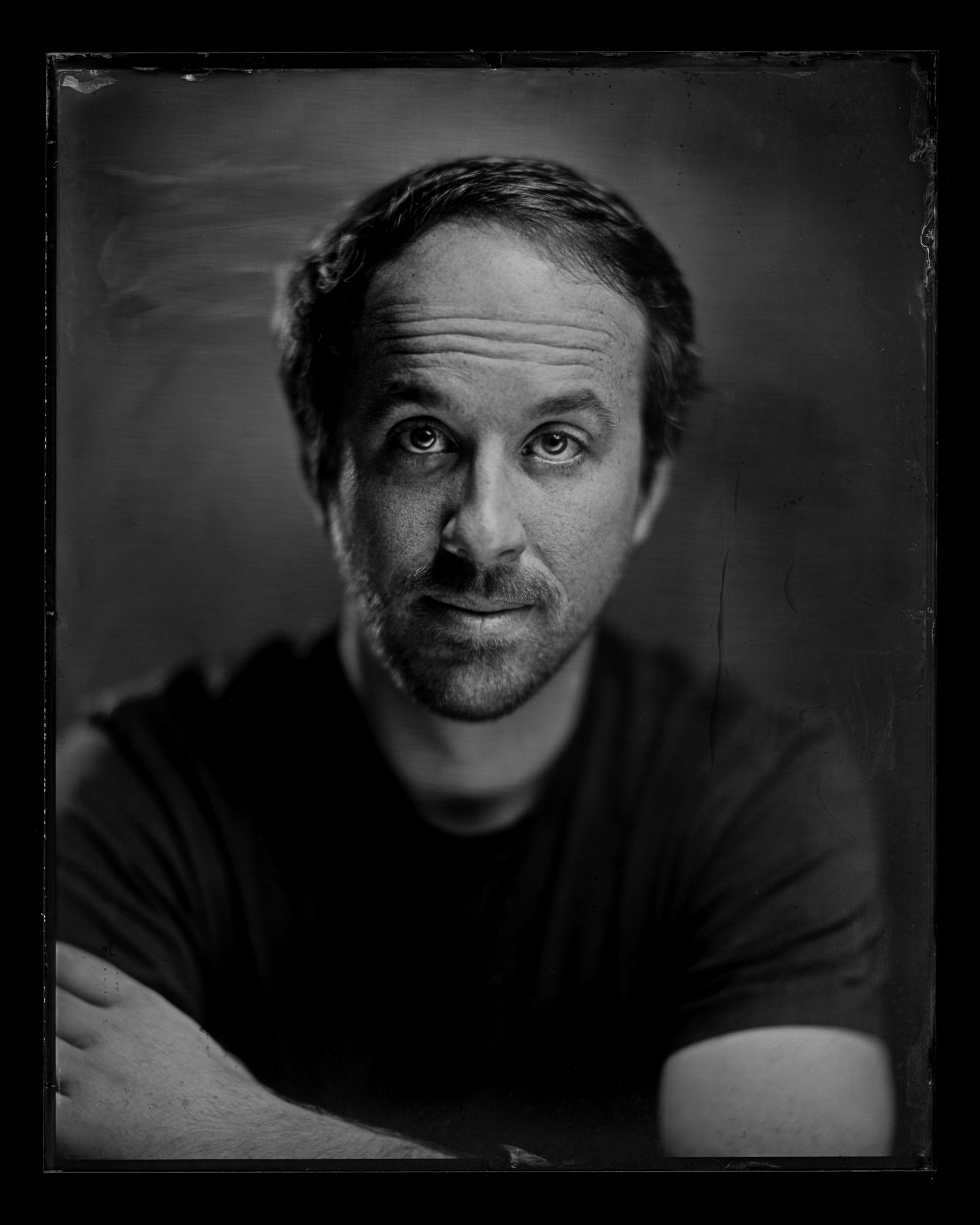
A tintype portrait does not look like it came from a photographer with a grey backdrop and a two-light setup, because it did not. It looks like an object with a history — and in a feed of interchangeable faces, that is the whole job.
I make these for anyone who needs one photograph to stand in for them: a musician's bio picture, an author jacket, a press kit, a tattooer's or a chef's profile, an album cover, a founder's page. Artists, makers and performers are most of who comes through the door, and the plates are better for it.
Your profile picture is the single most-viewed photograph of you that will ever exist, and almost everyone is using a cropped snapshot. A plate made on a 170-year-old process stops a scroll in a way no filter does, and it will not look dated in two years the way a fashionable one will.
If your face is part of your work, this does something a phone photo cannot — it looks like it was made, because it was. I photograph a great many musicians; see the Backstage Portraits section of the editorial page for the ongoing festival series. Corporate and team sittings are welcome too, and get the same hour and the same plate as everyone else.
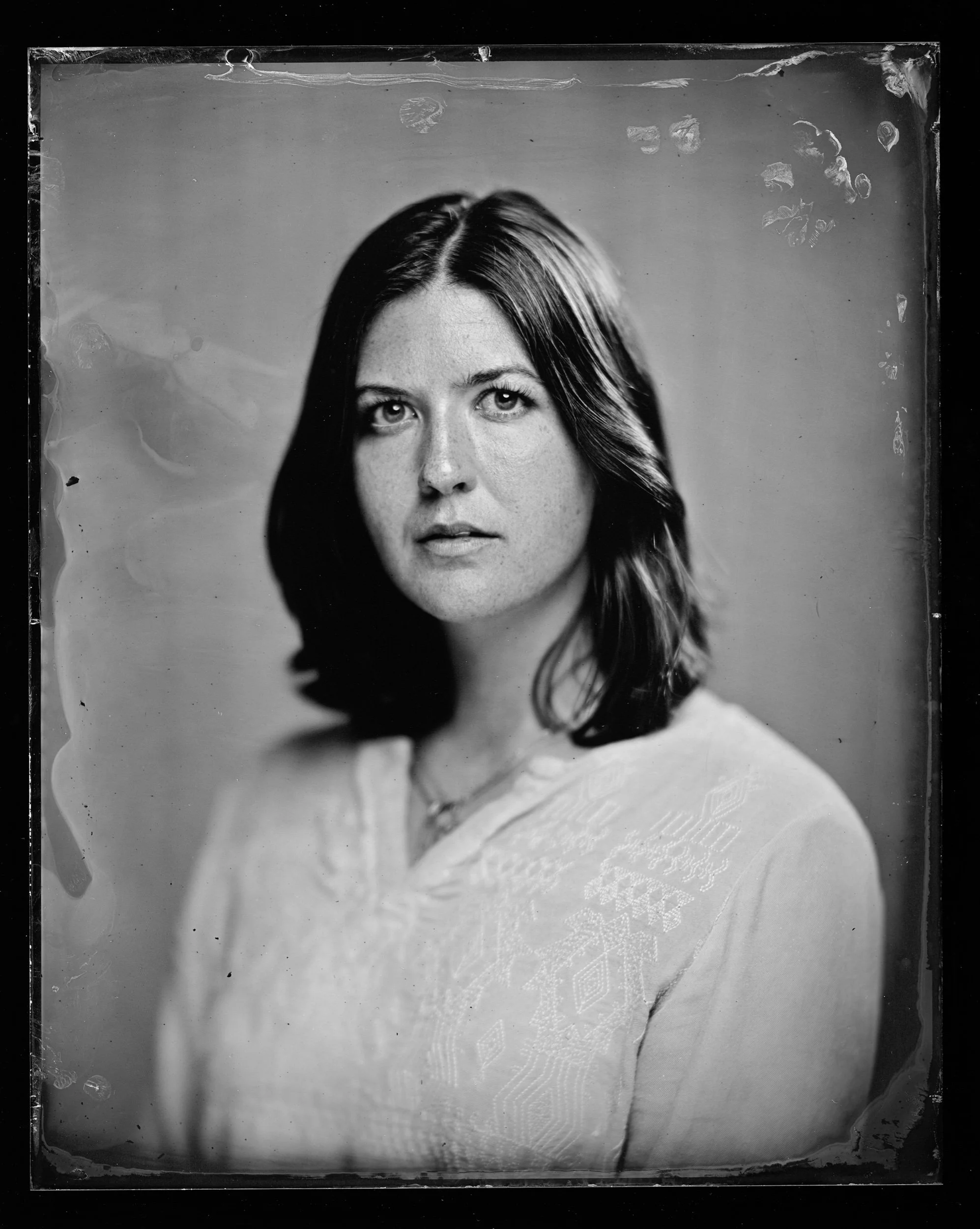
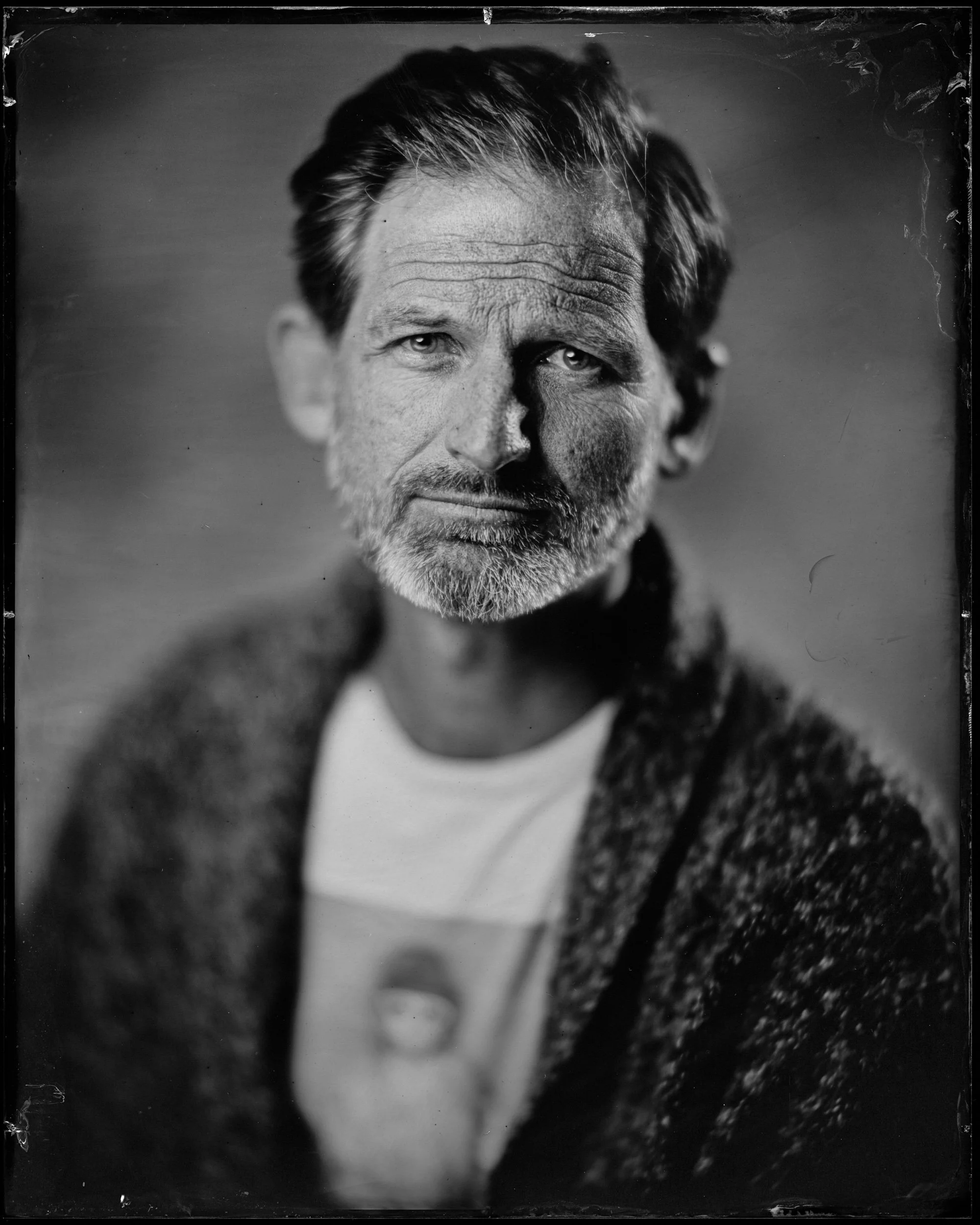
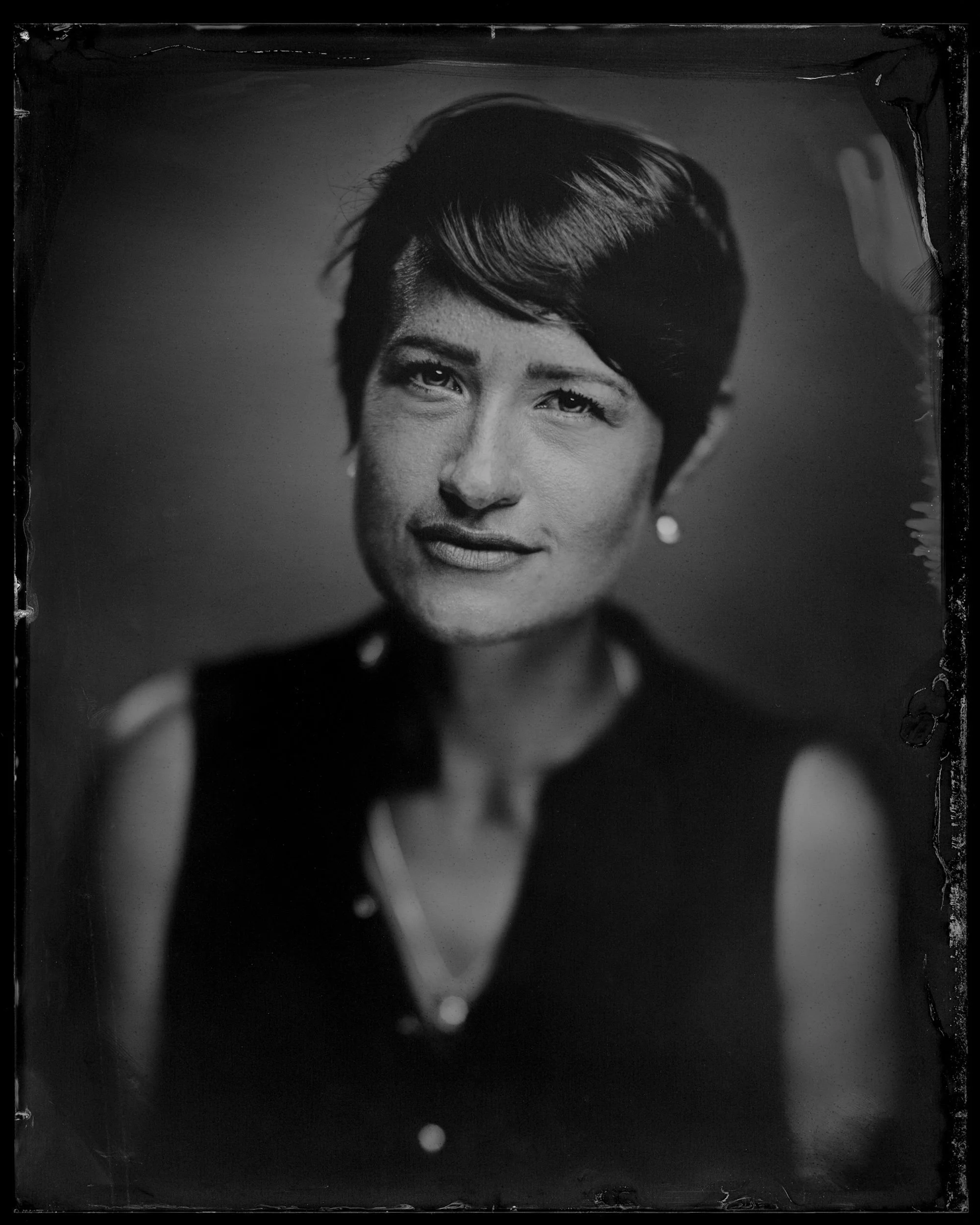
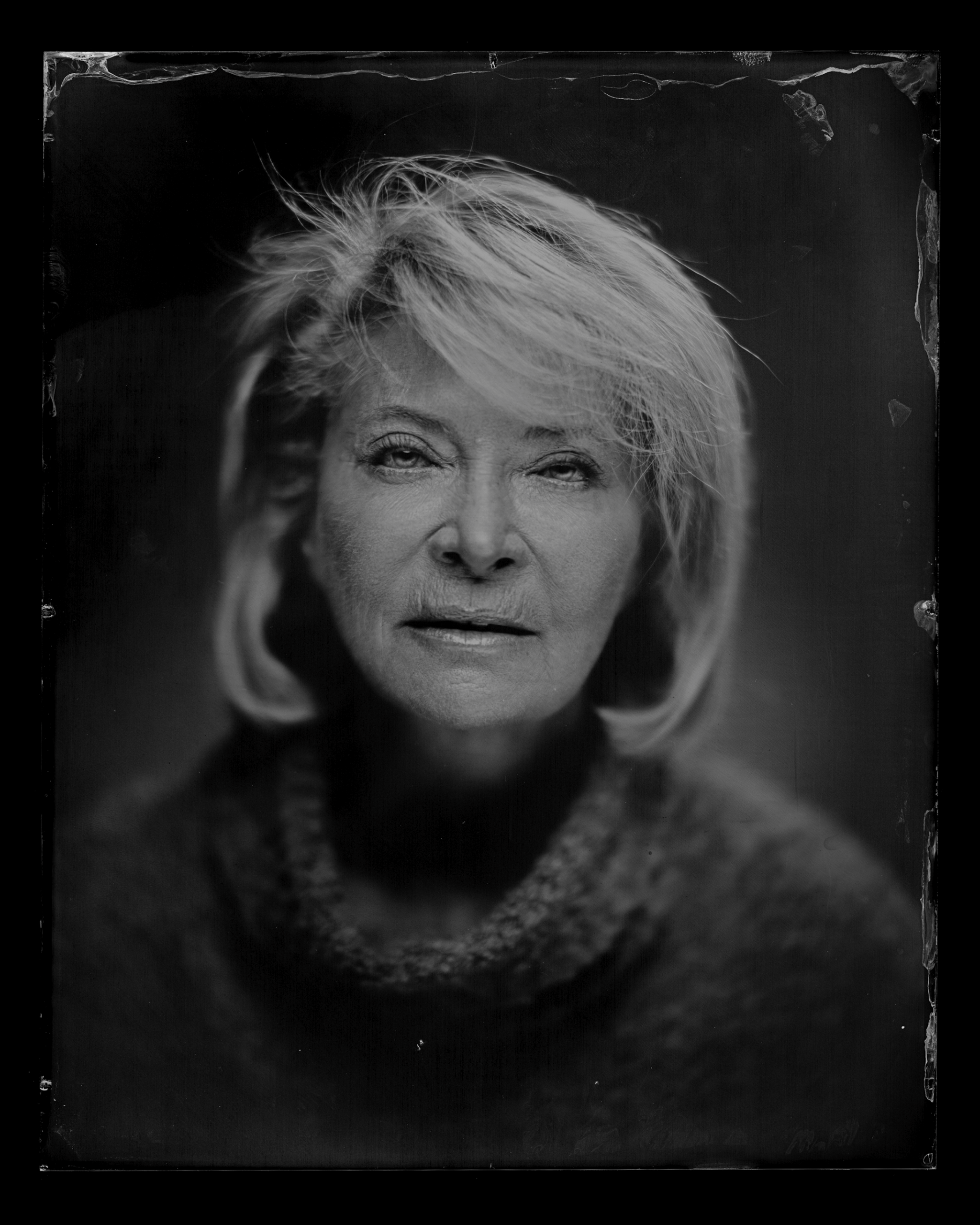
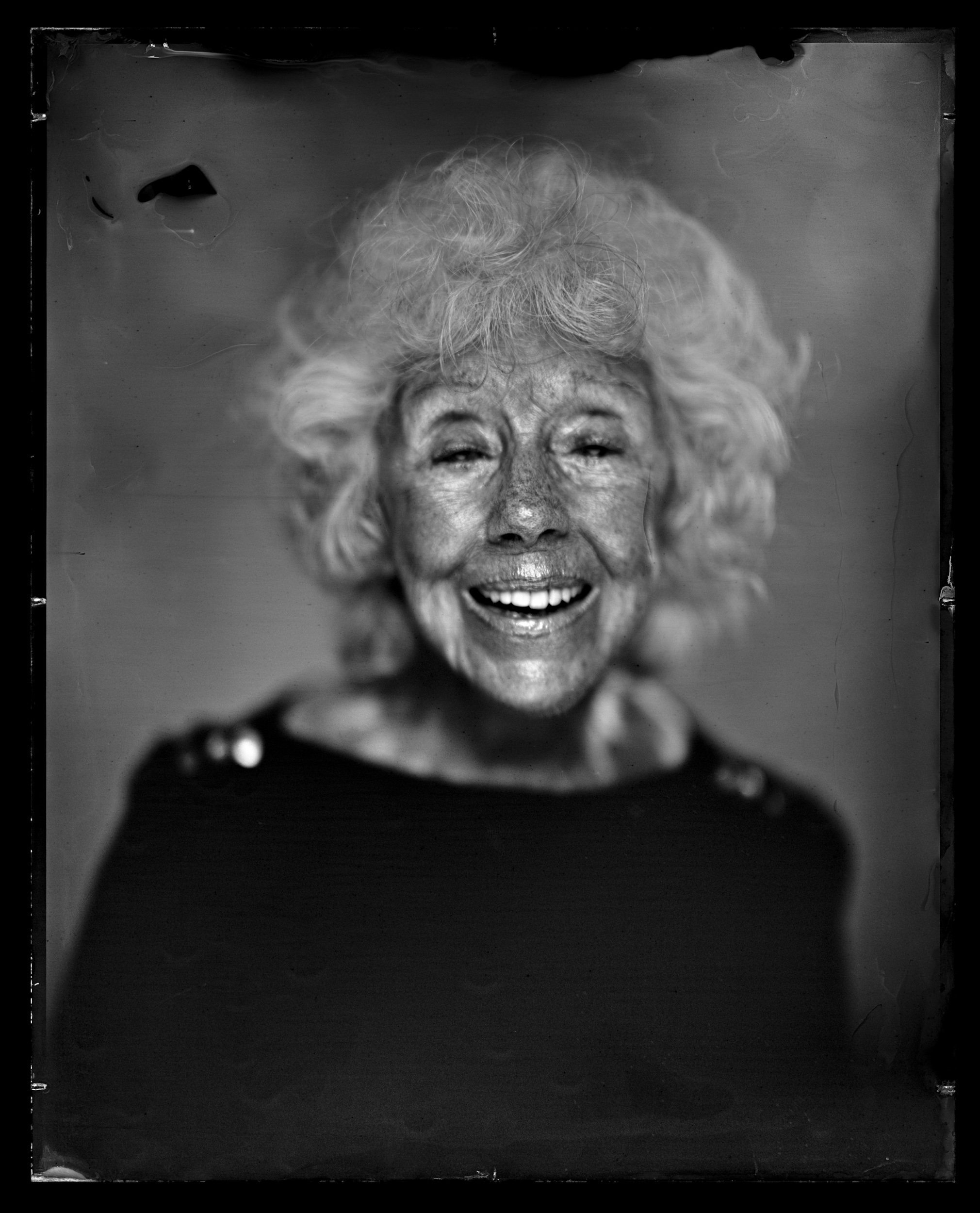
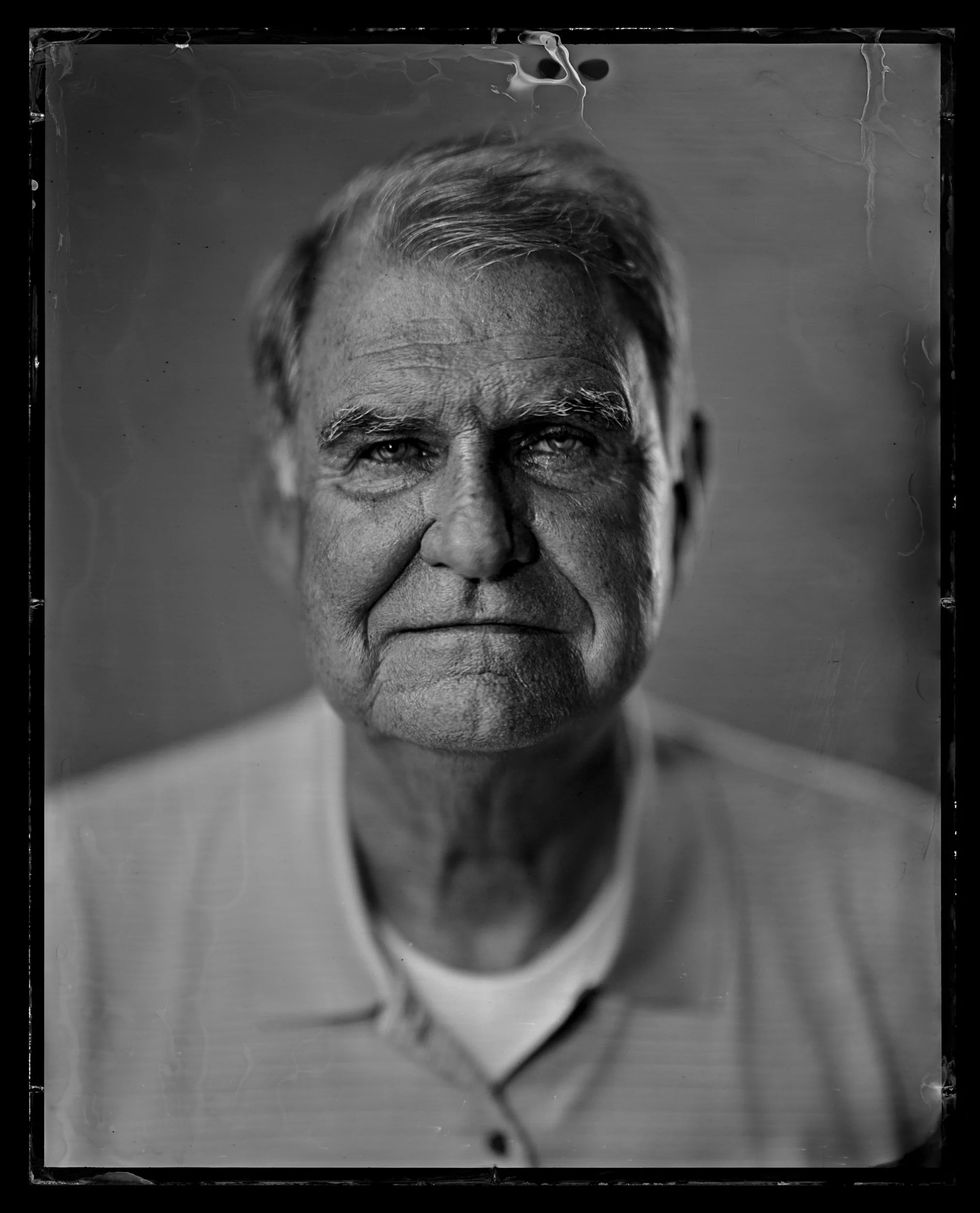
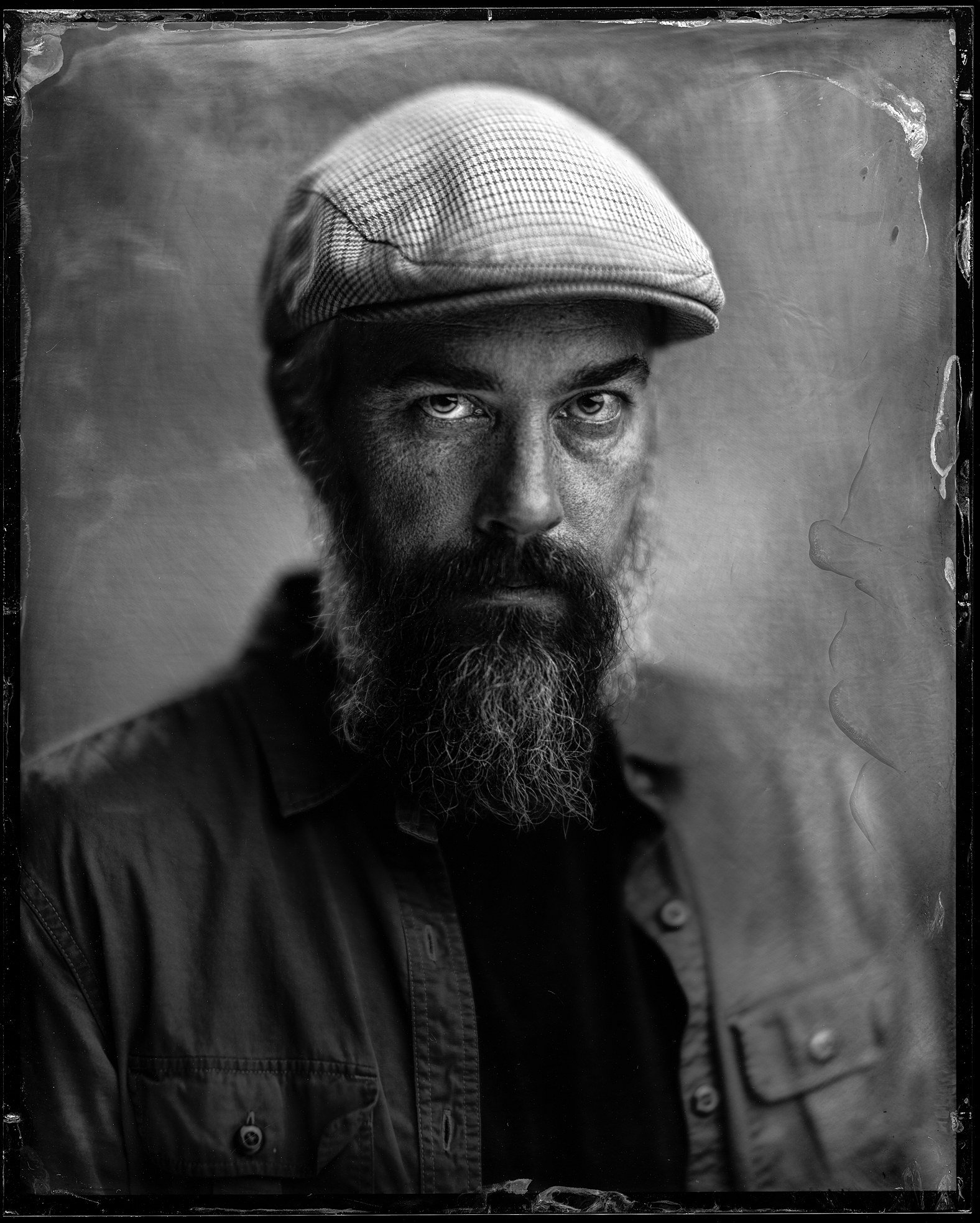
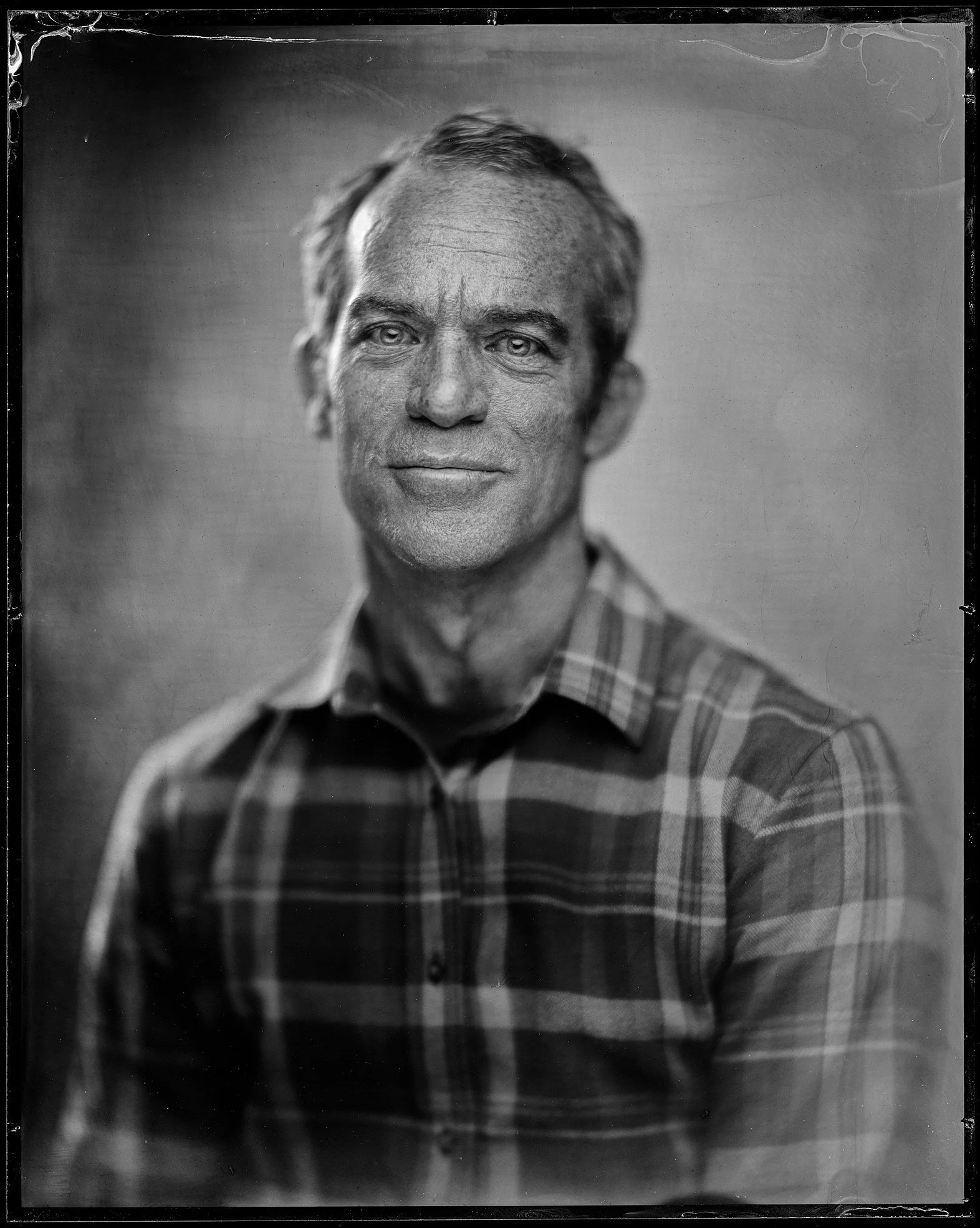
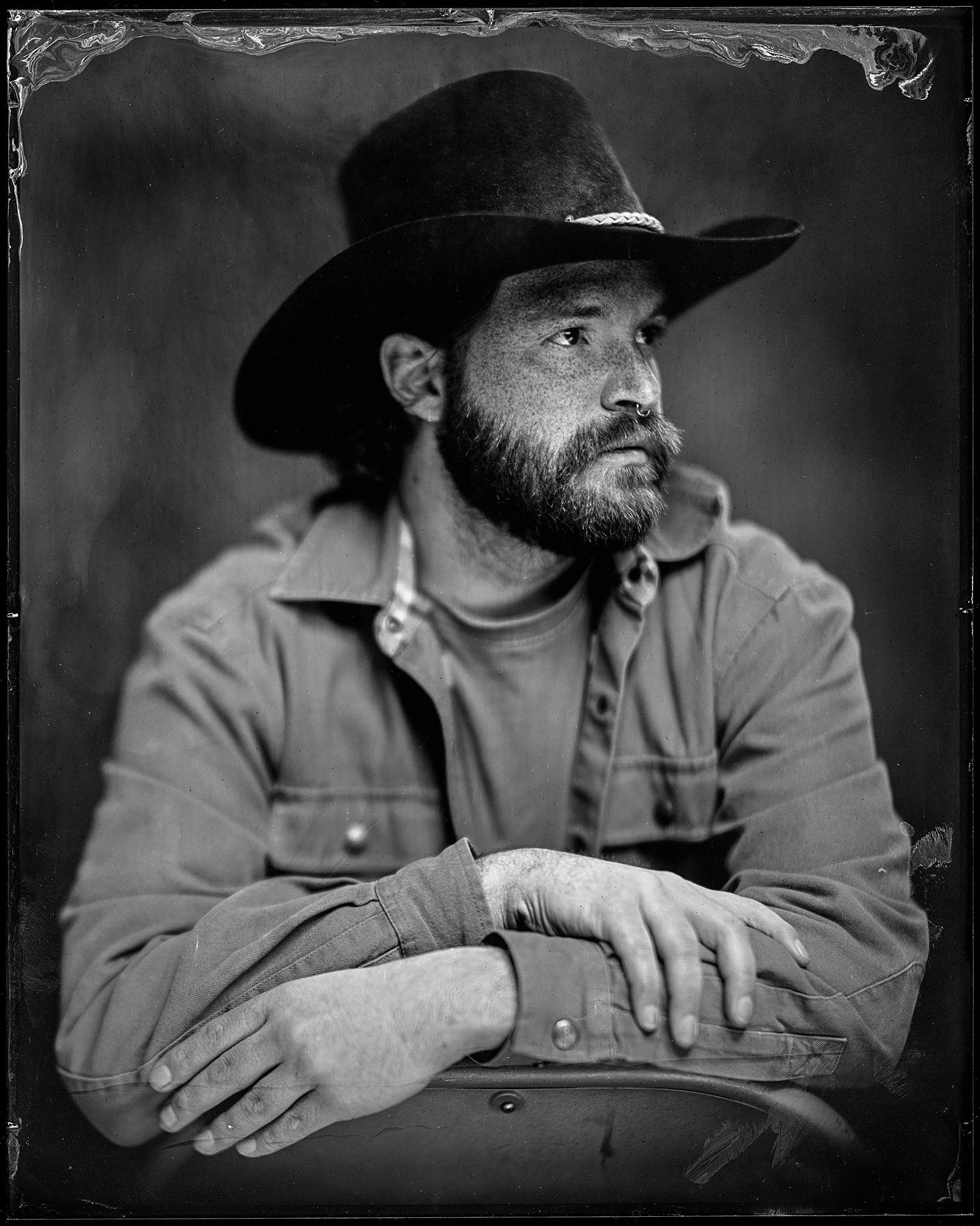
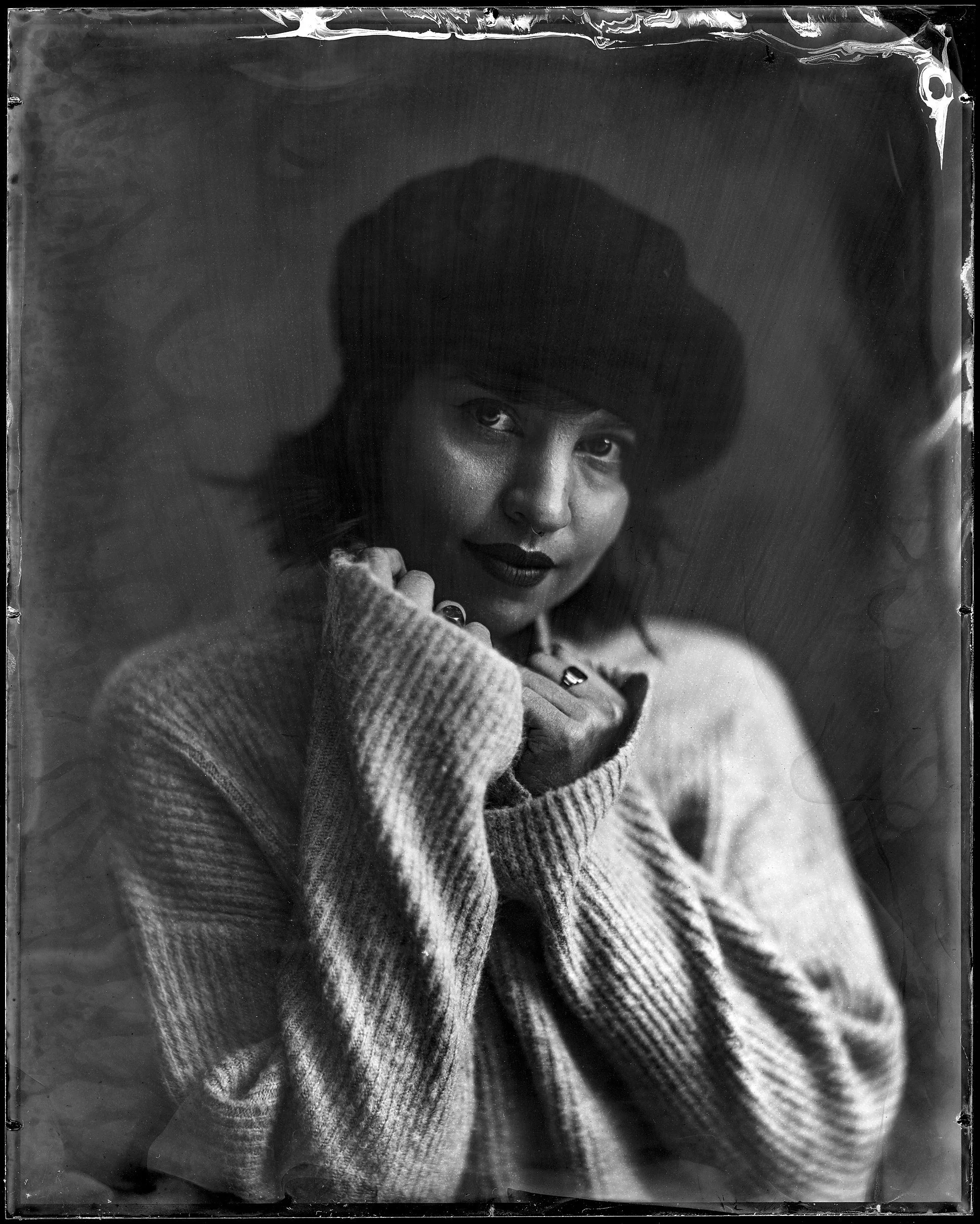
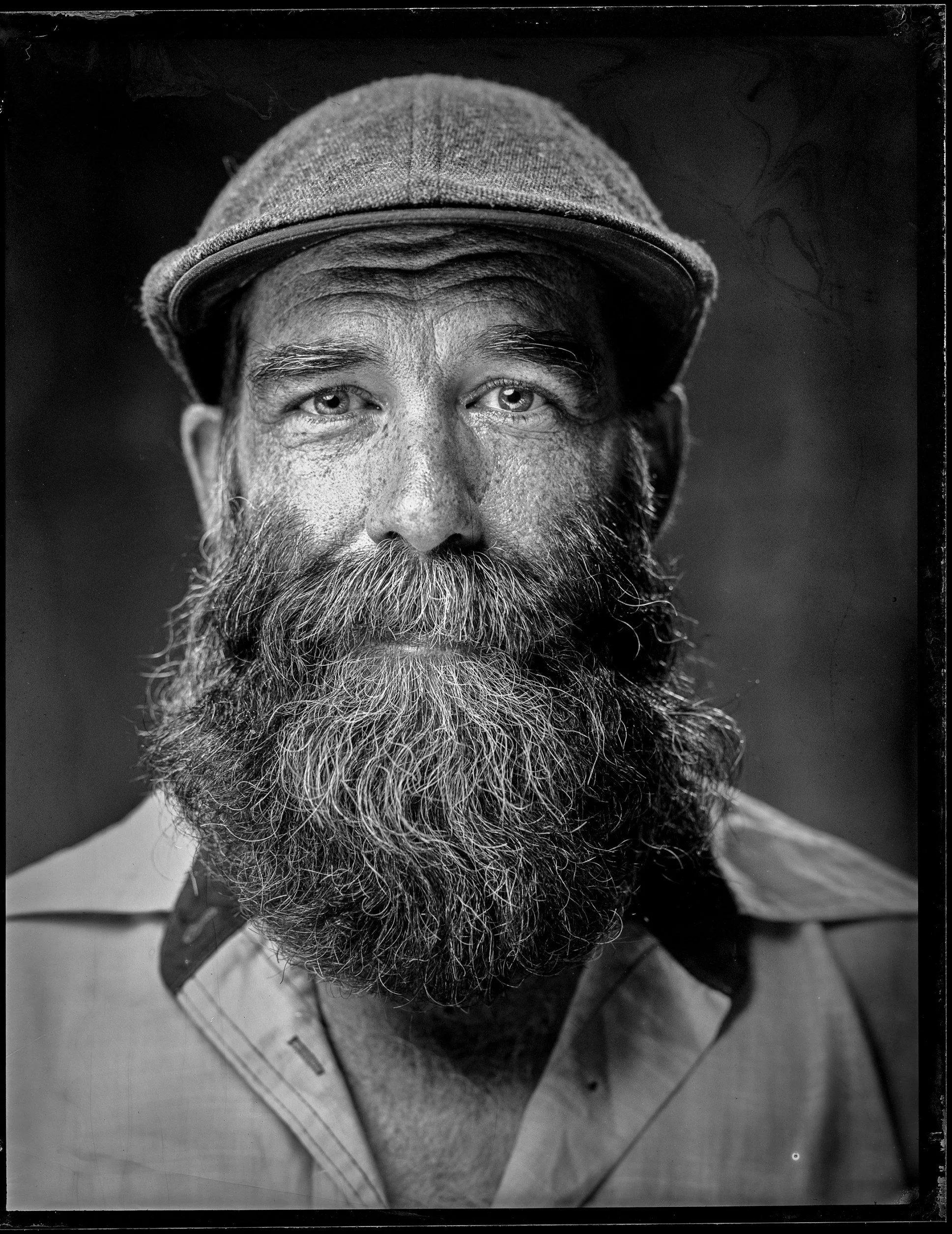
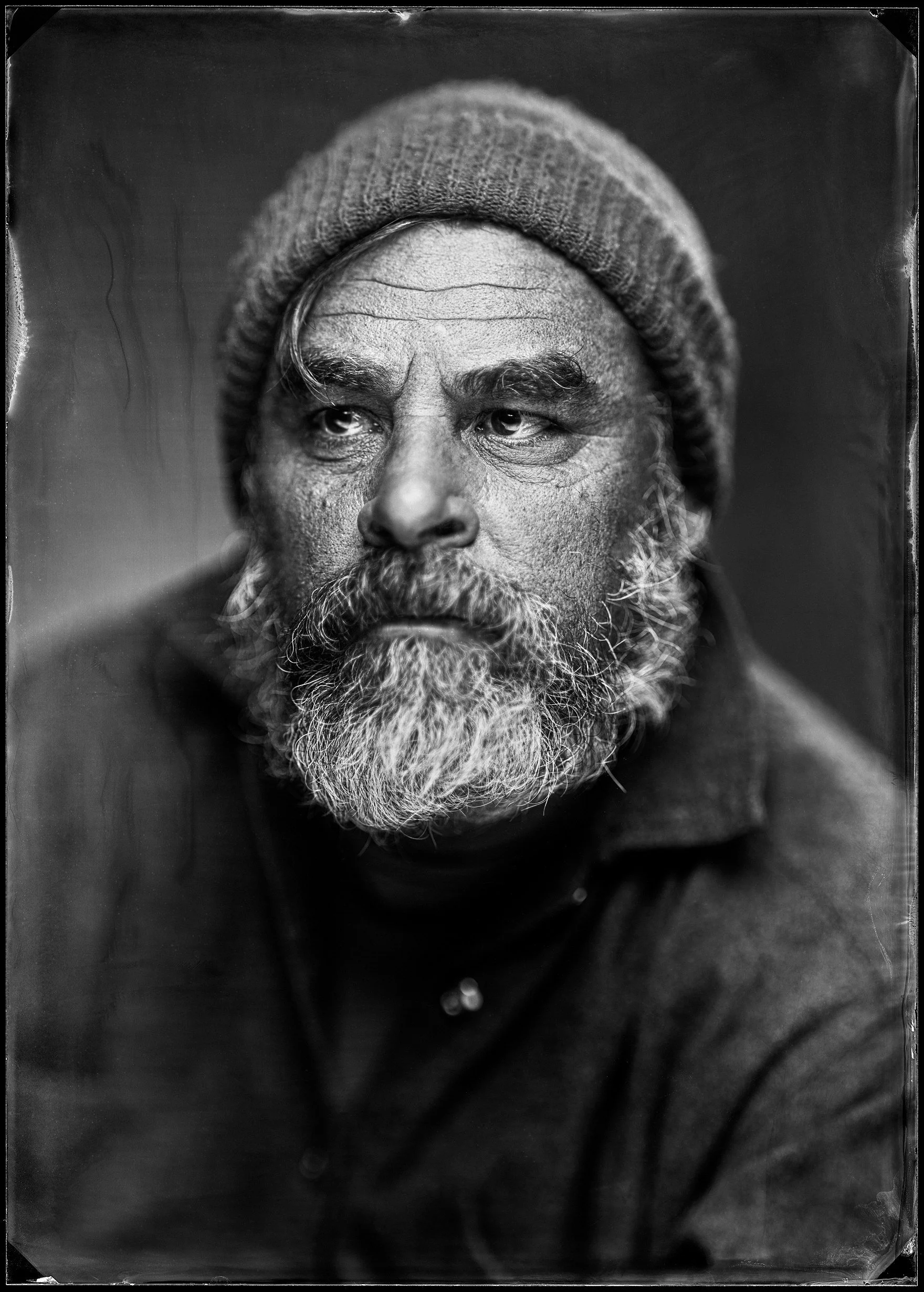
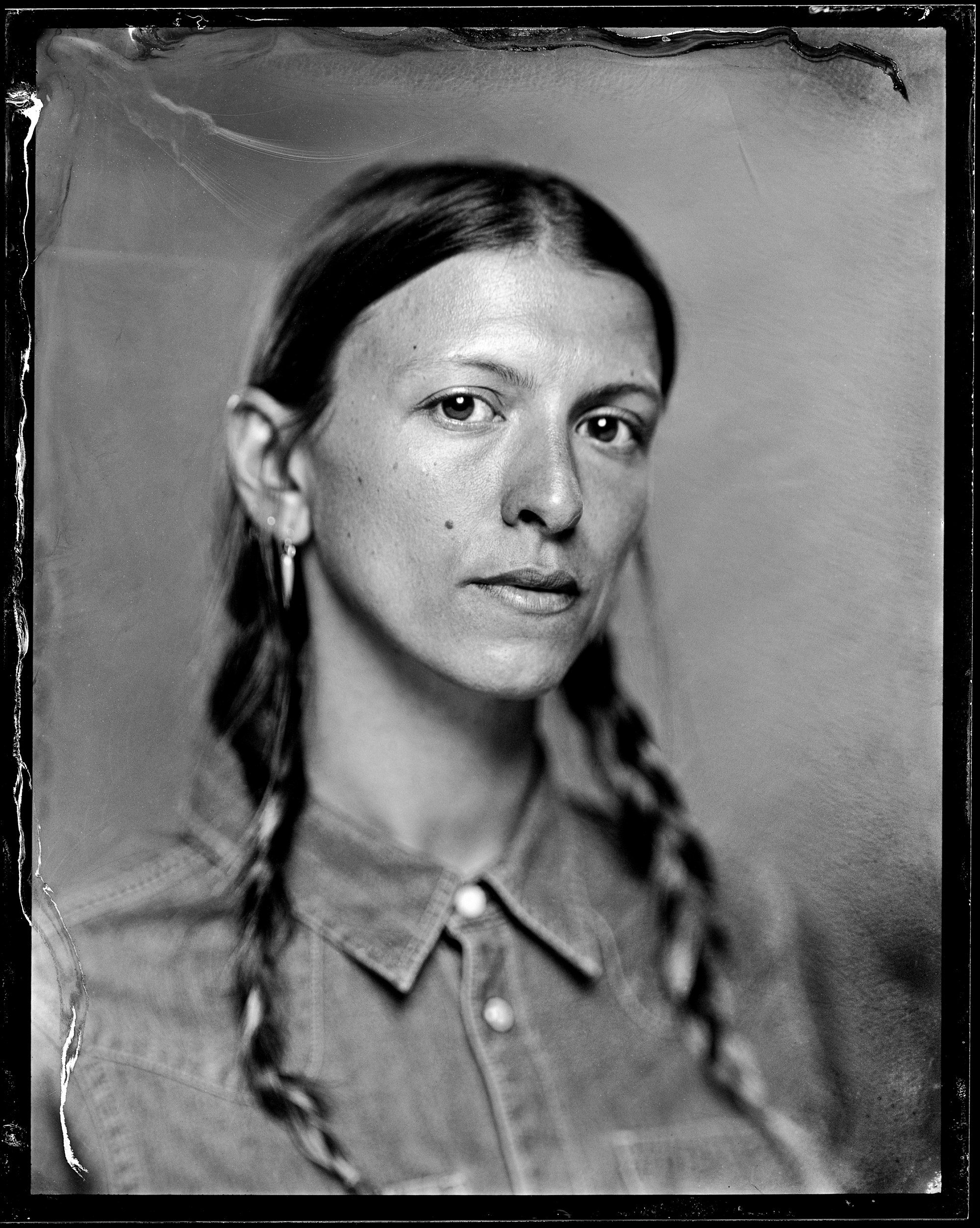
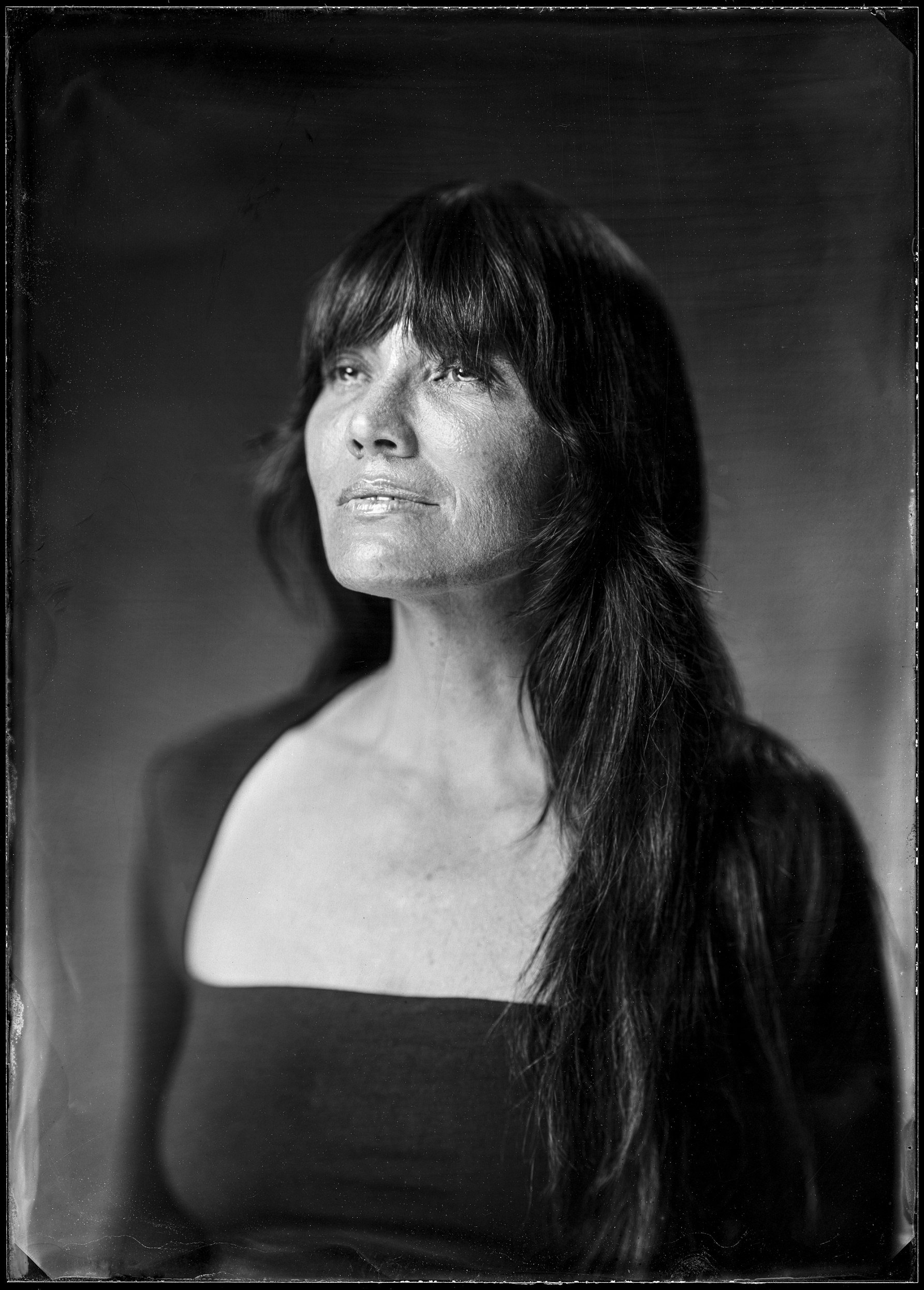
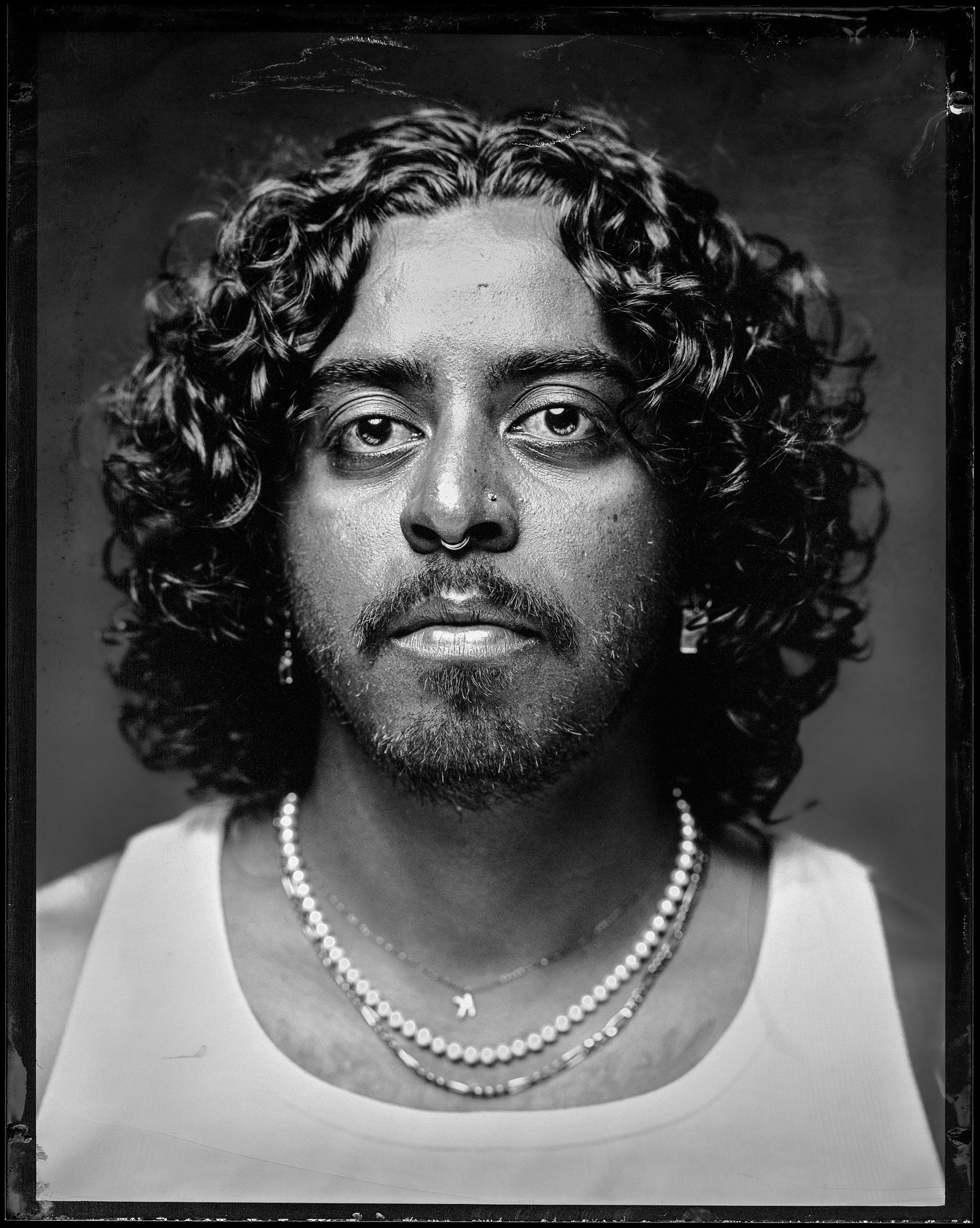
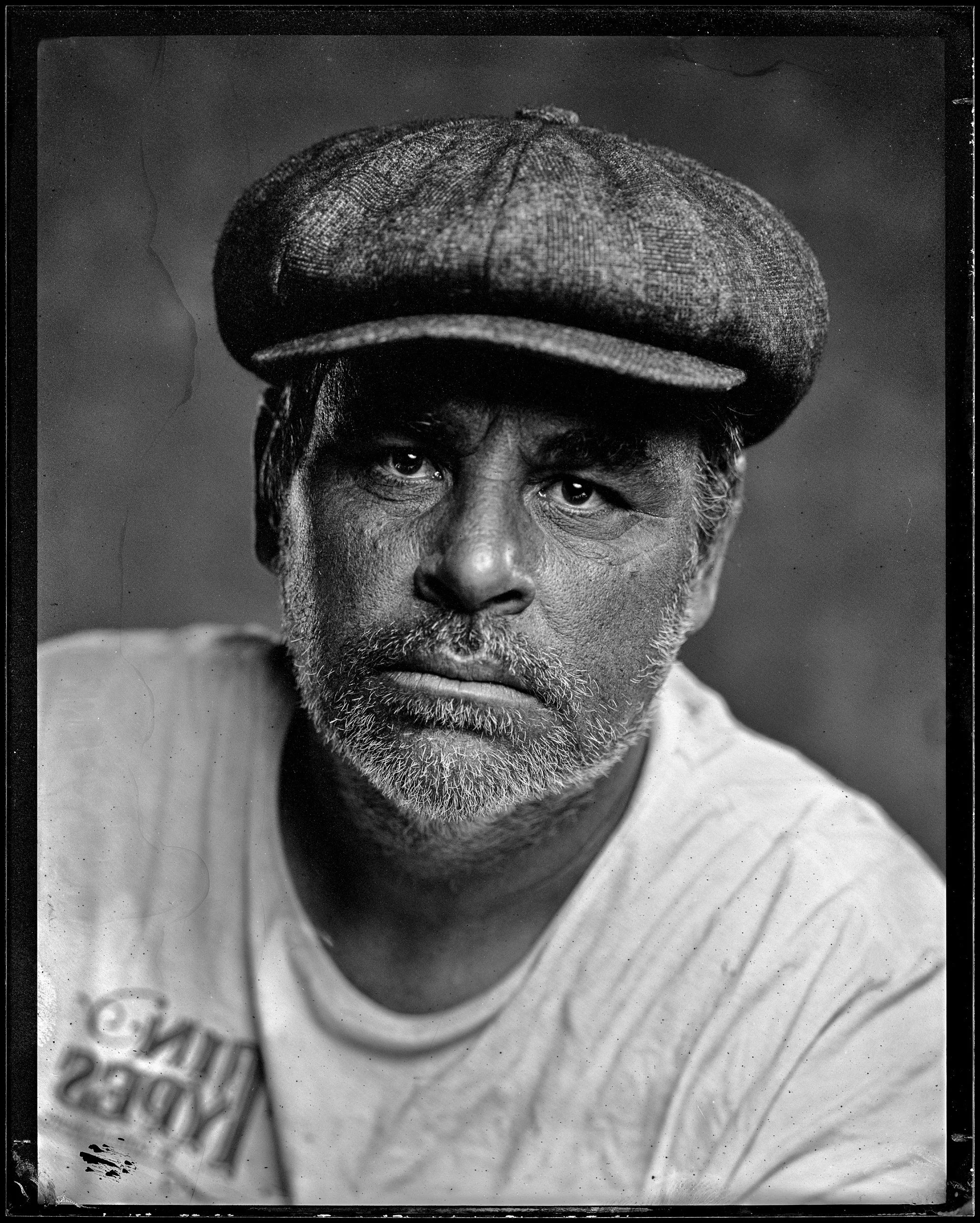
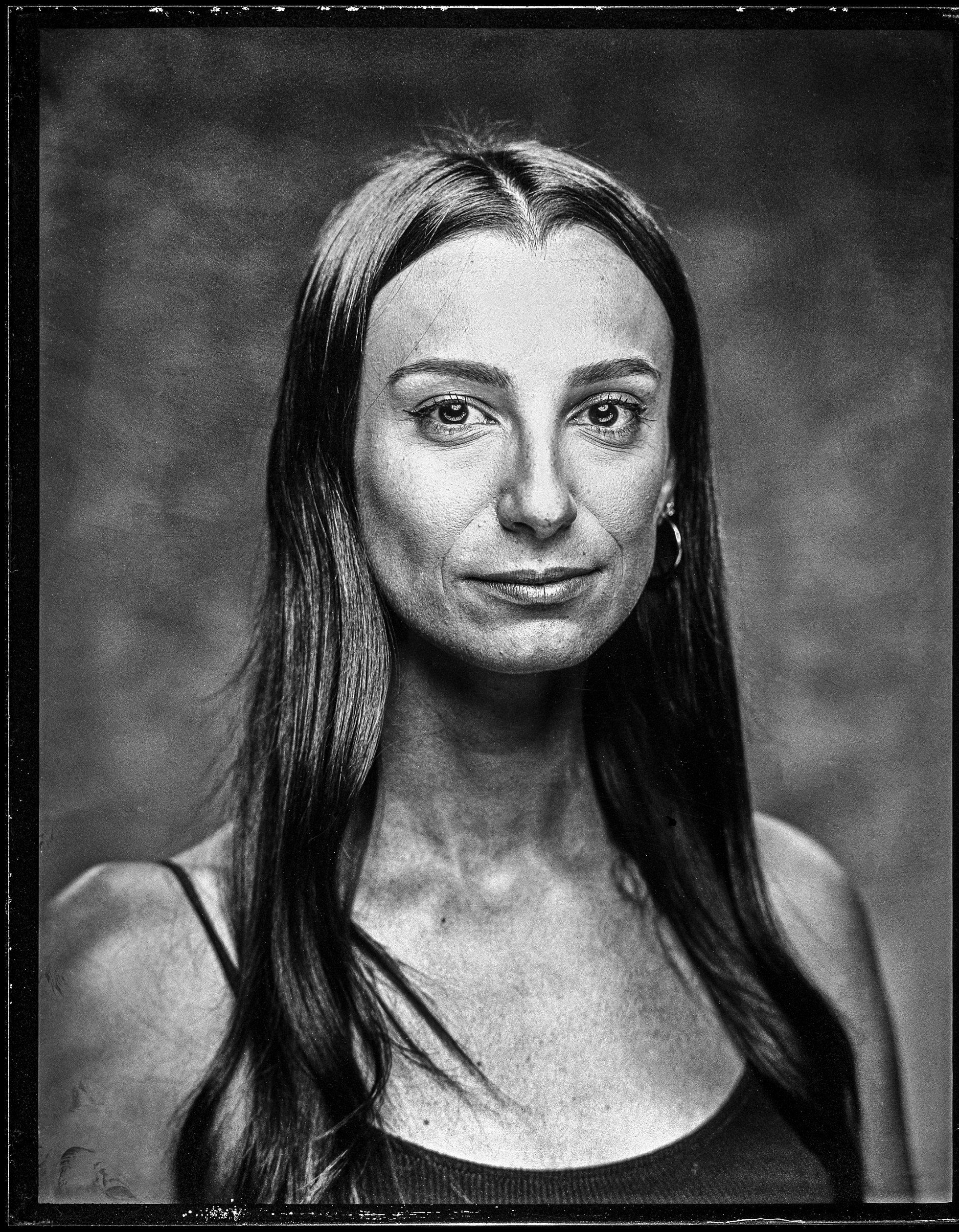
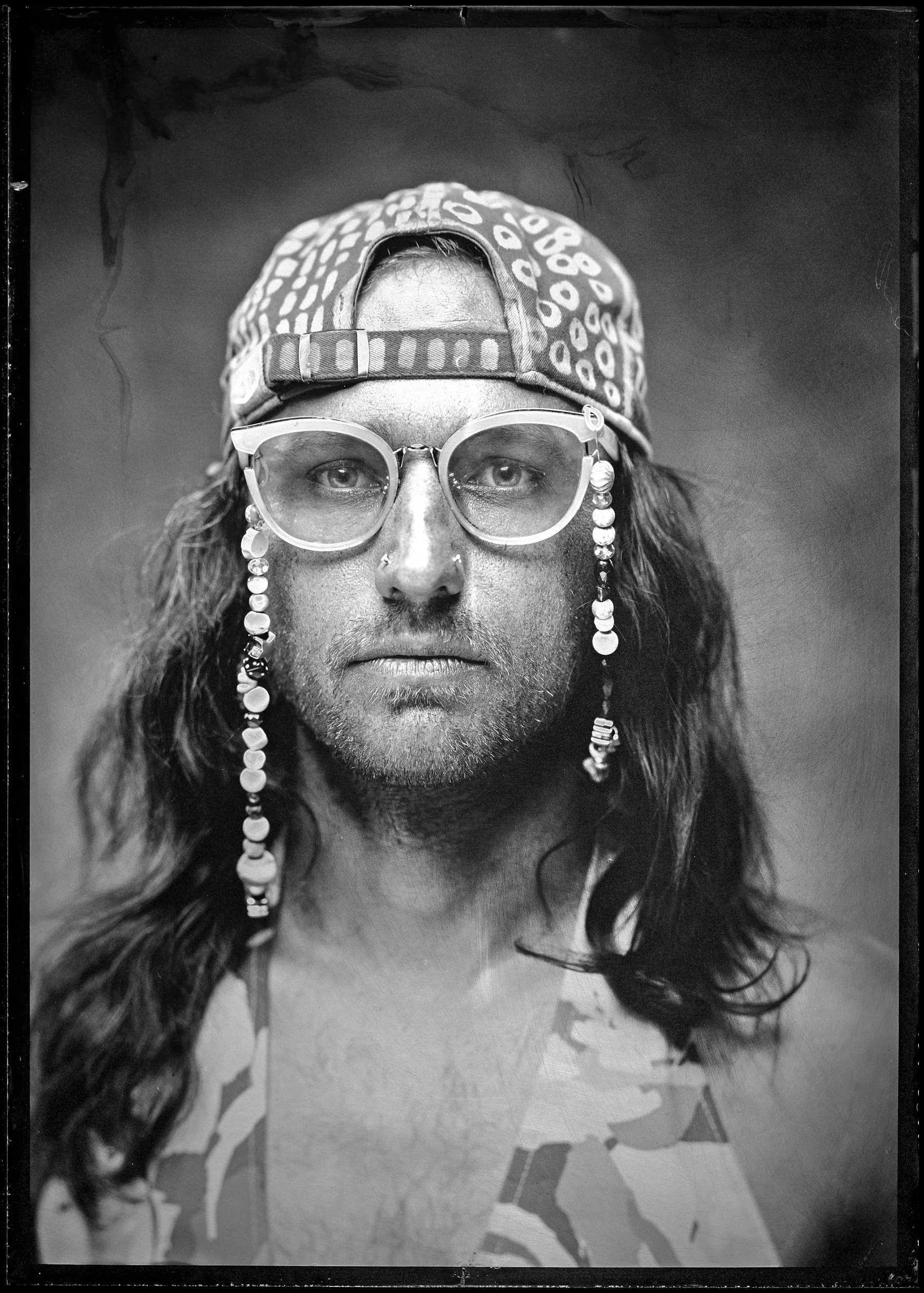
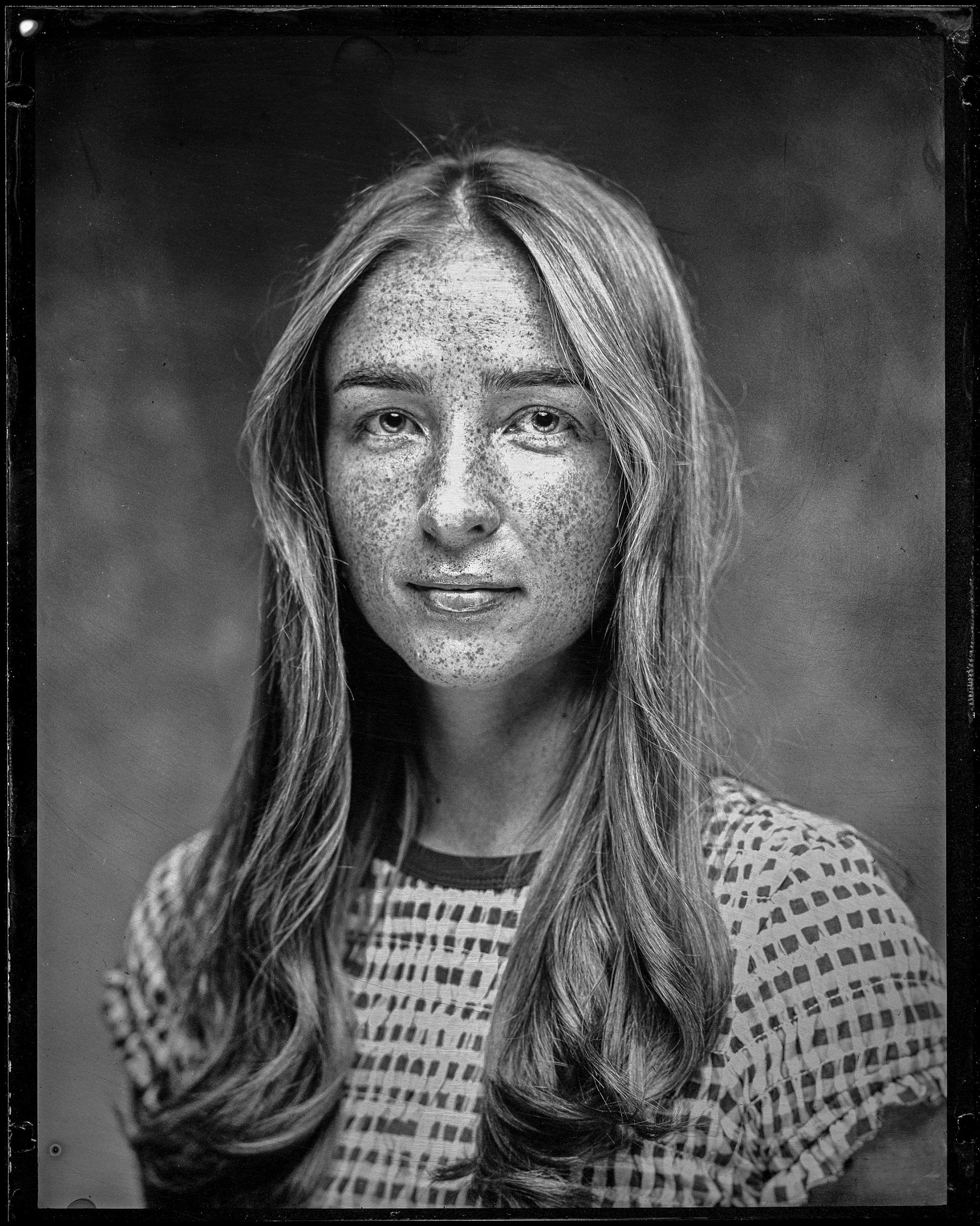
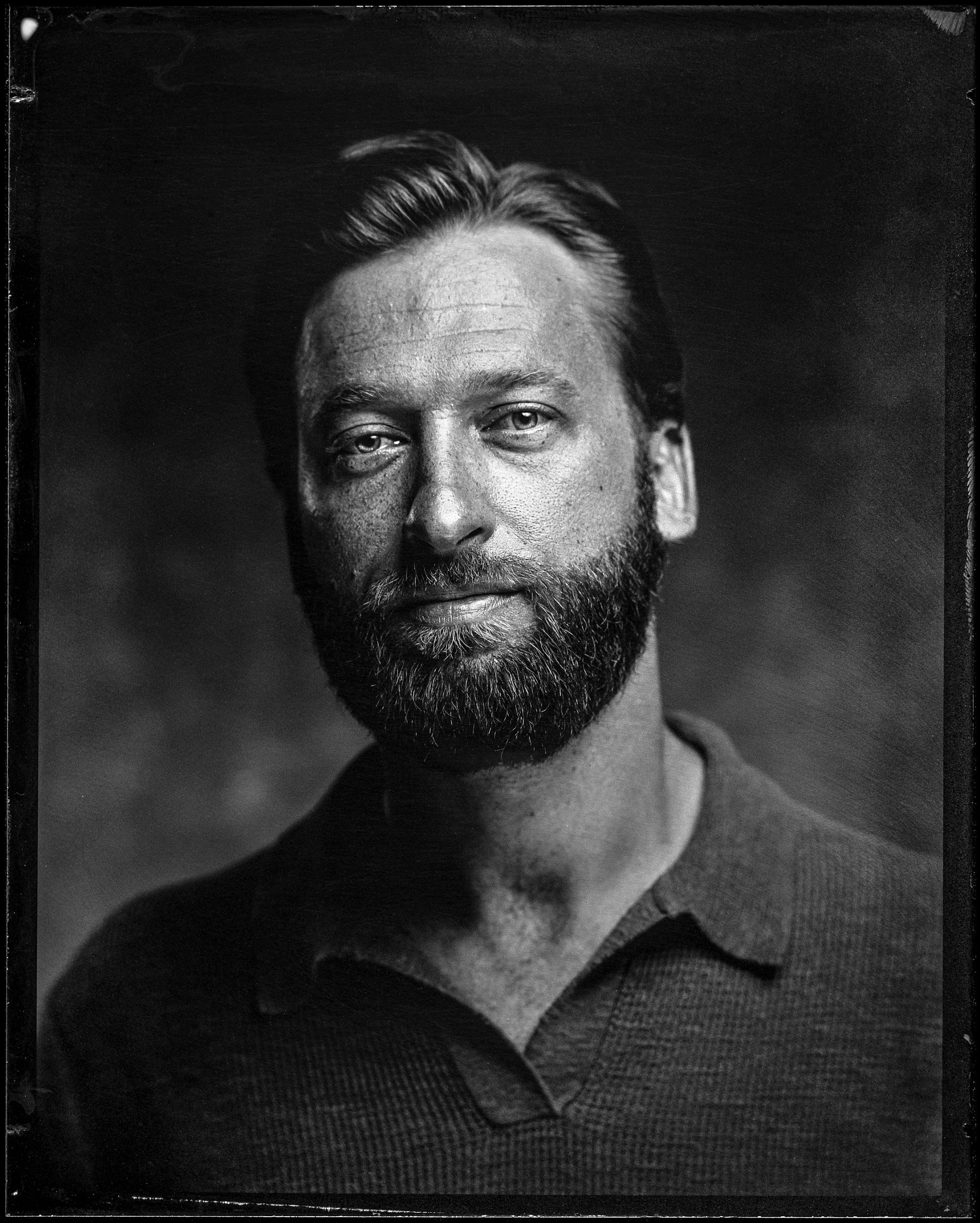
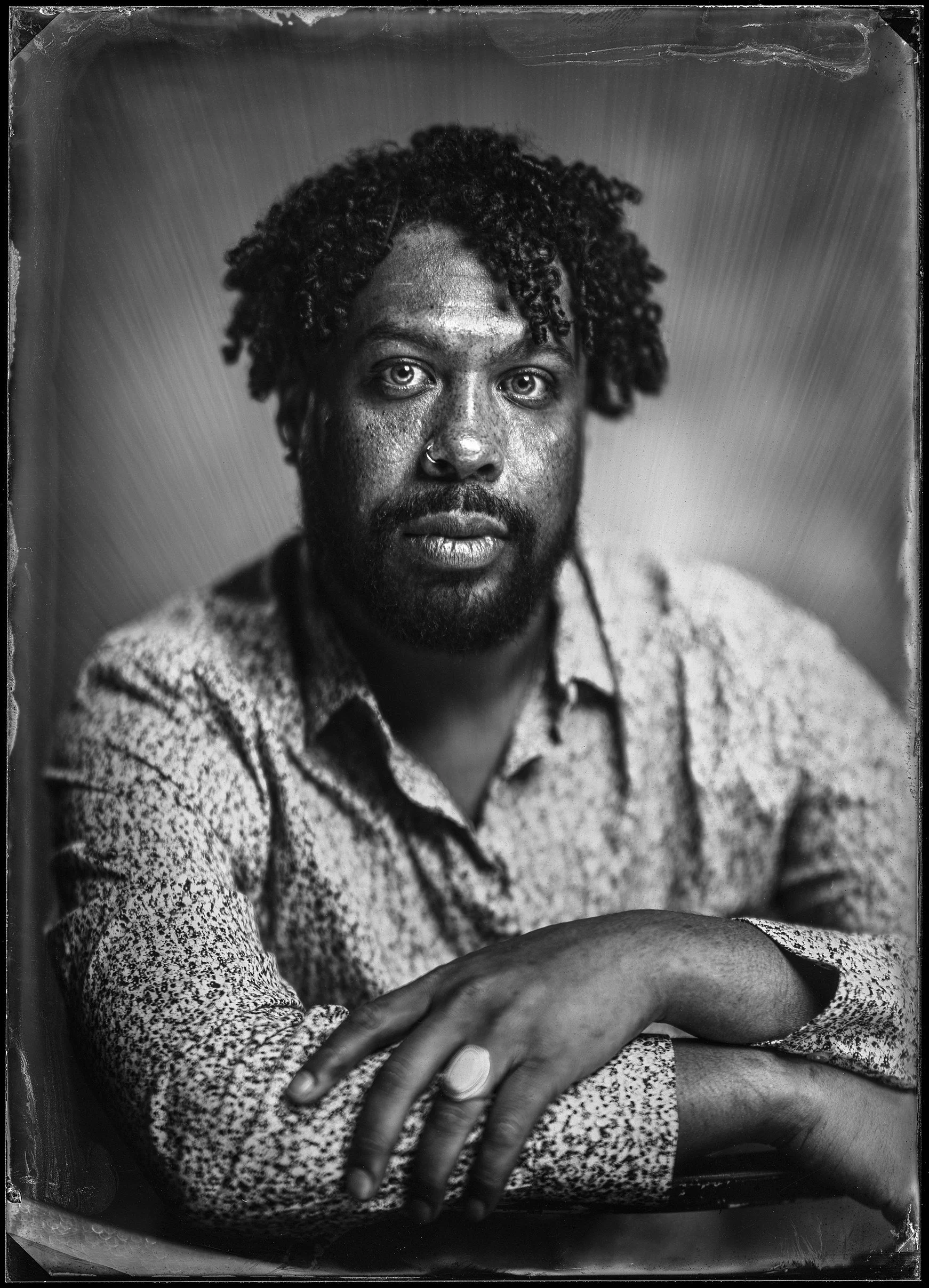
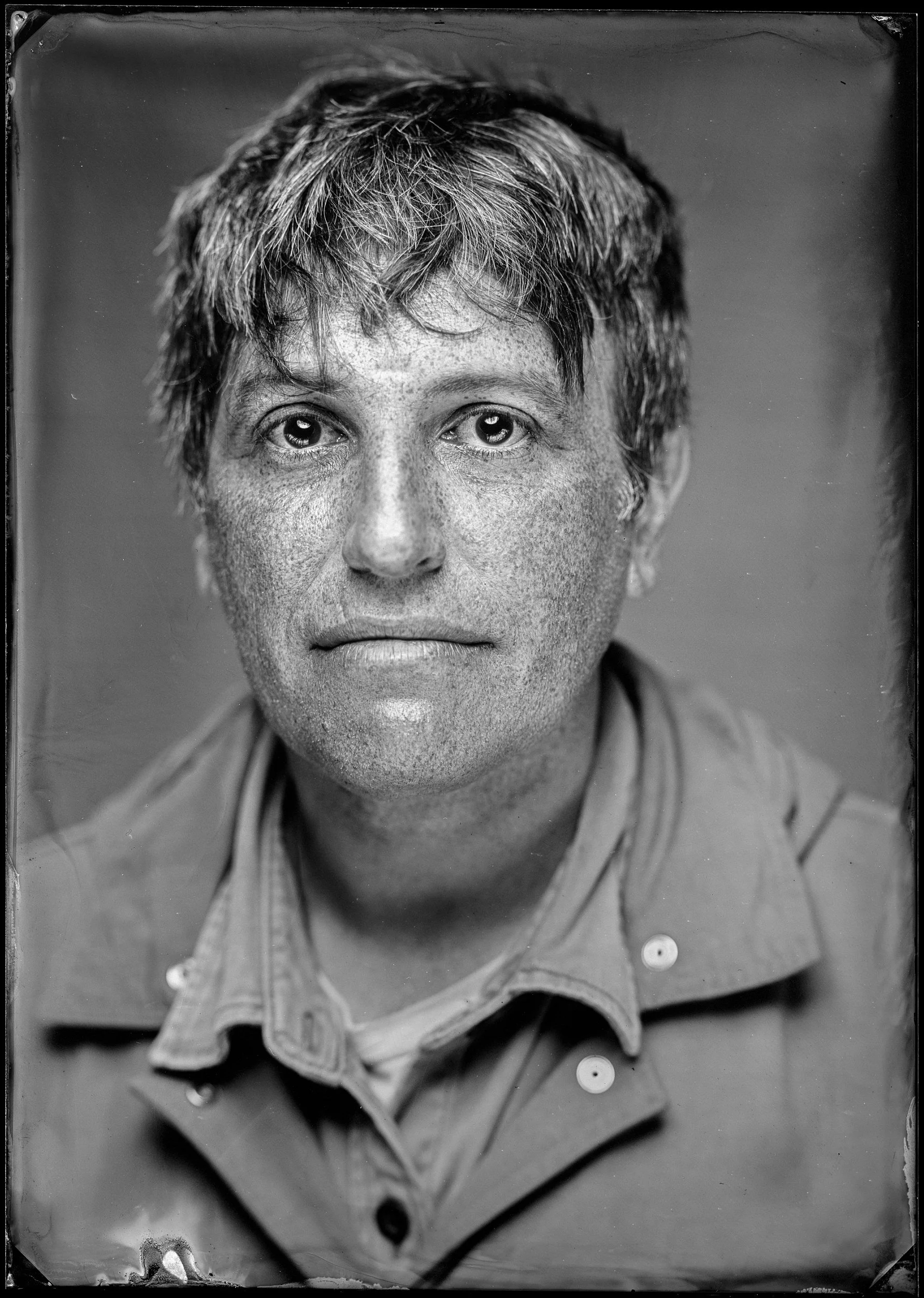
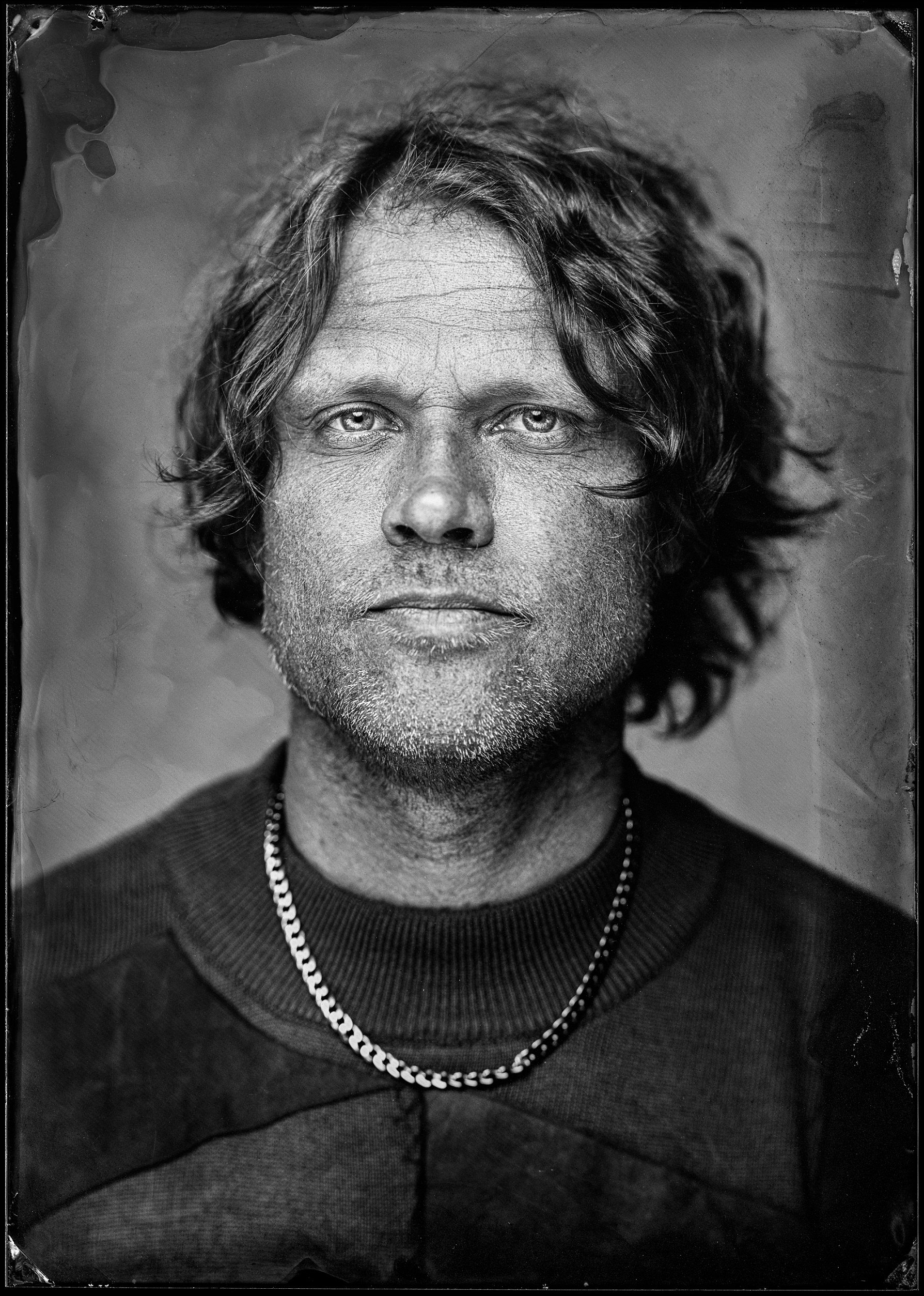
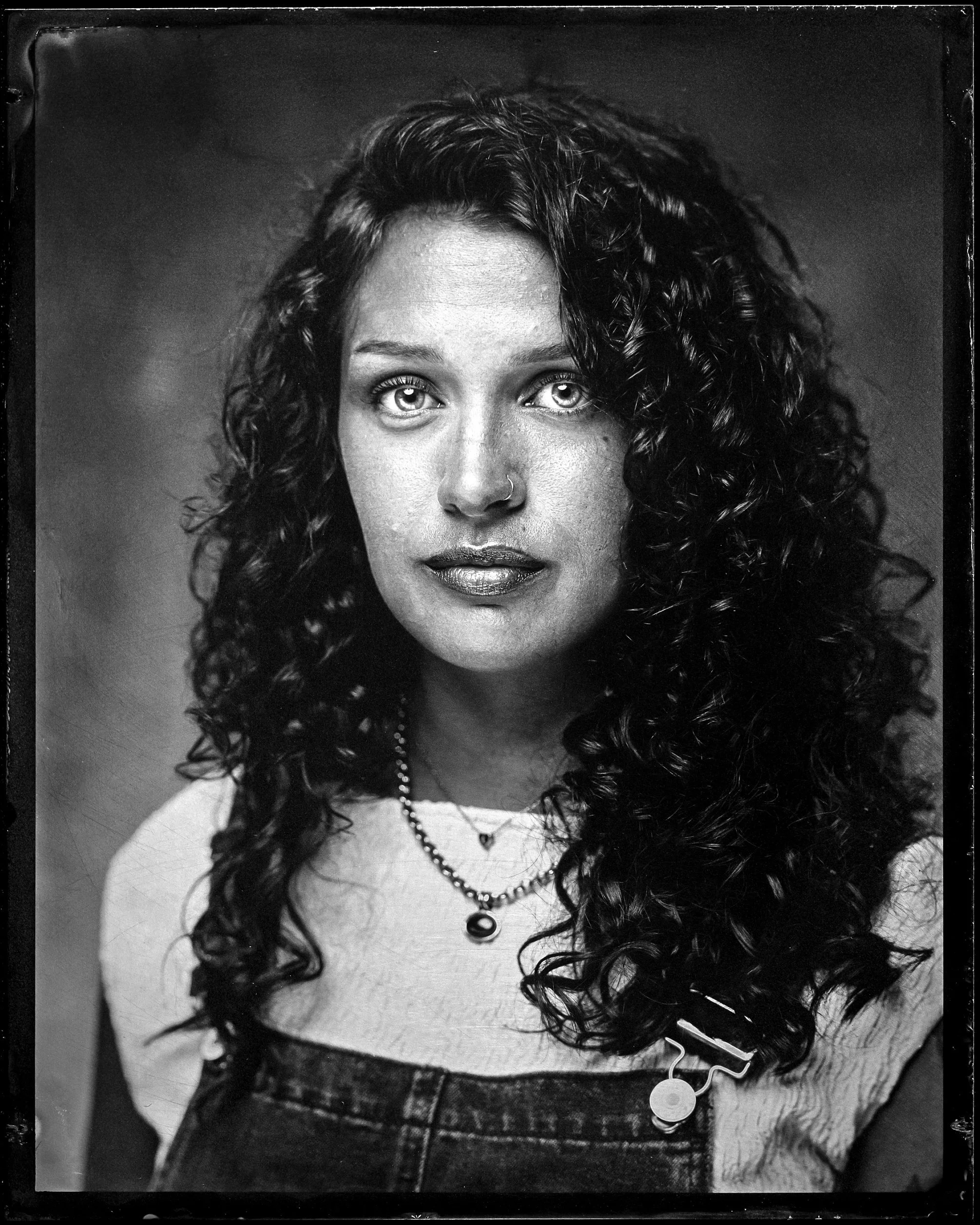
Natural Light
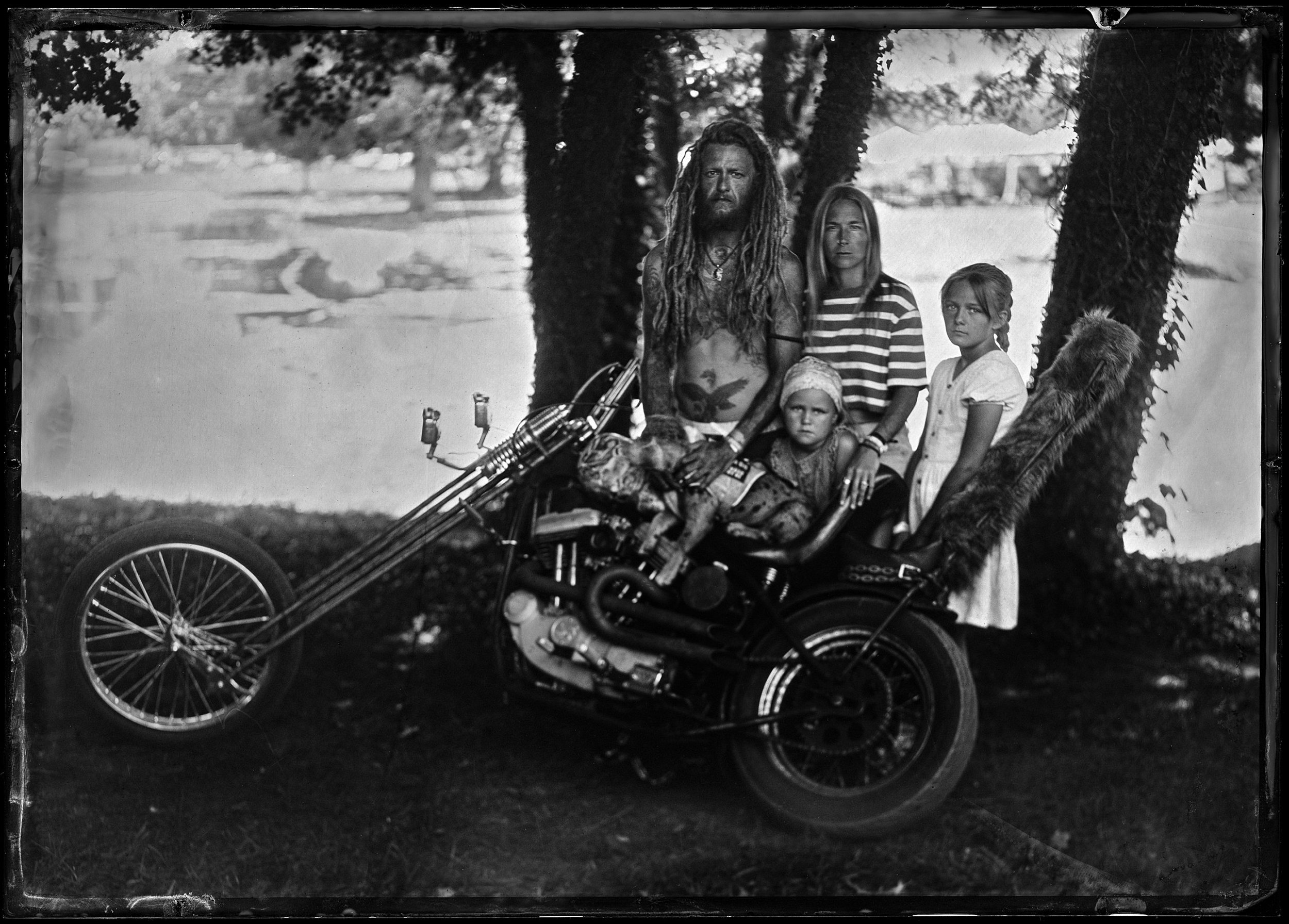
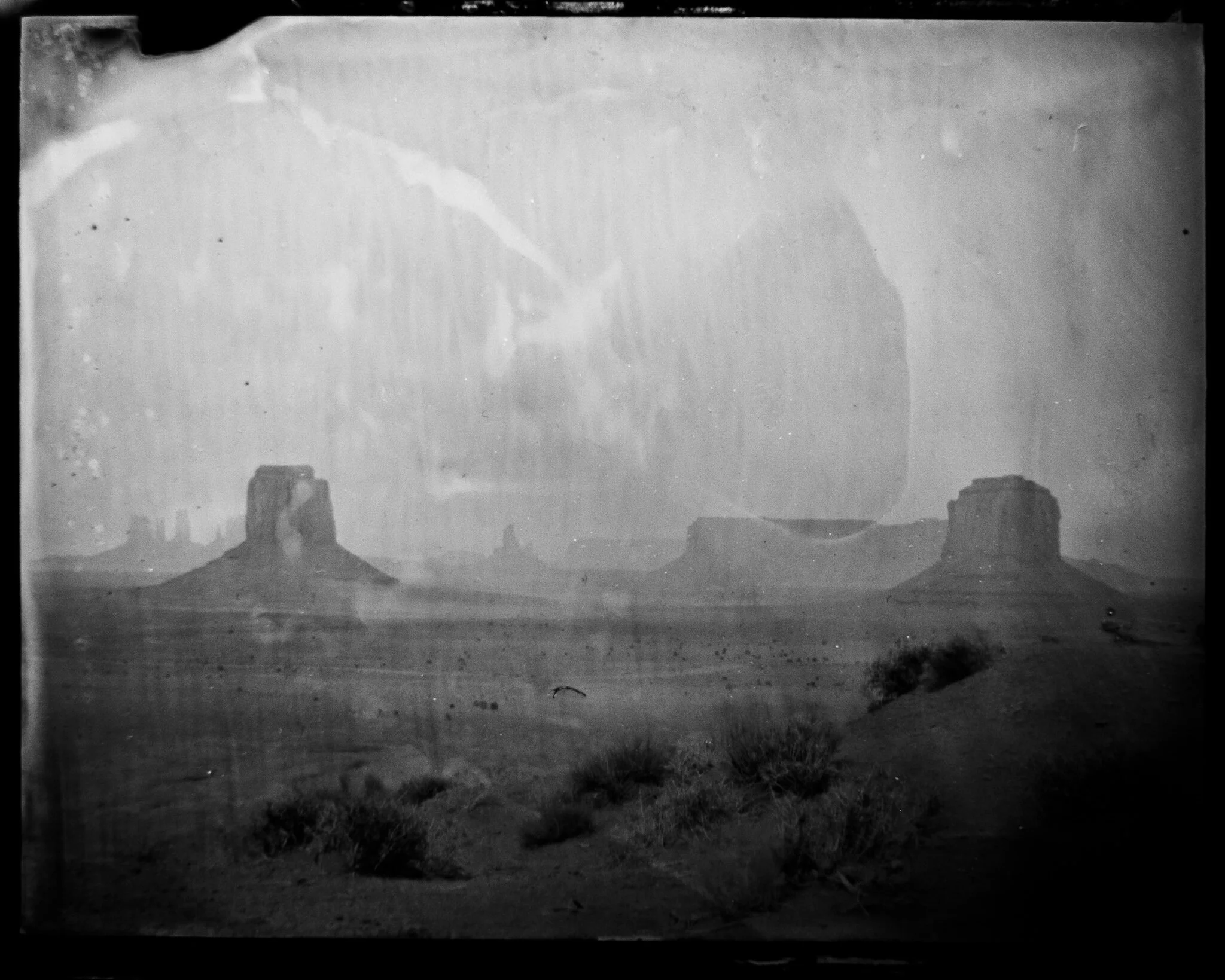
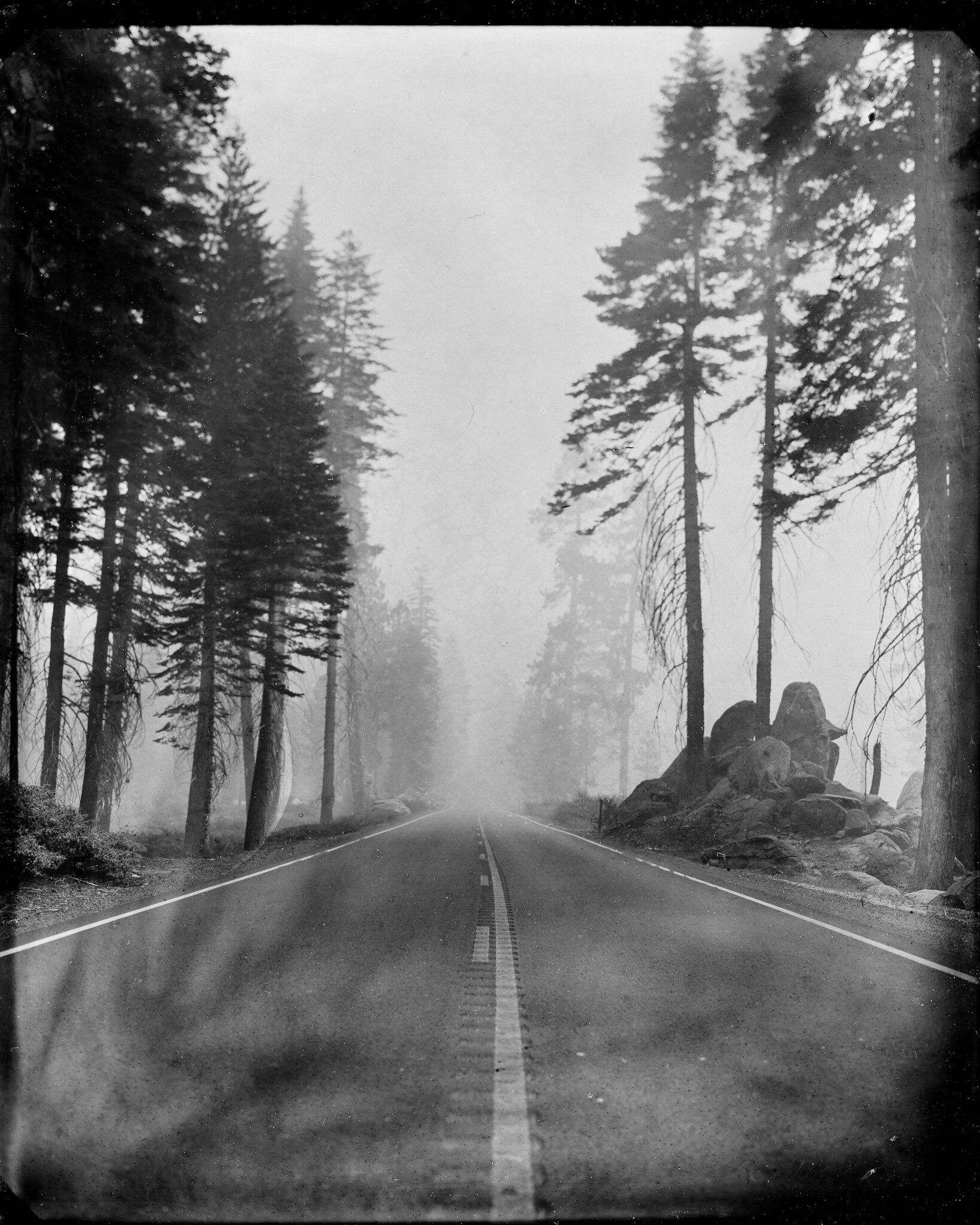
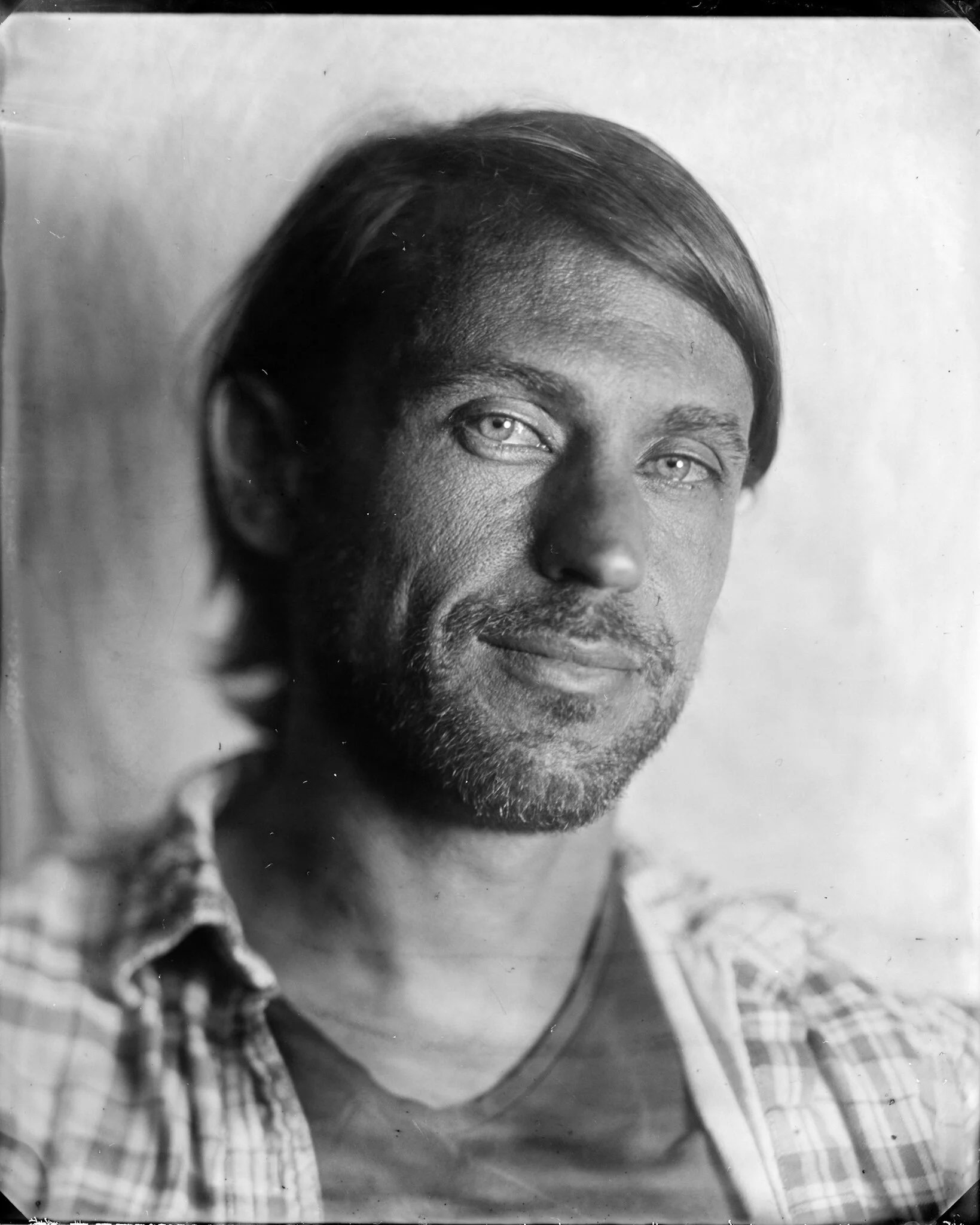
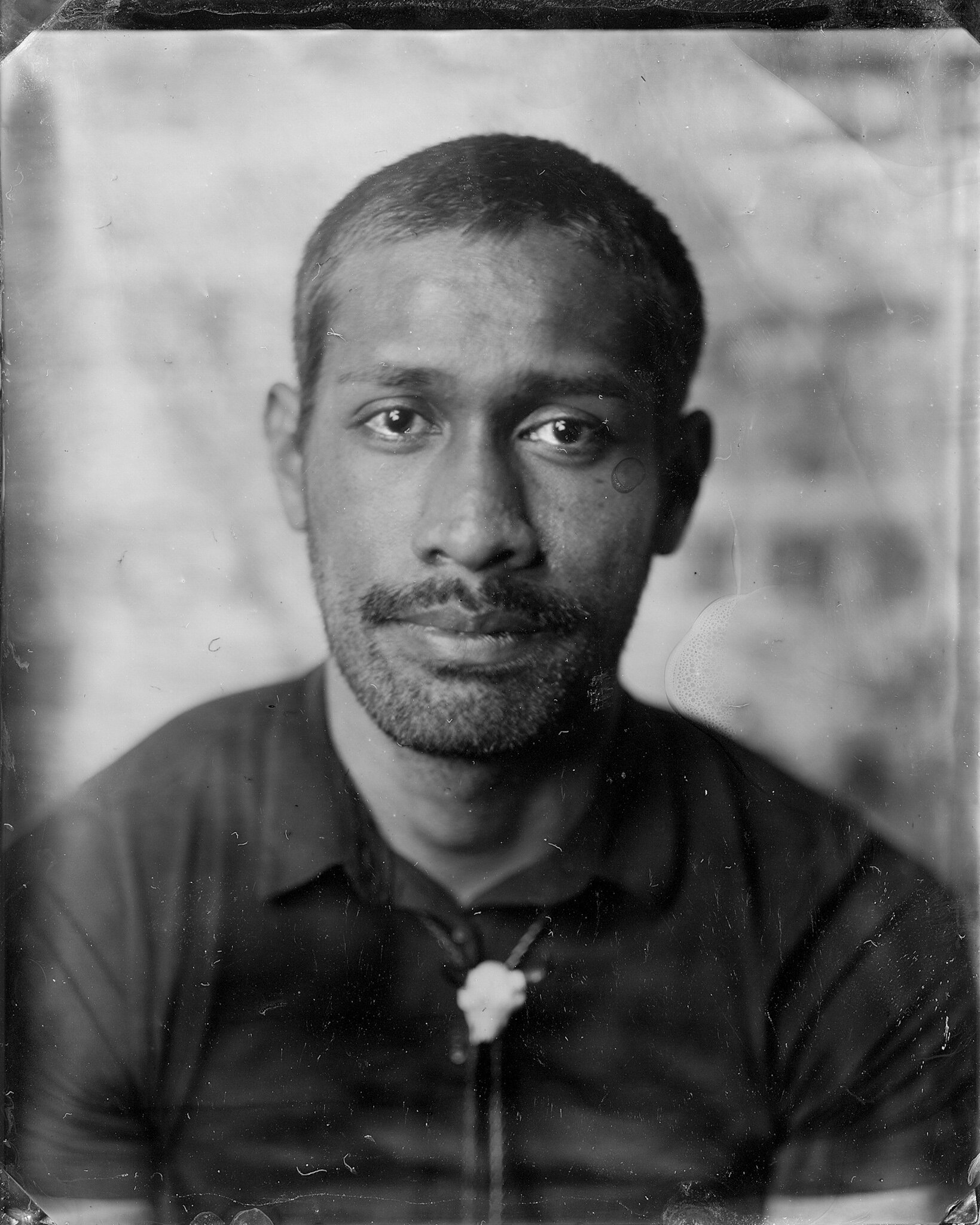
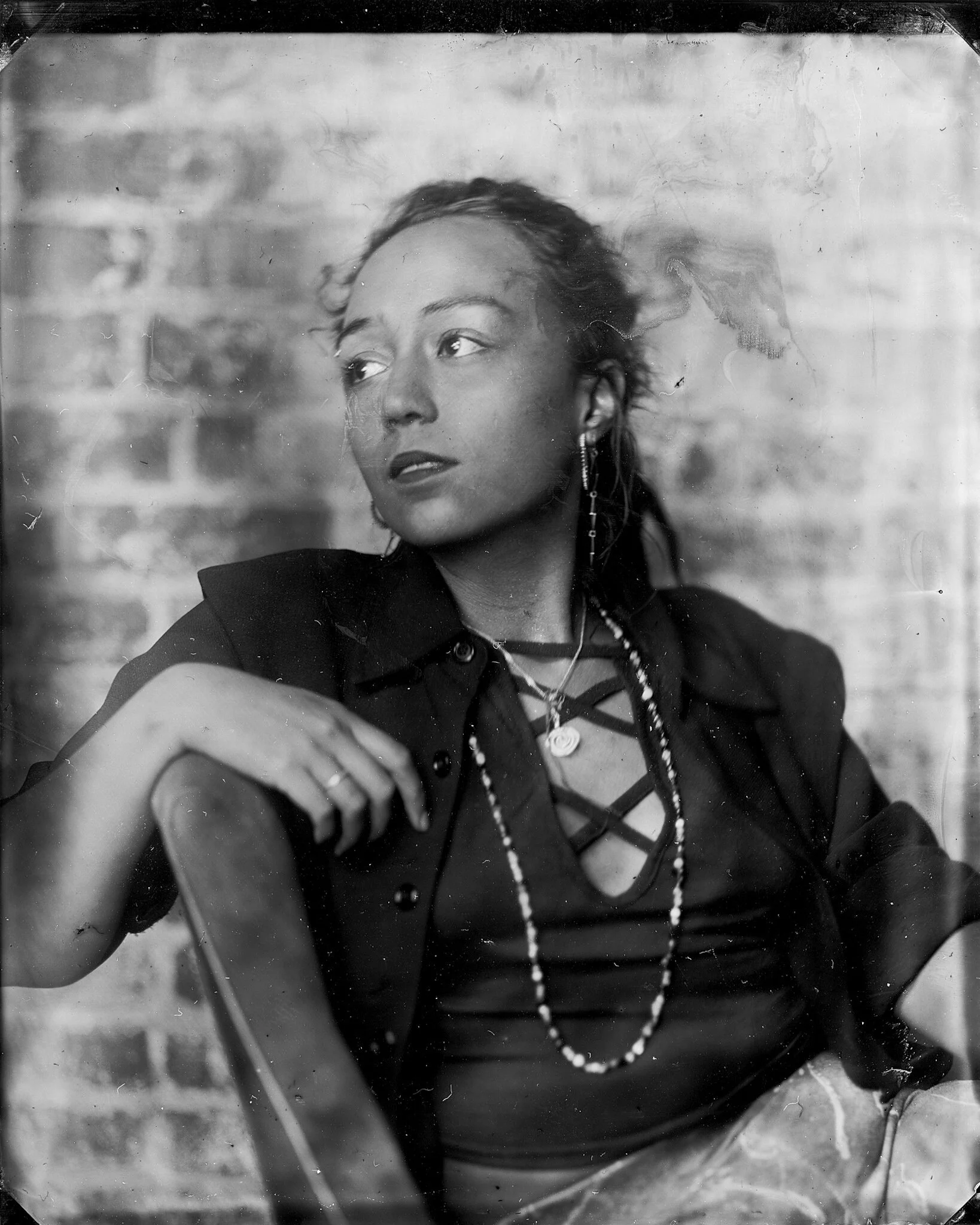
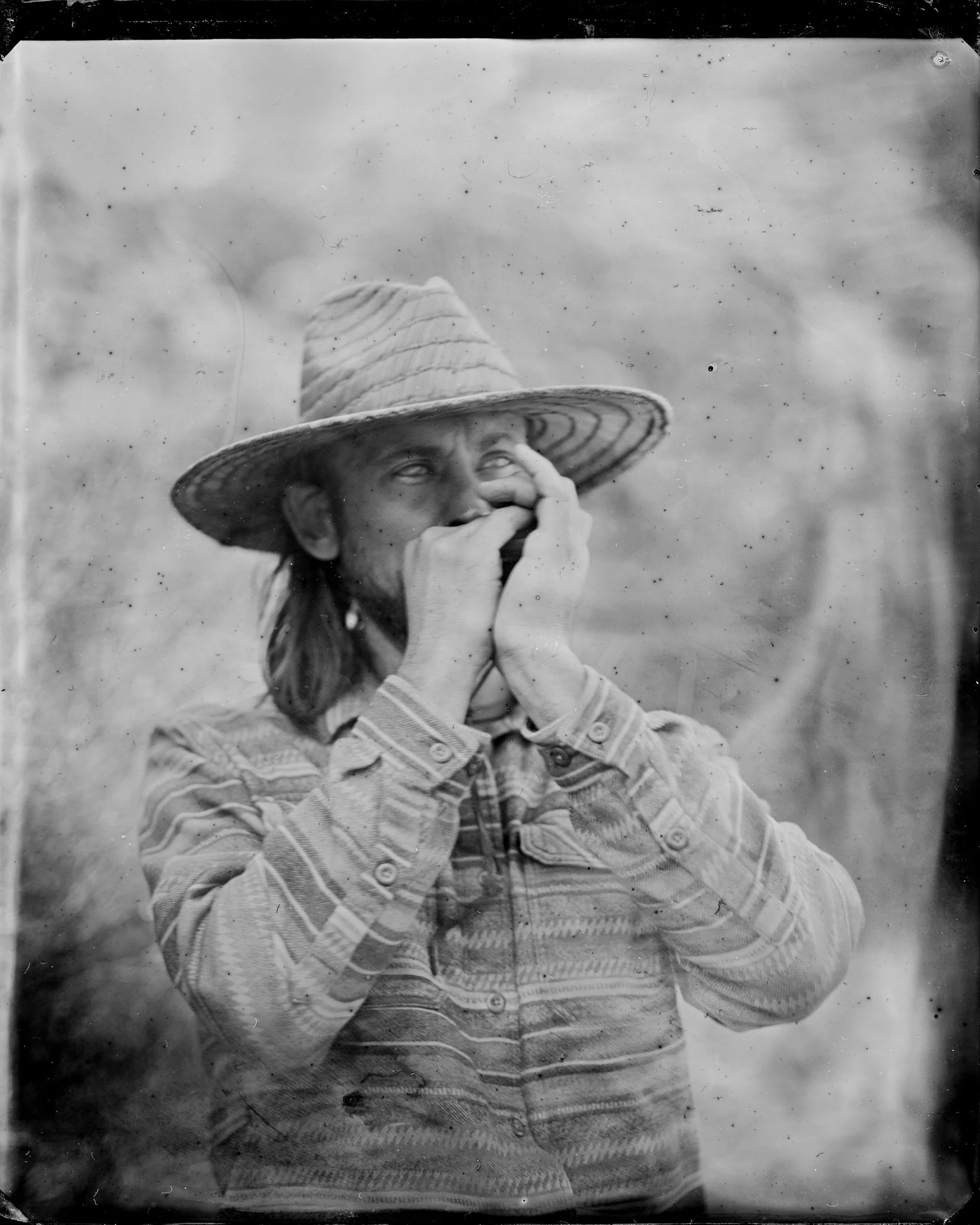
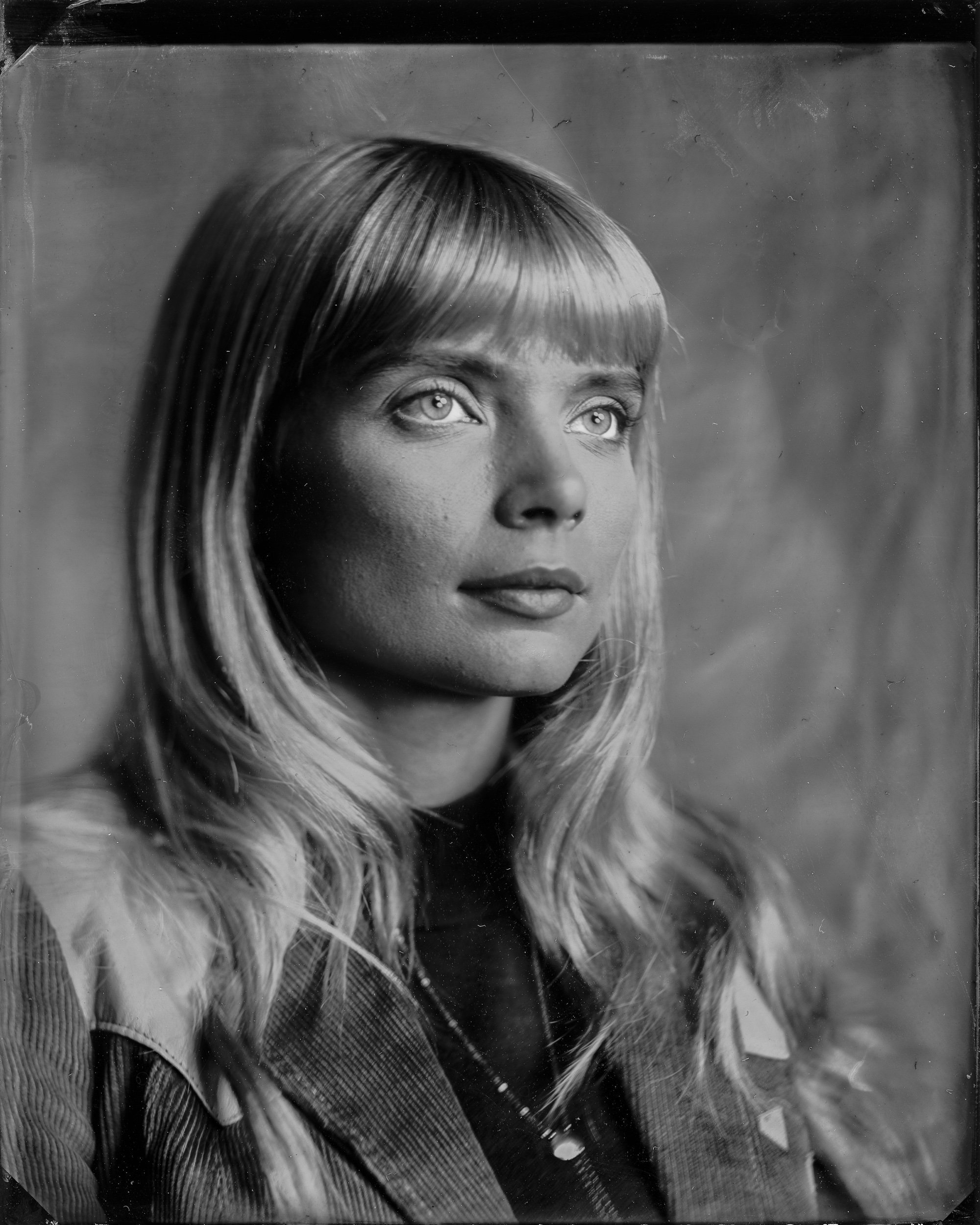
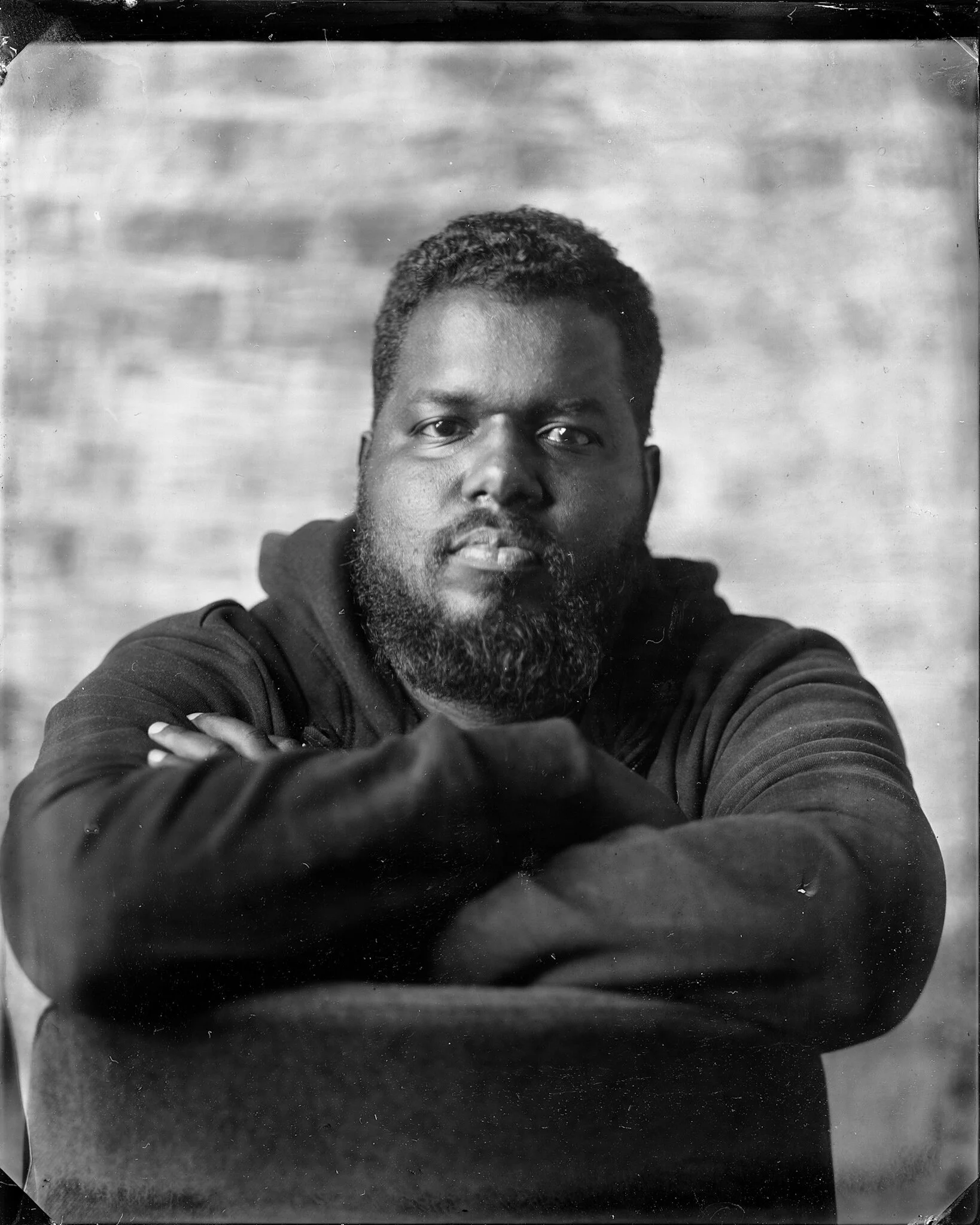
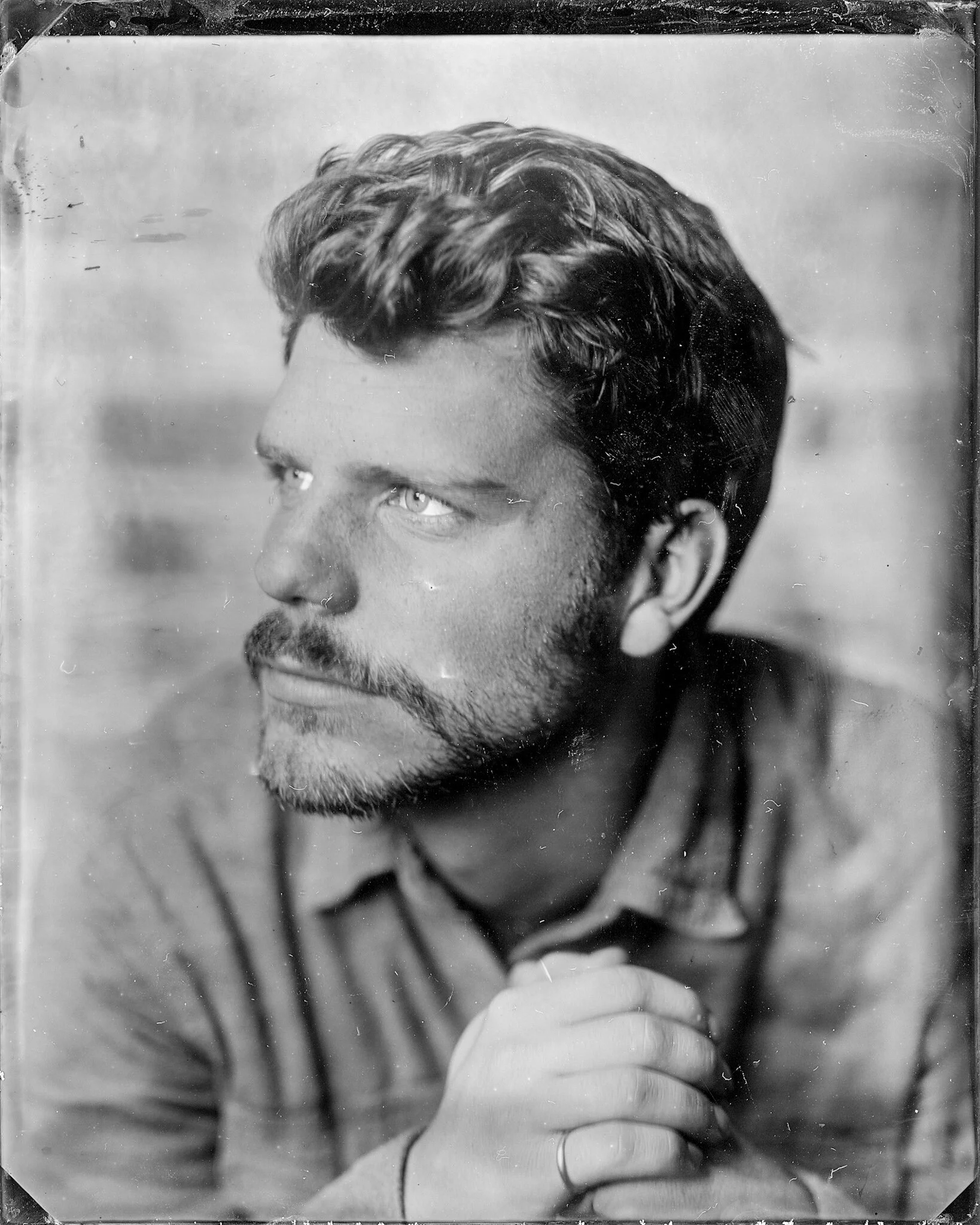
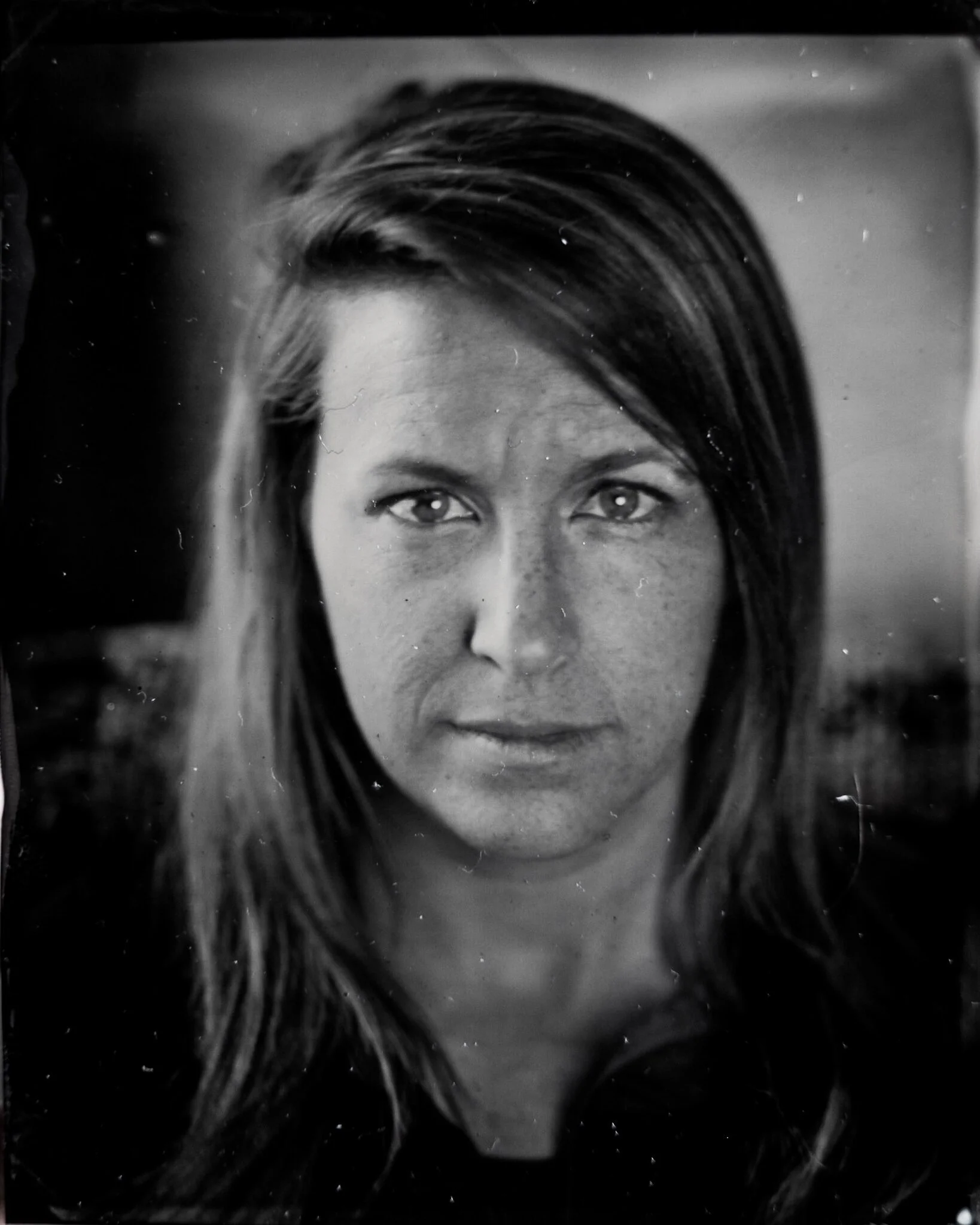
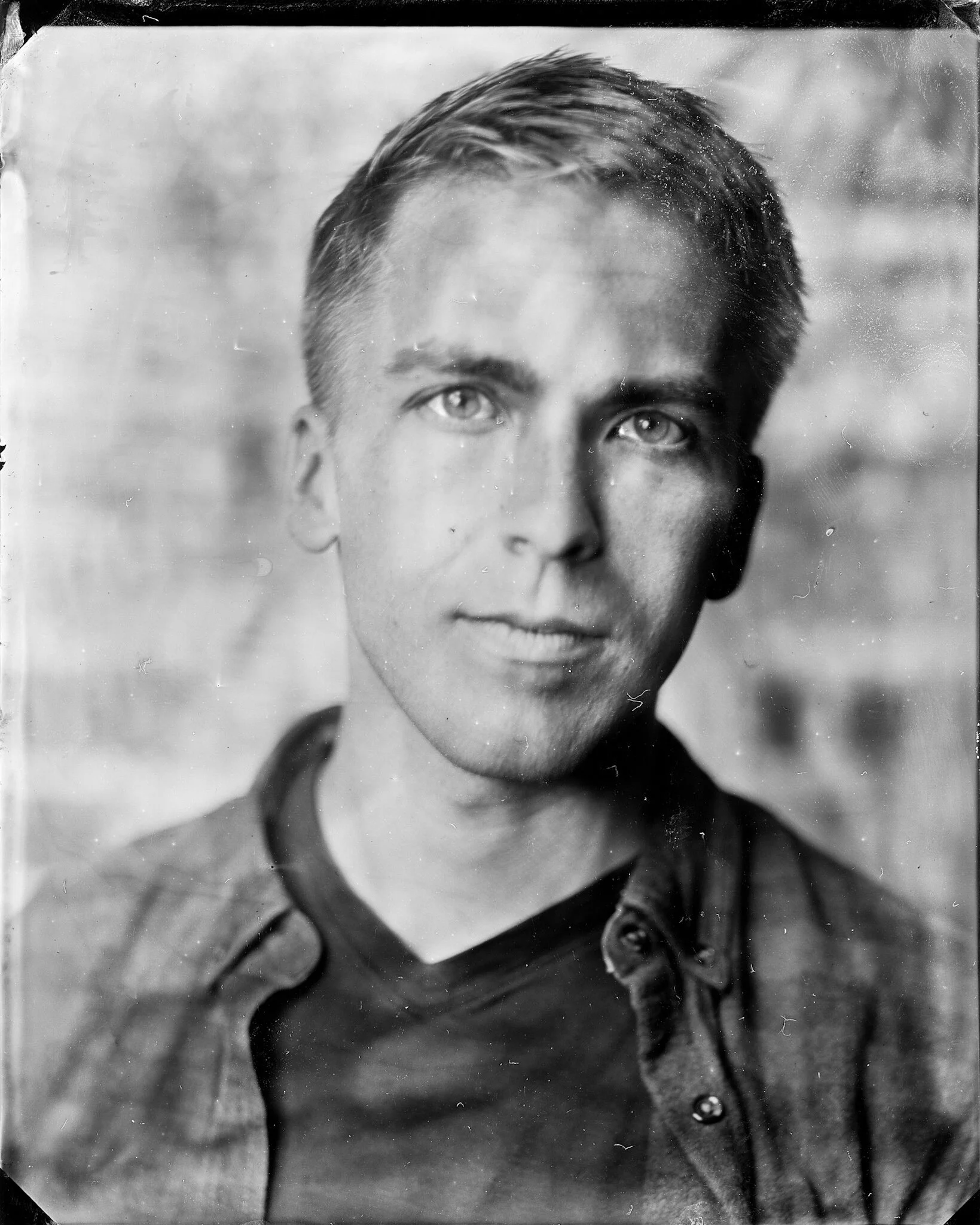
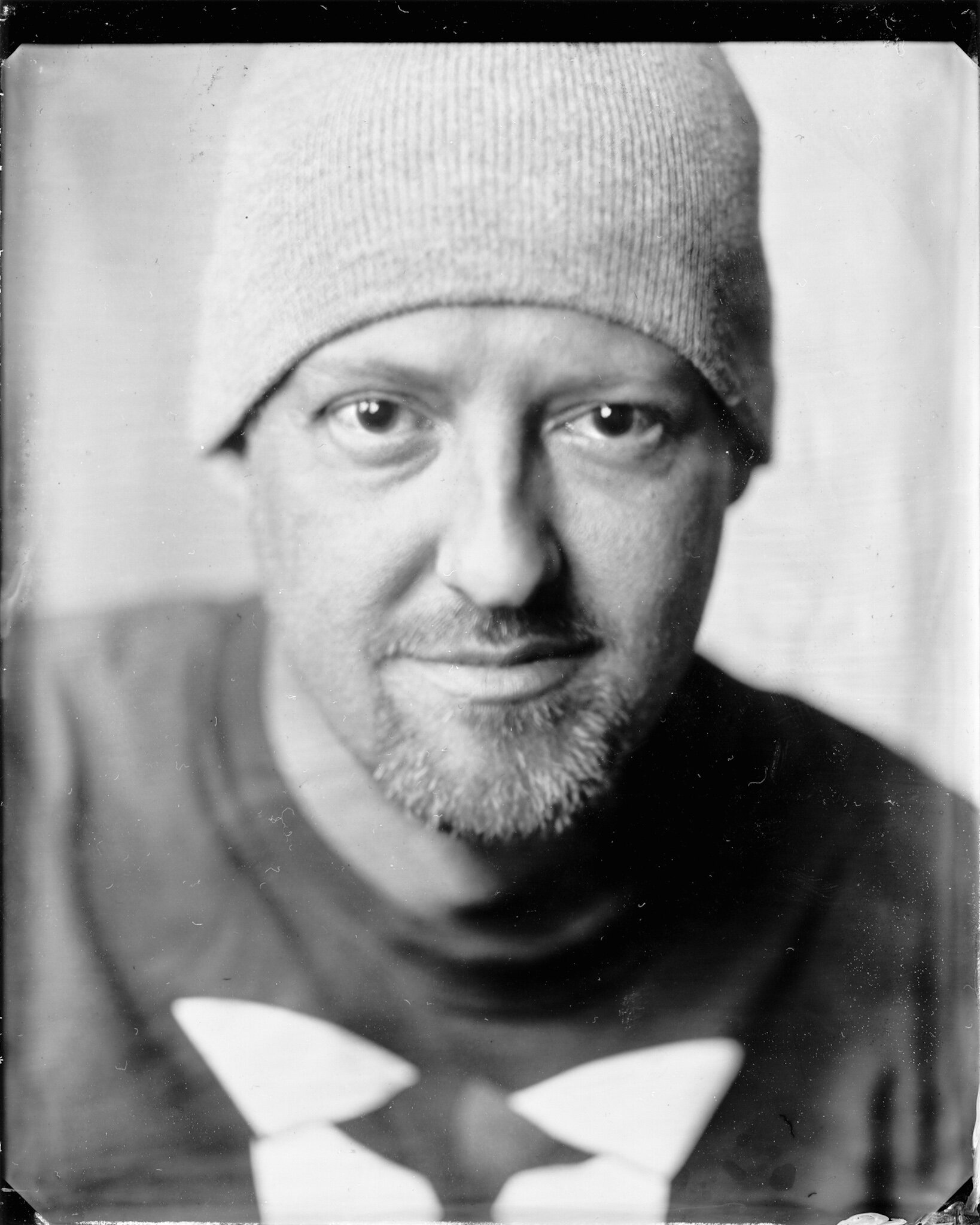
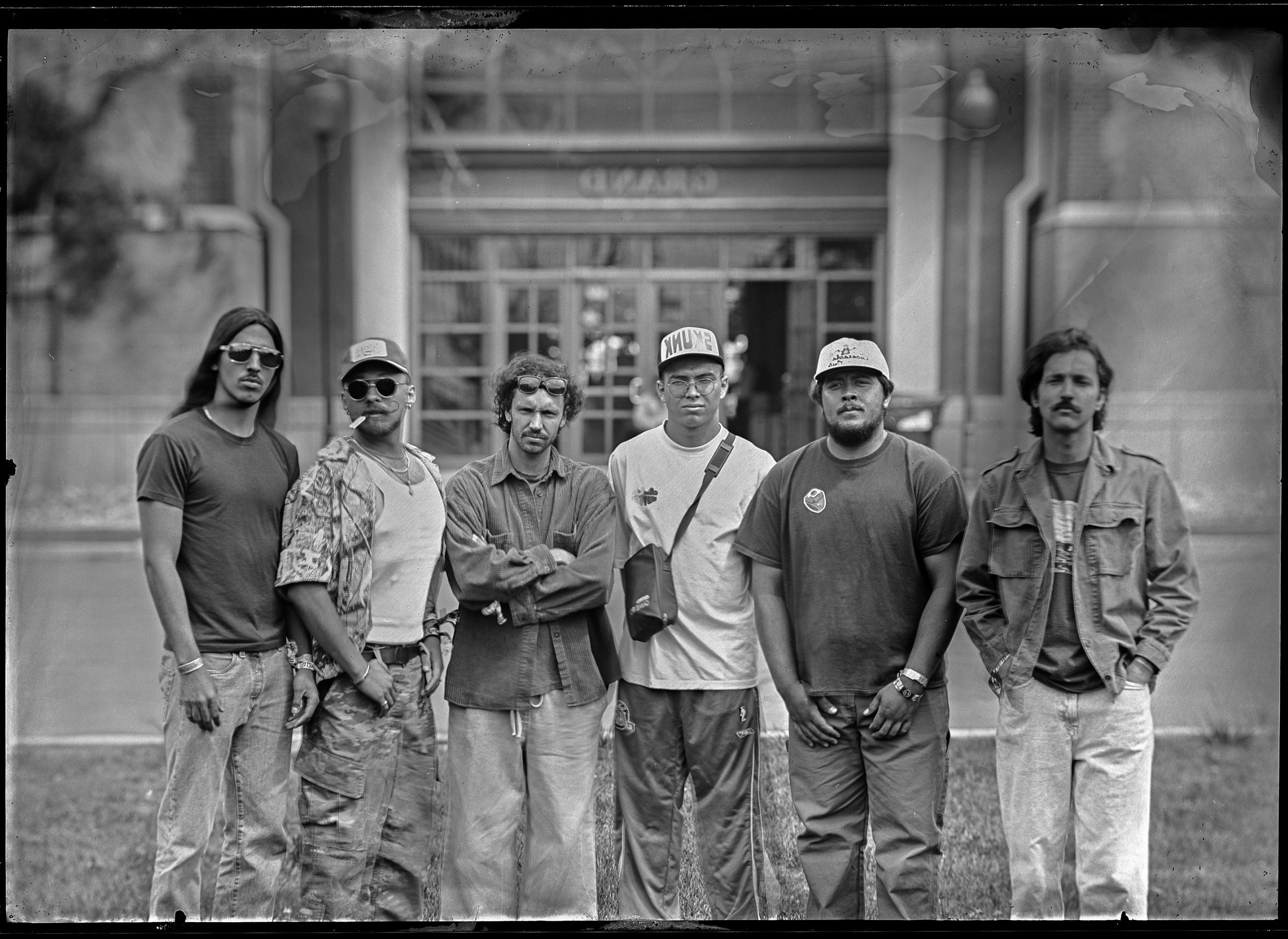
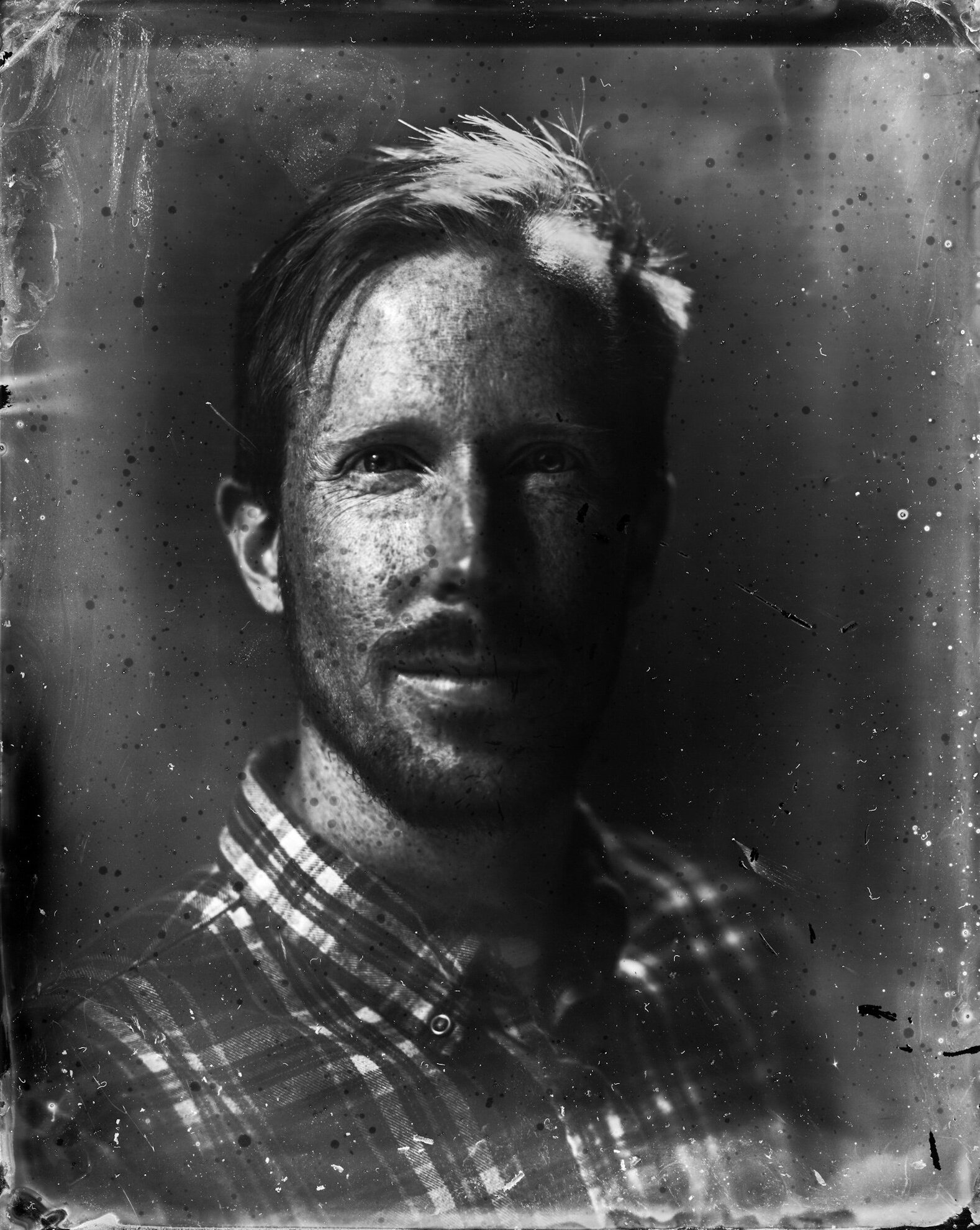
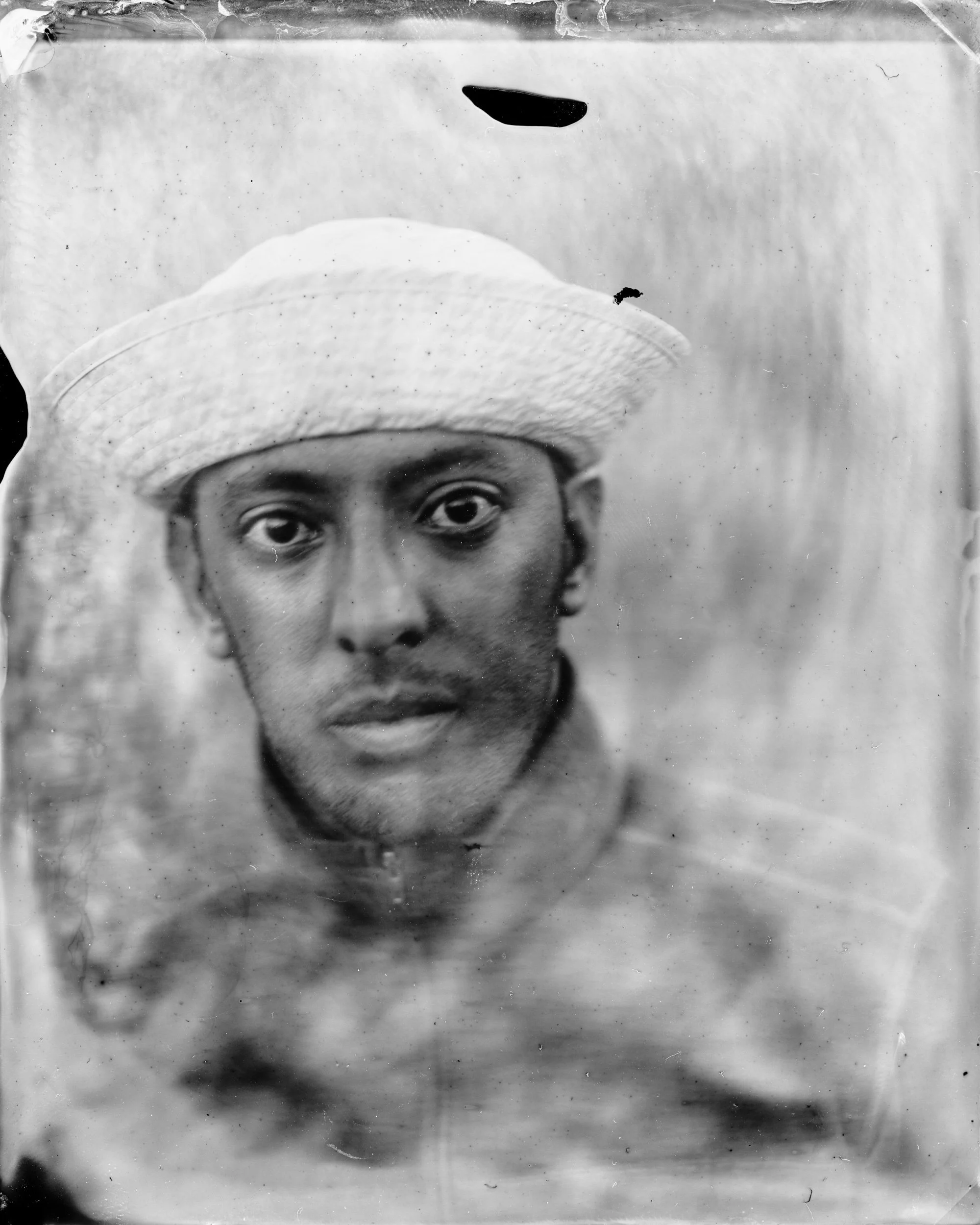
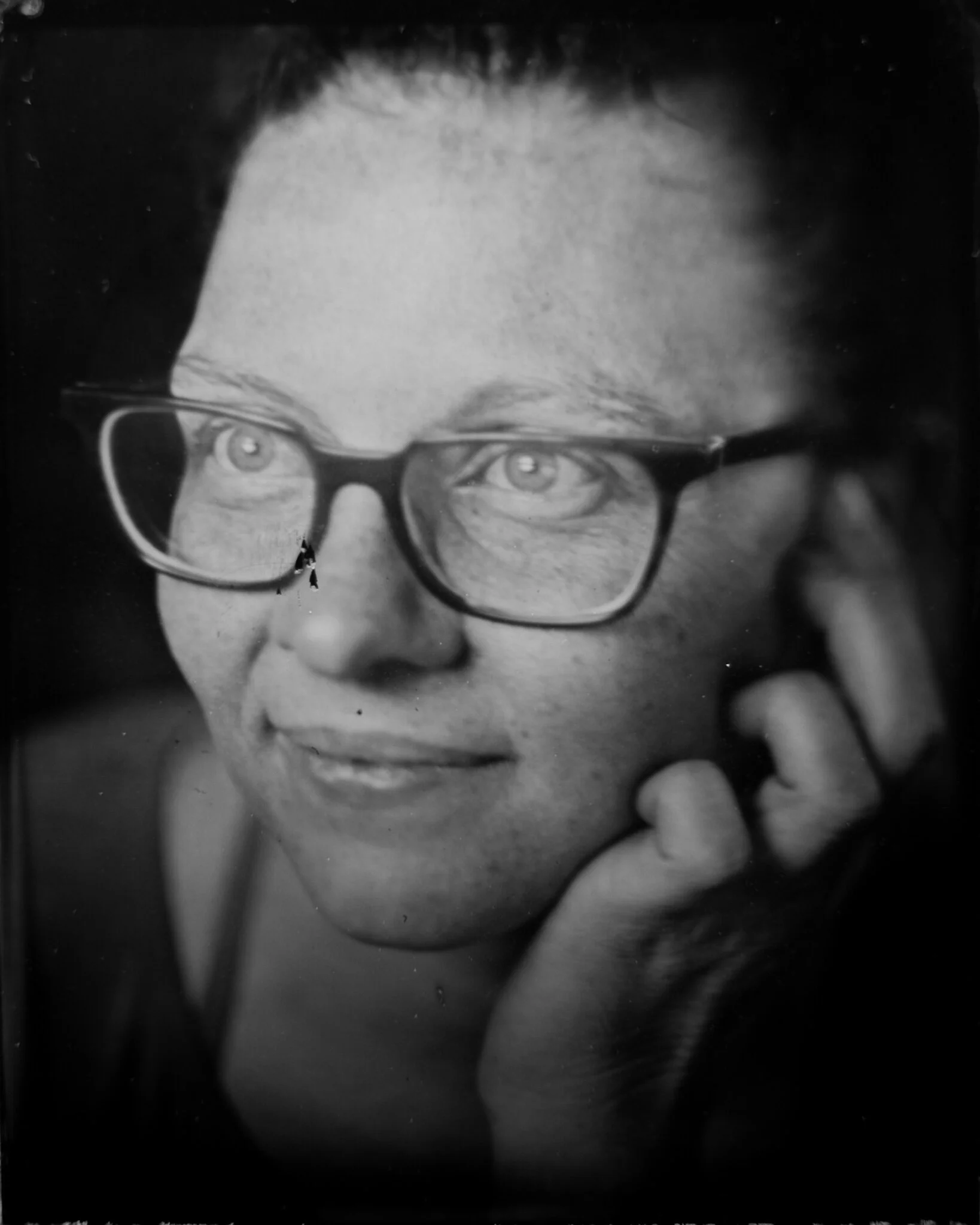
Ask someone to hold still for ten seconds and watch what happens. Wet plate collodion is roughly a thousand times less sensitive than a modern sensor; in the studio I solve that with strobes, but outdoors on daylight alone there is no solving it — only the sun, whatever it is doing that hour, and an exposure measured in seconds. That constraint is the whole appeal. A ten-second portrait is not a moment caught, it is ten seconds of a person averaged together, and faces go still in a way they never do for a fast shutter. Every location plate means carrying a portable dark box and enough water to wash a plate, working inside the ten or fifteen minutes before the collodion dries. I have made plates in a dust storm in Monument Valley and in wildfire smoke in Yosemite; neither was planned. Bad light is not always bad — smoke is an enormous diffuser, and an overcast sky is the largest softbox available.
Browse my portfolio
Testimonials
What you get
The physical plate, plus a digital scan sized for wherever you need to use it. The scan is what you send; the plate is what you keep. A tintype reads as a photograph rather than a filter at any size, and prints as well as it posts. A tintype also crops perfectly well to a square profile photo.
What to expect
Sessions run 1.5 to 3 hours depending on how many plates you want.
You watch the plate appear — the final stage of development happens in the studio, right in front of you. The darkroom itself stays closed: it is small, and the chemistry is not something to stand next to.
You keep the actual plate: silver on blackened metal, one of a kind, with no negative.
Every plate is scanned, and the process is filmed. Digital files and video are available as an add-on.
Plates are varnished with a traditional lavender-and-sandarac varnish and are archivally stable for well over a century.