
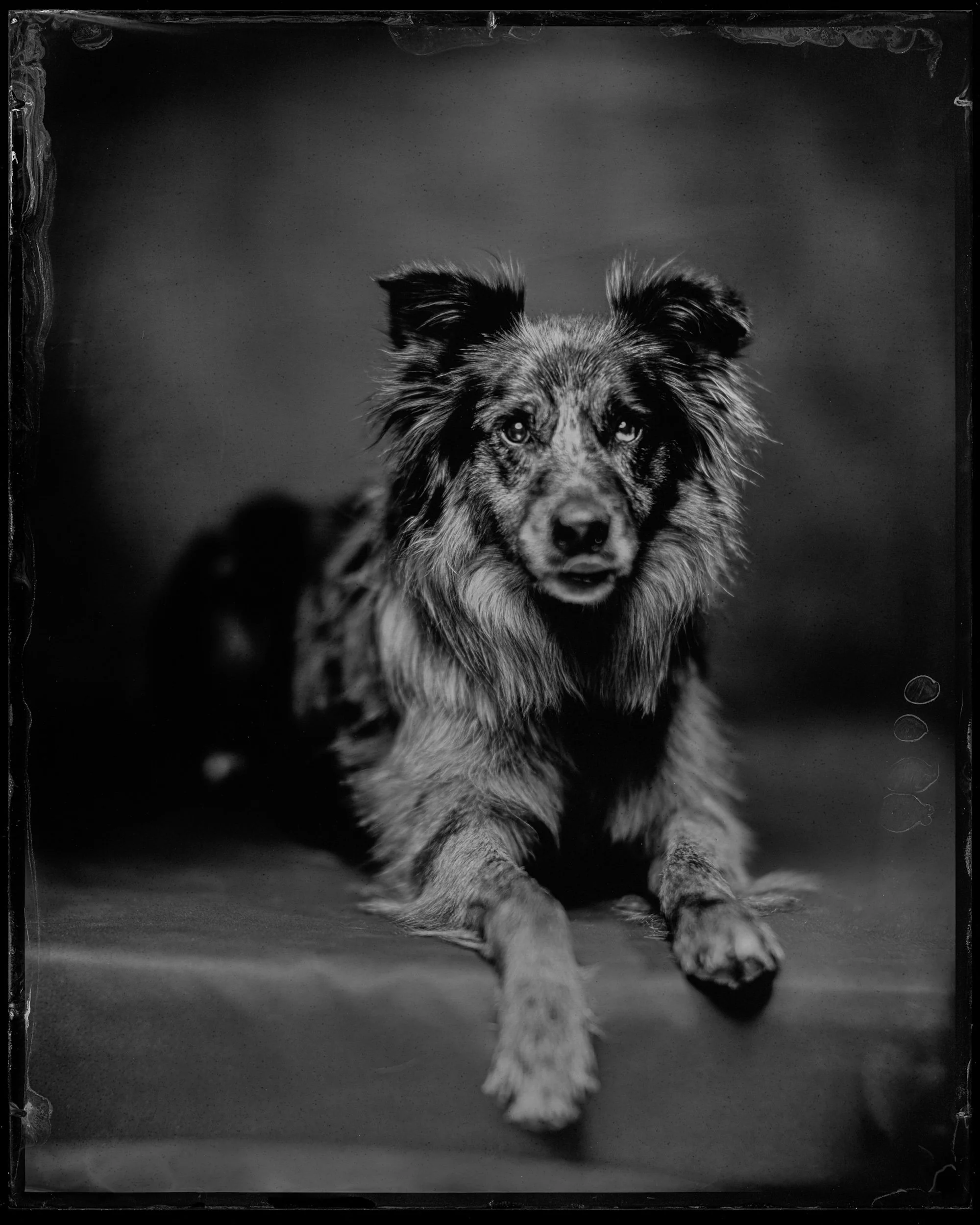
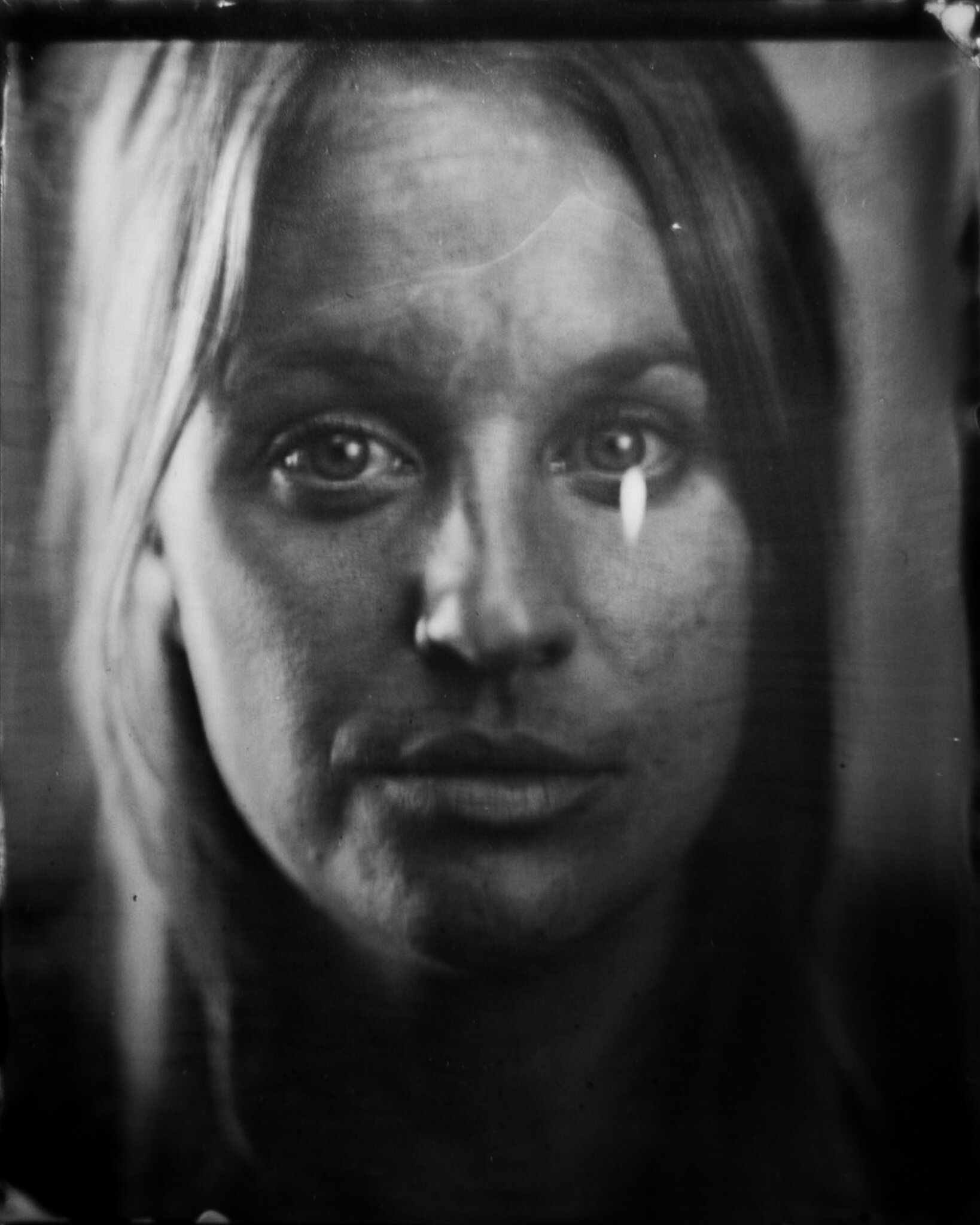
An early one. Every mistake I made is still in the silver, which is why this page exists.
My Tintype Journey — 2016 to Now
This is the long version. It starts badly on purpose.
I made my first tintype in 2006, a year after falling in love with large format portraiture — though what I actually shot was 8x10” and 4x5” Polaroid. In 2016 every large format Polaroid was discontinued, so I went back to wet plate collodion, where I mix the chemistry and pour the plates myself and nothing can be taken off the market.
That first plate took a twenty-second exposure and it was a mess. What follows is ten years of working a process a century older than the one I left — in public, one plate at a time, with every mistake still visible in the silver.
Wet plate is a simple idea and an unforgiving craft. The quality of the image depends on a dozen techniques that all have to go right at once. Each attempt is a performance, and the final plate shows every detail of that performance, flaws and all. That is the whole reason this page exists: the failures are the record.
2016–2017 — First plates
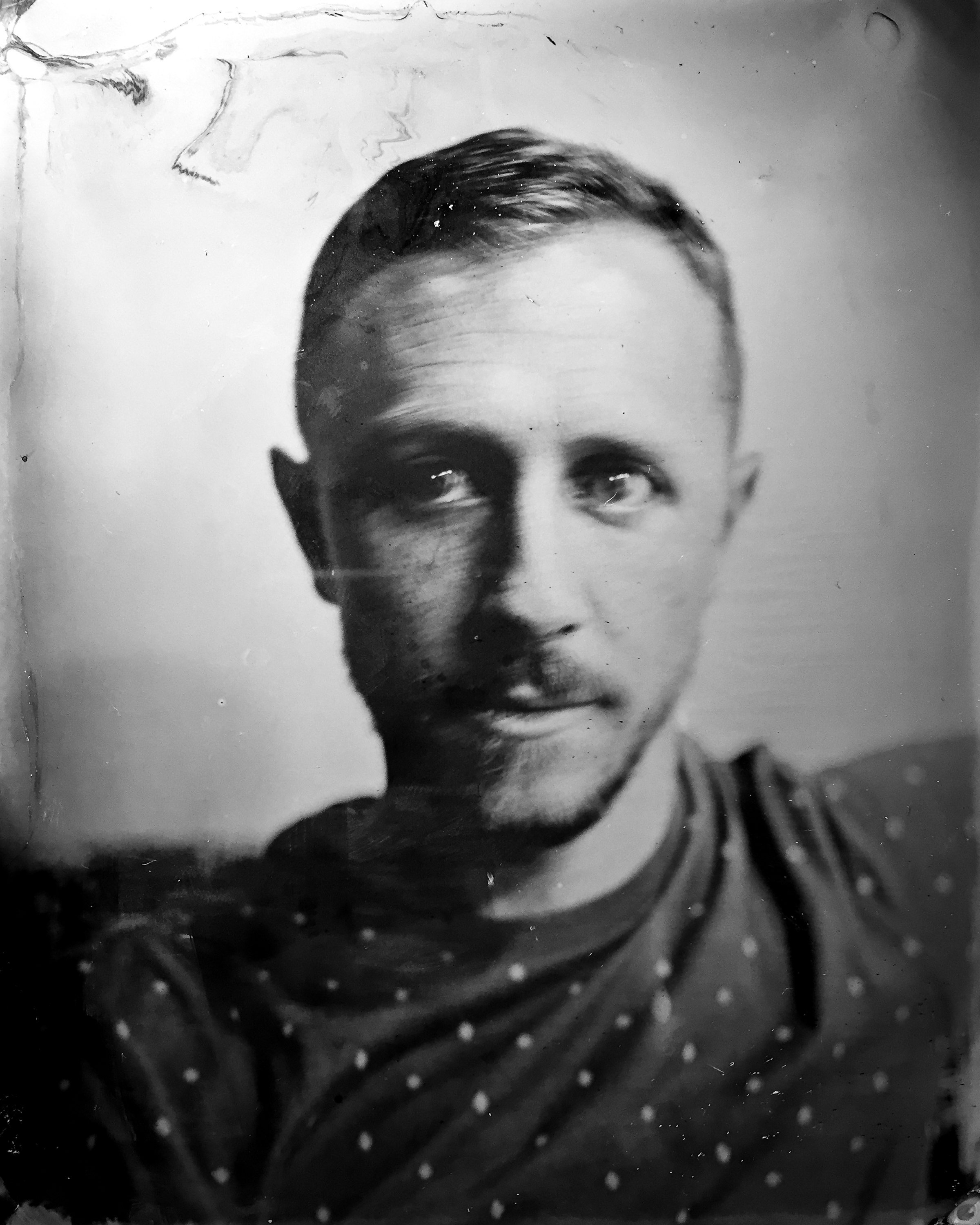
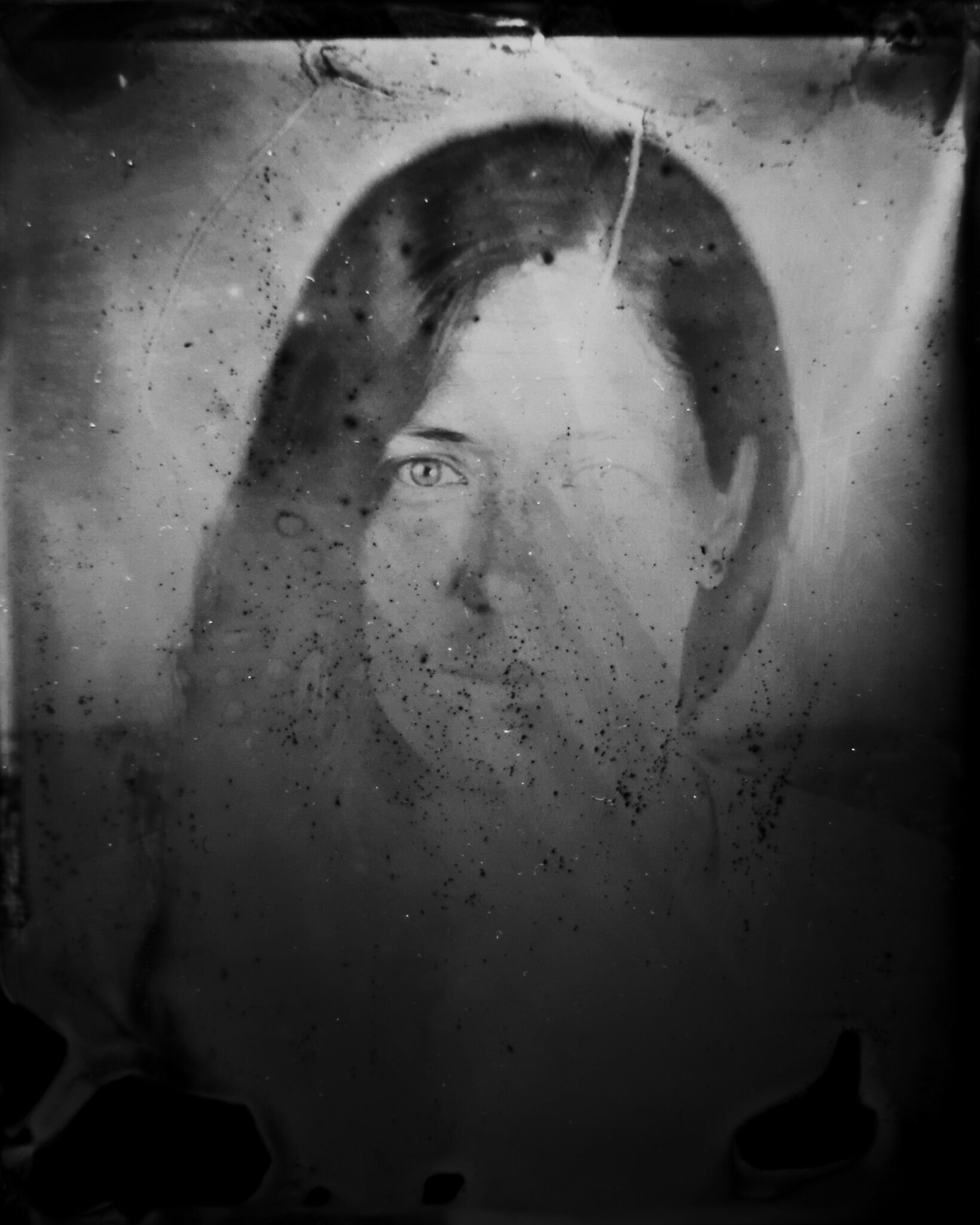
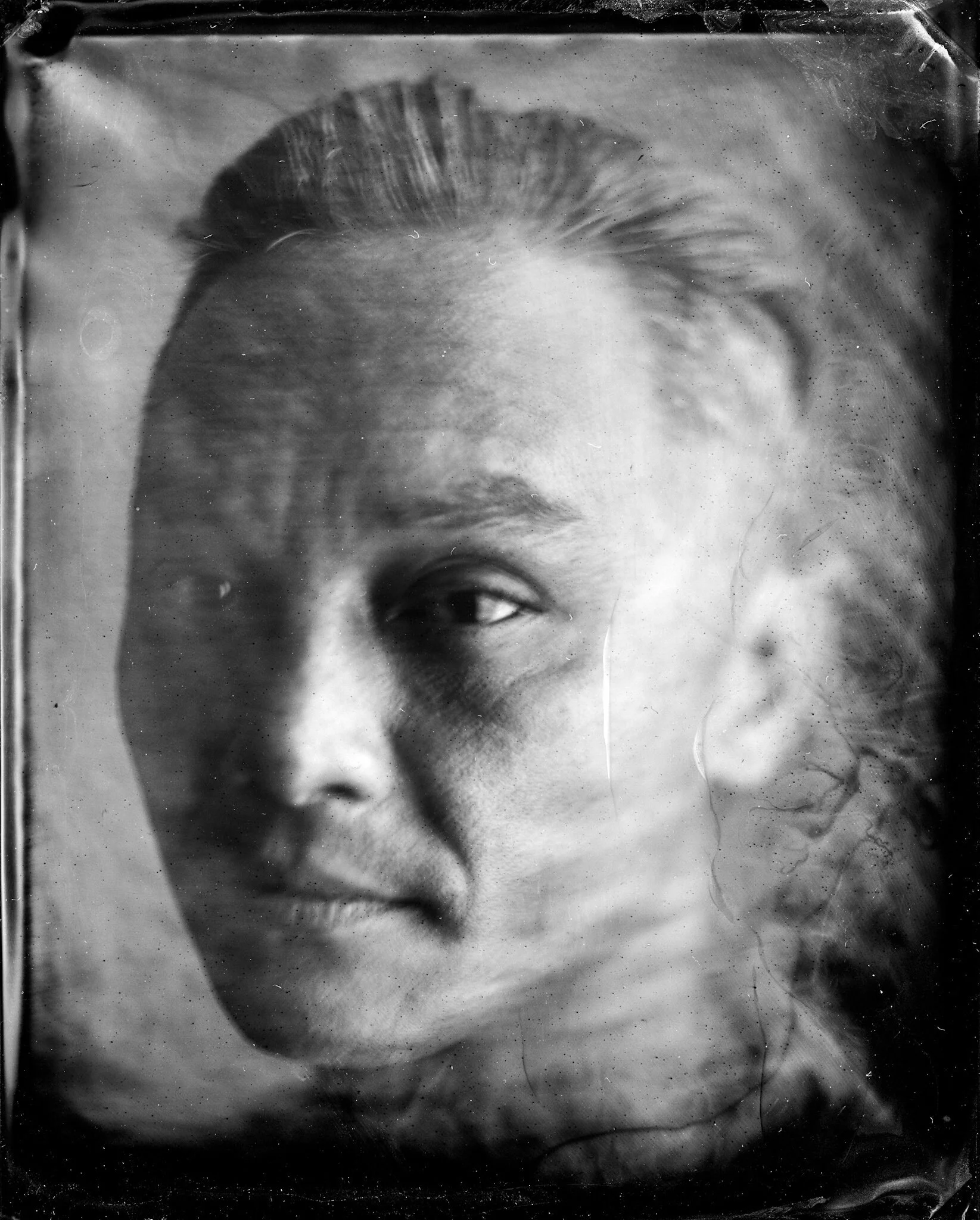
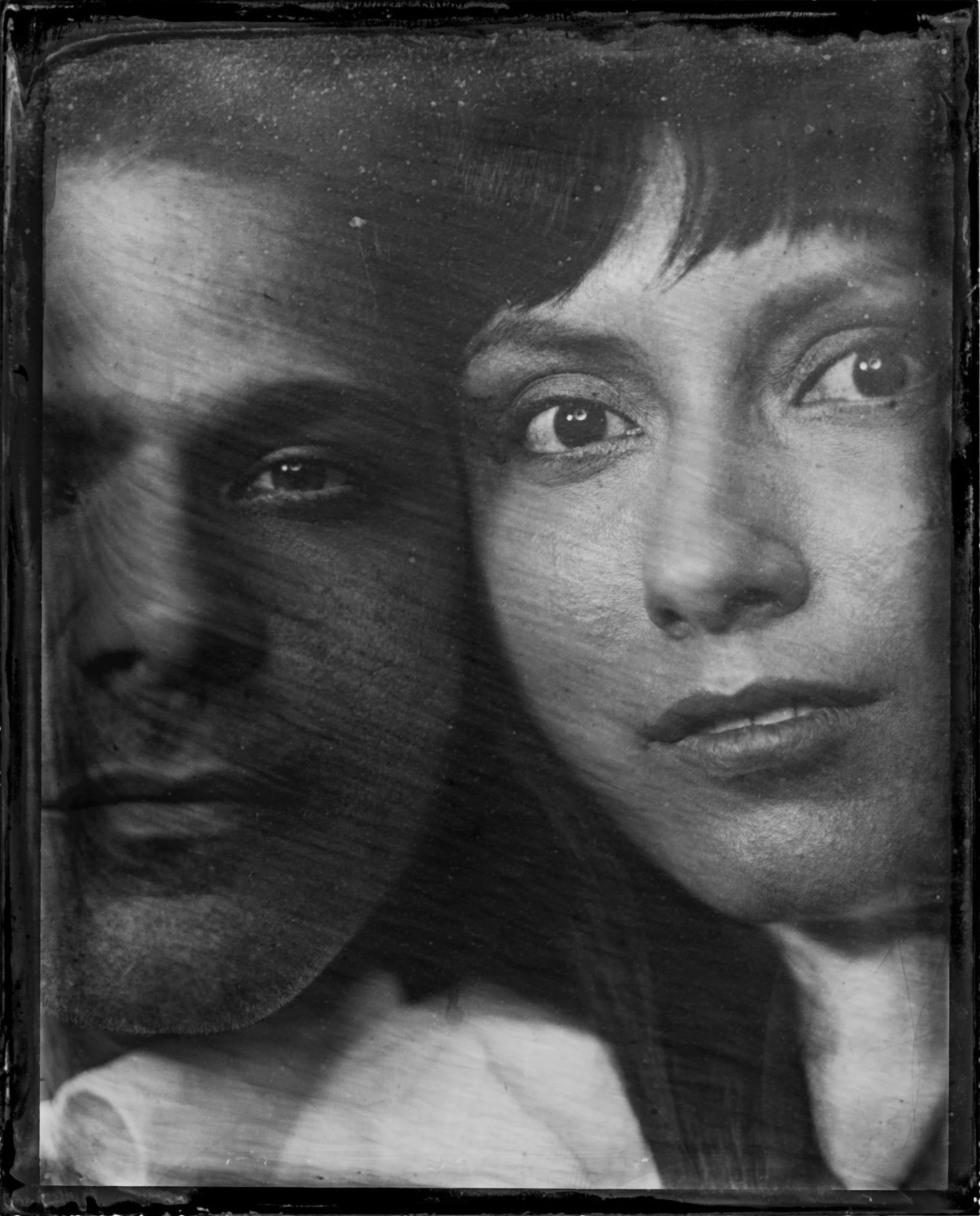
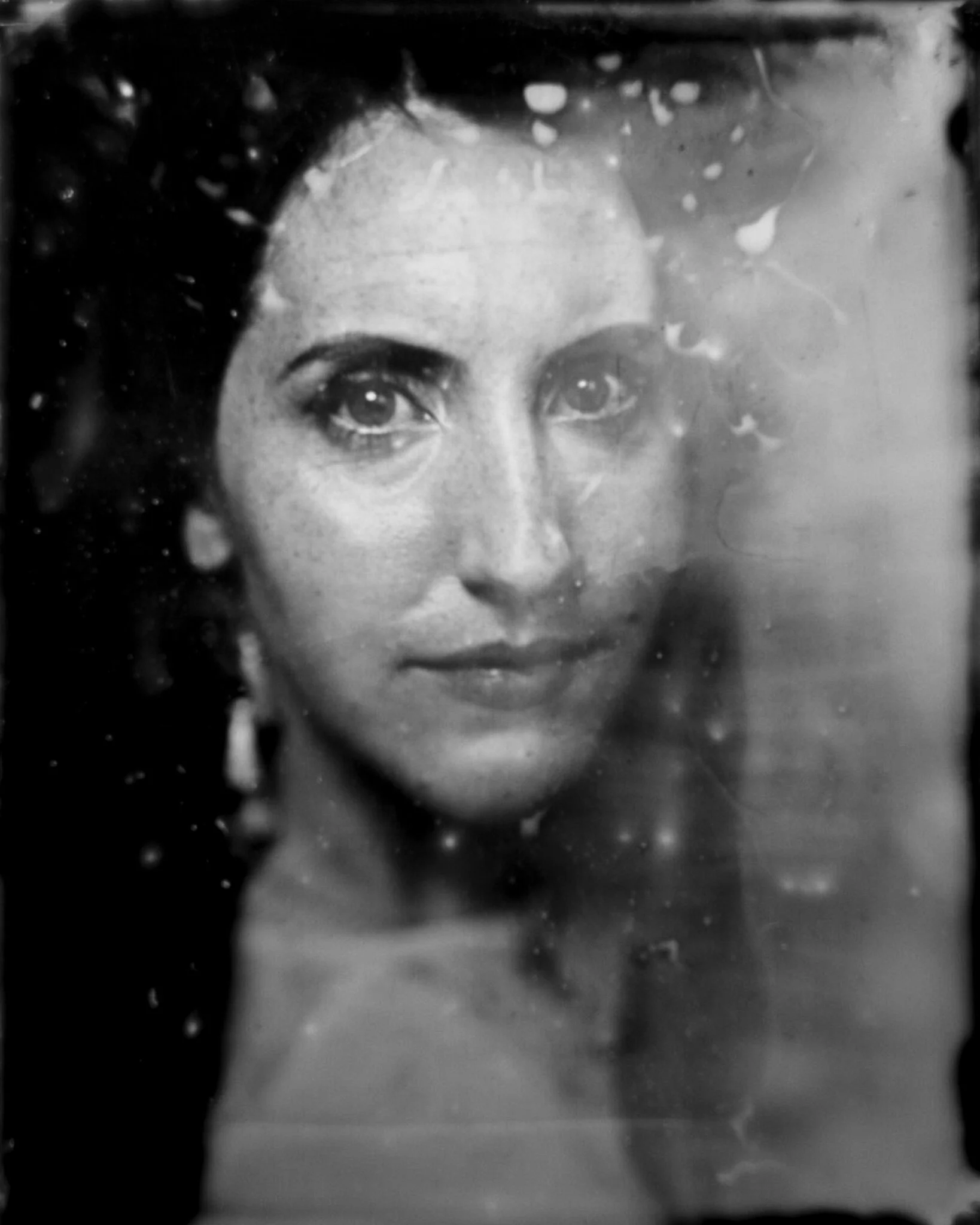
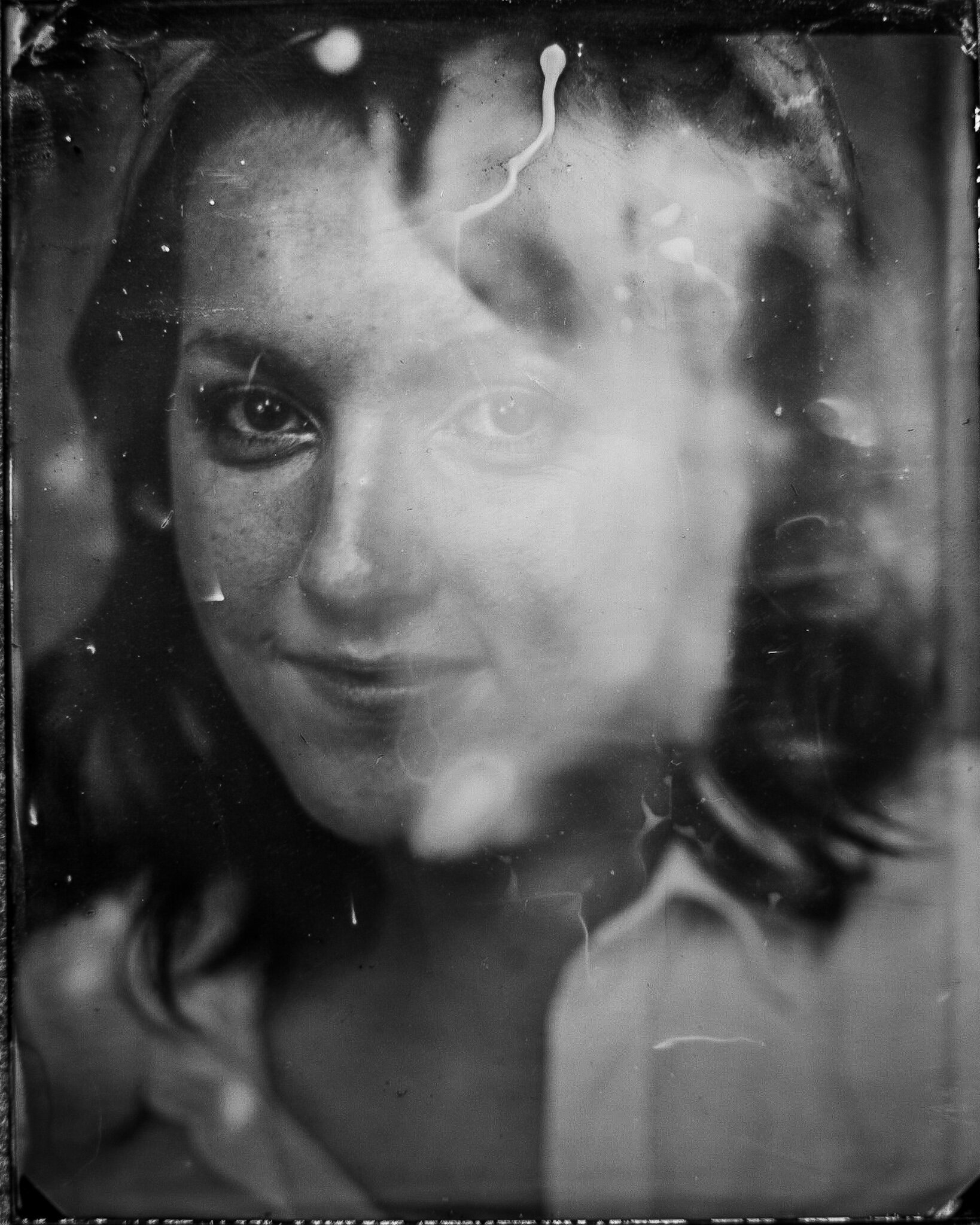
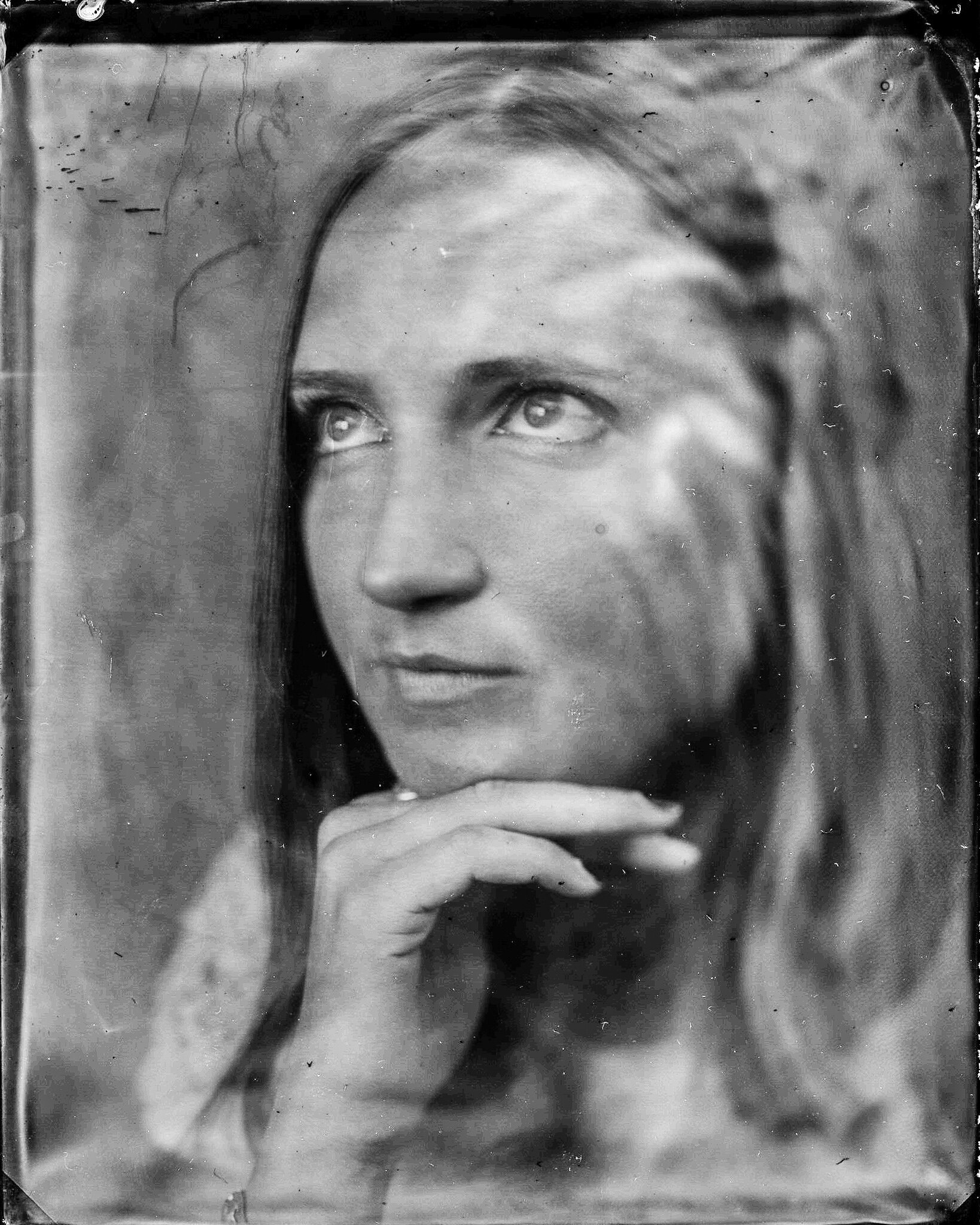
The first portrait came in 2016, and the first couple of years are mostly evidence of what I did not yet know. Fogged plates, uneven pours, exposures measured in tens of seconds. The wet plate tintype was the first photographic process sold to ordinary people, and learning it felt like joining a very old argument about how much trouble a photograph is worth.
2018–2019 — Refinement
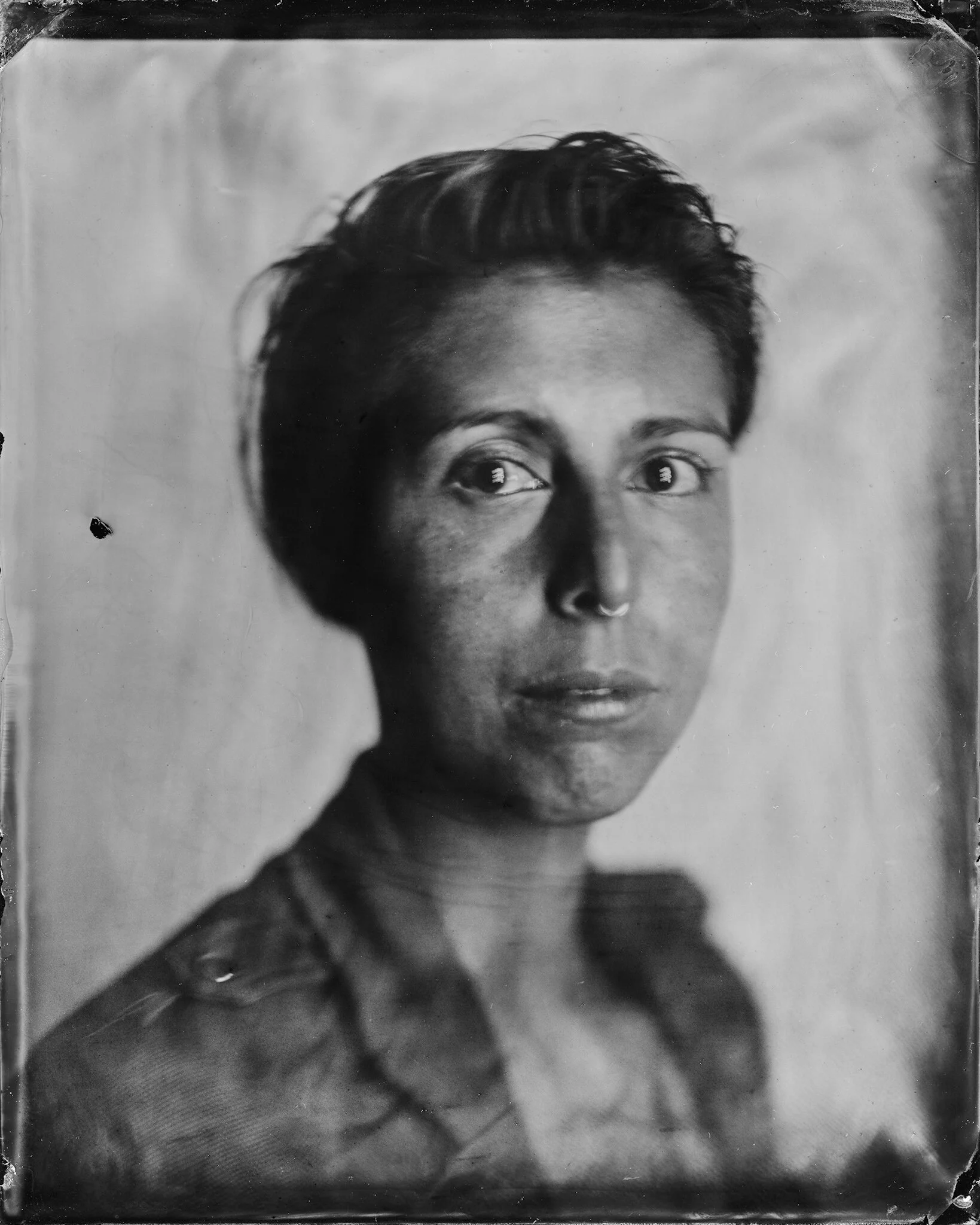
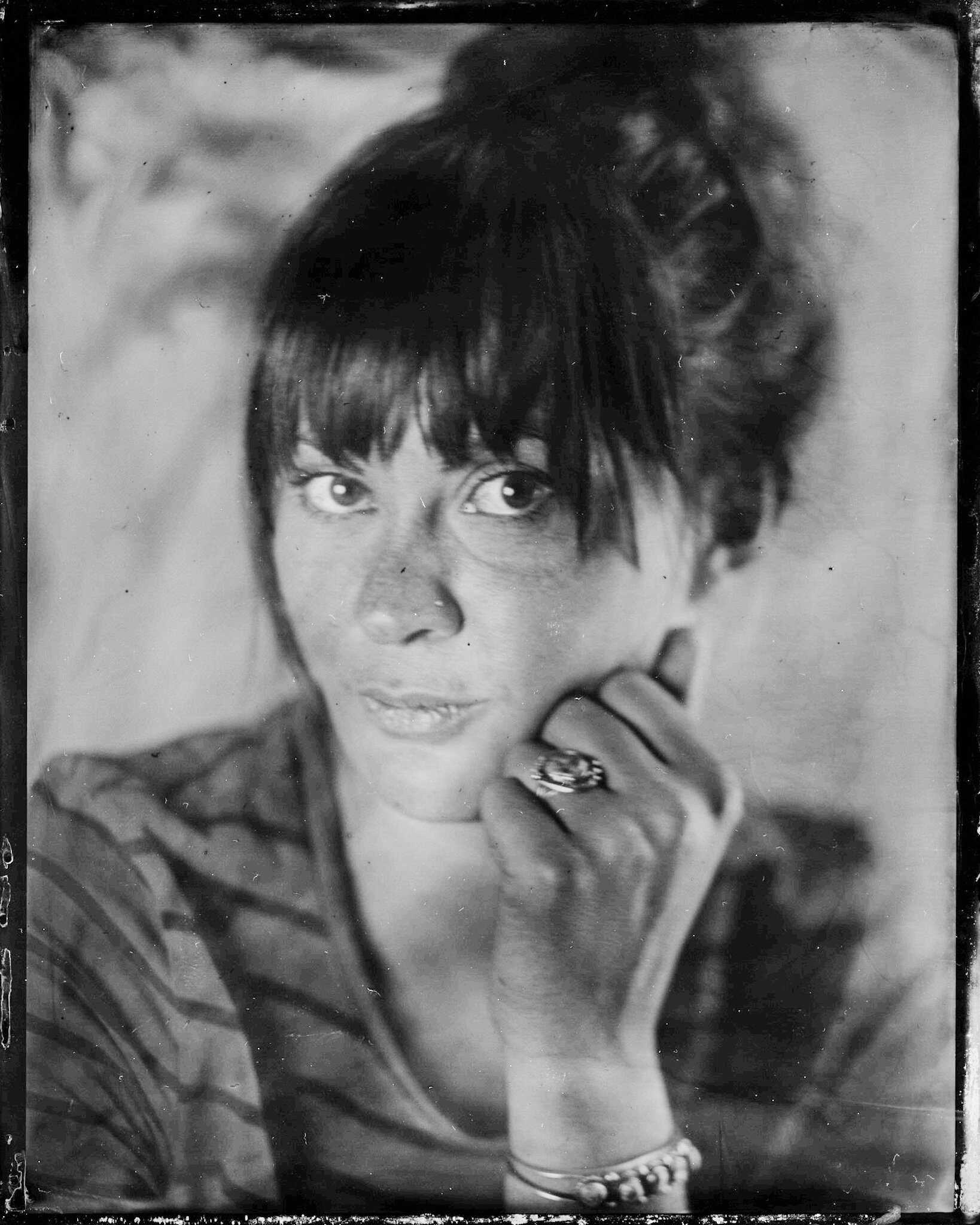
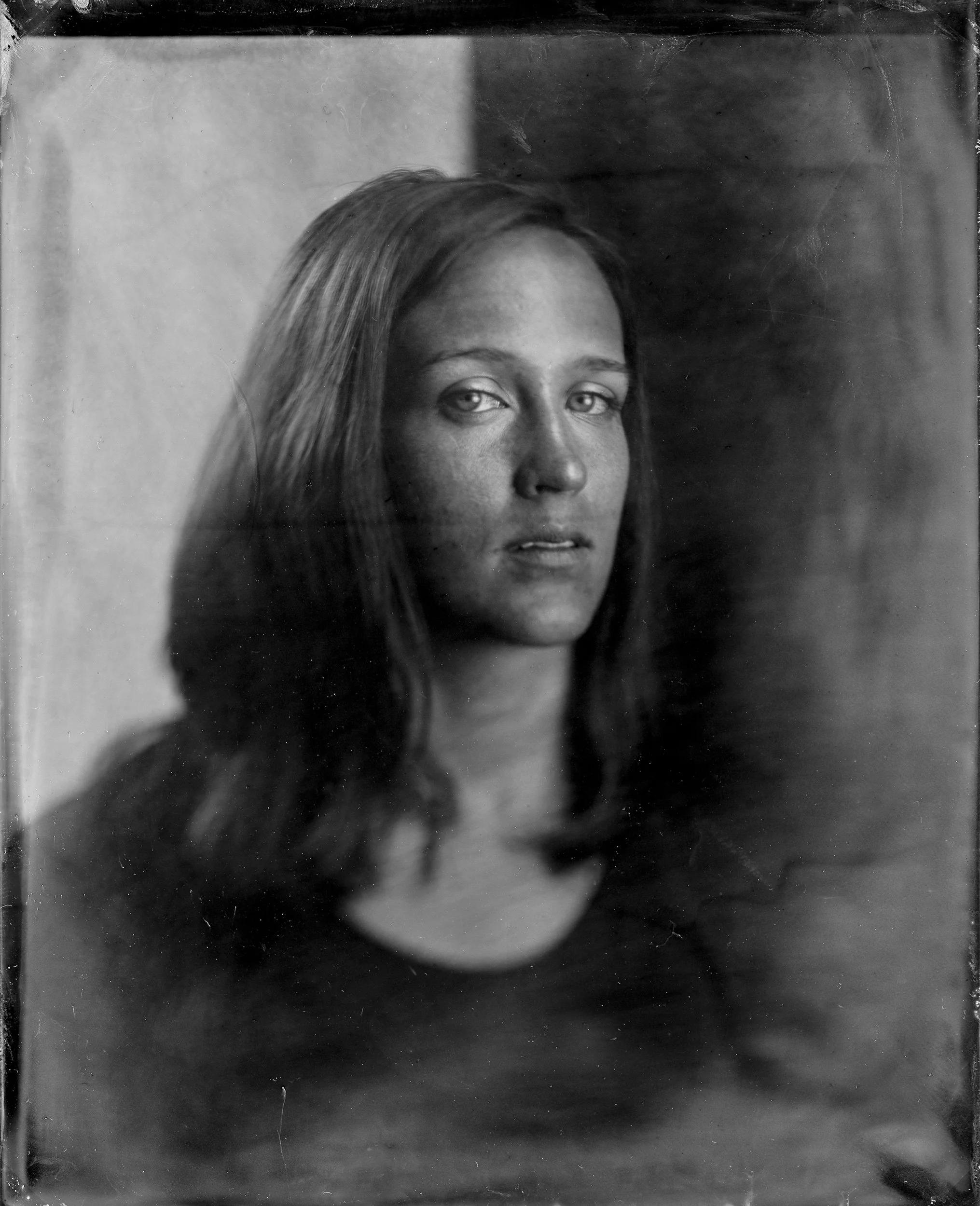
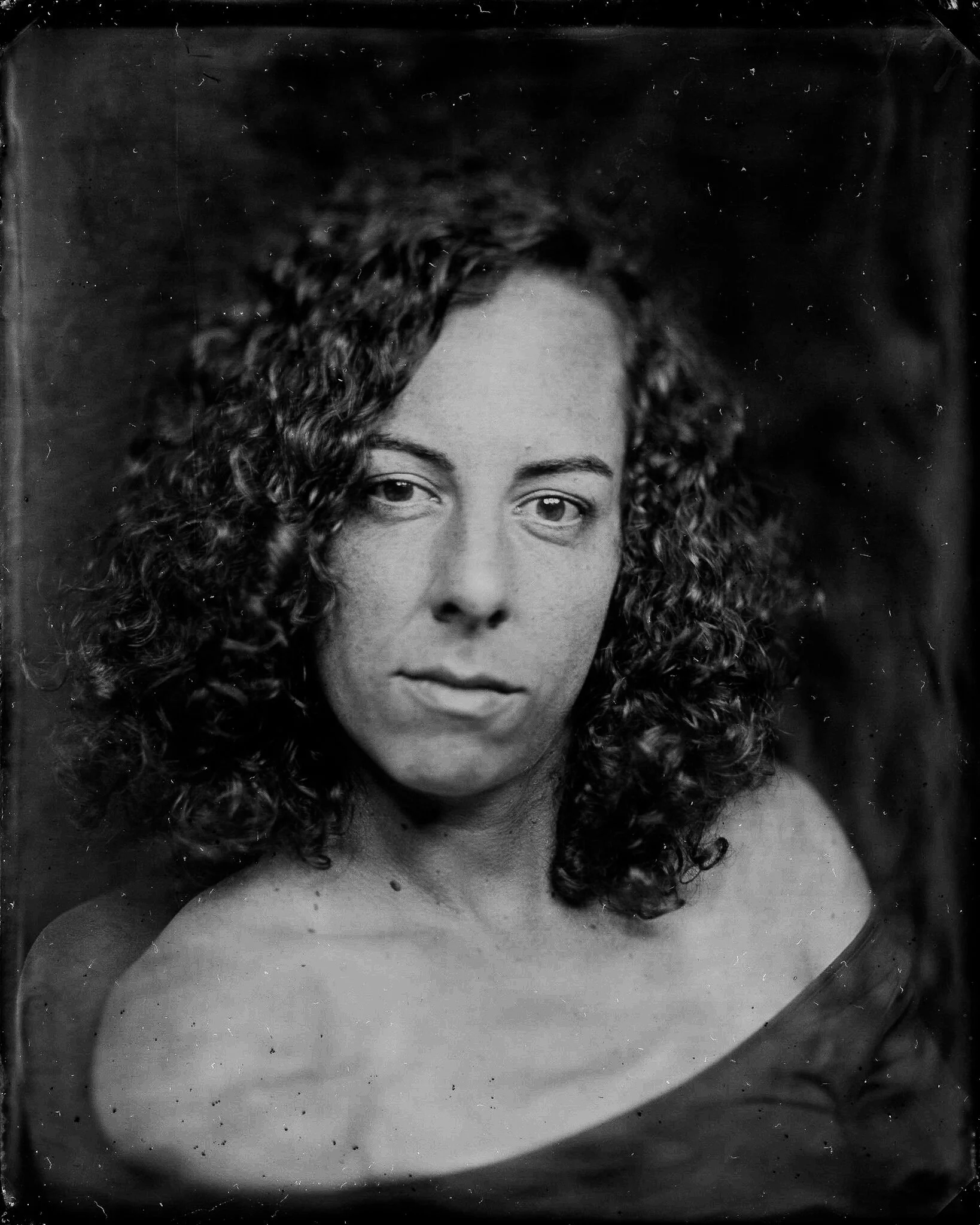
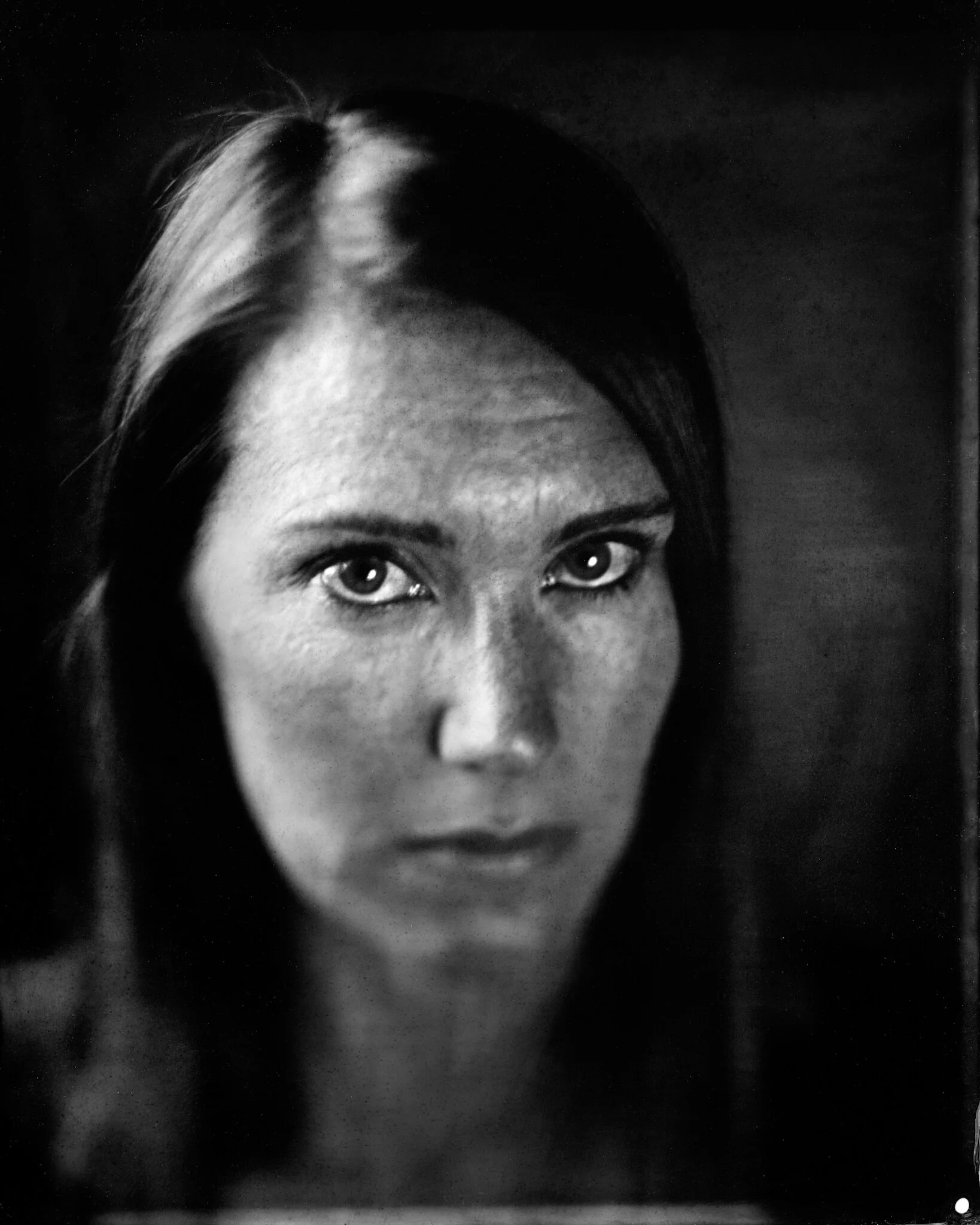
Once the chemistry stopped being the hard part, the sitter became it. A wet plate exposure is long enough that a person has to be posed rather than caught — you build the picture together, decide where the weight goes and where the hands rest, and then hold it. These are the years I learned to compose for that, and to talk someone through the seconds it takes.
2020–2021 — Scaling up
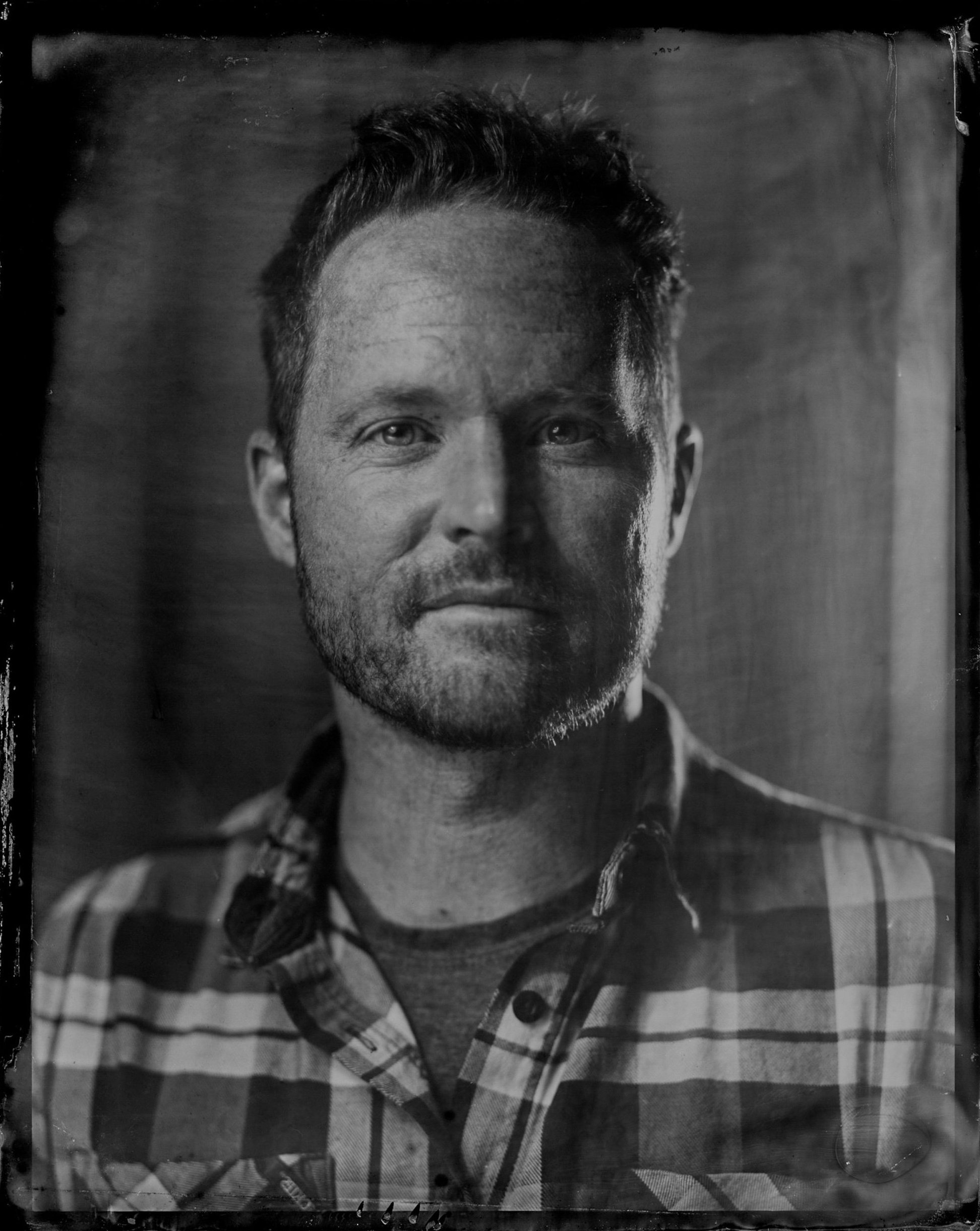
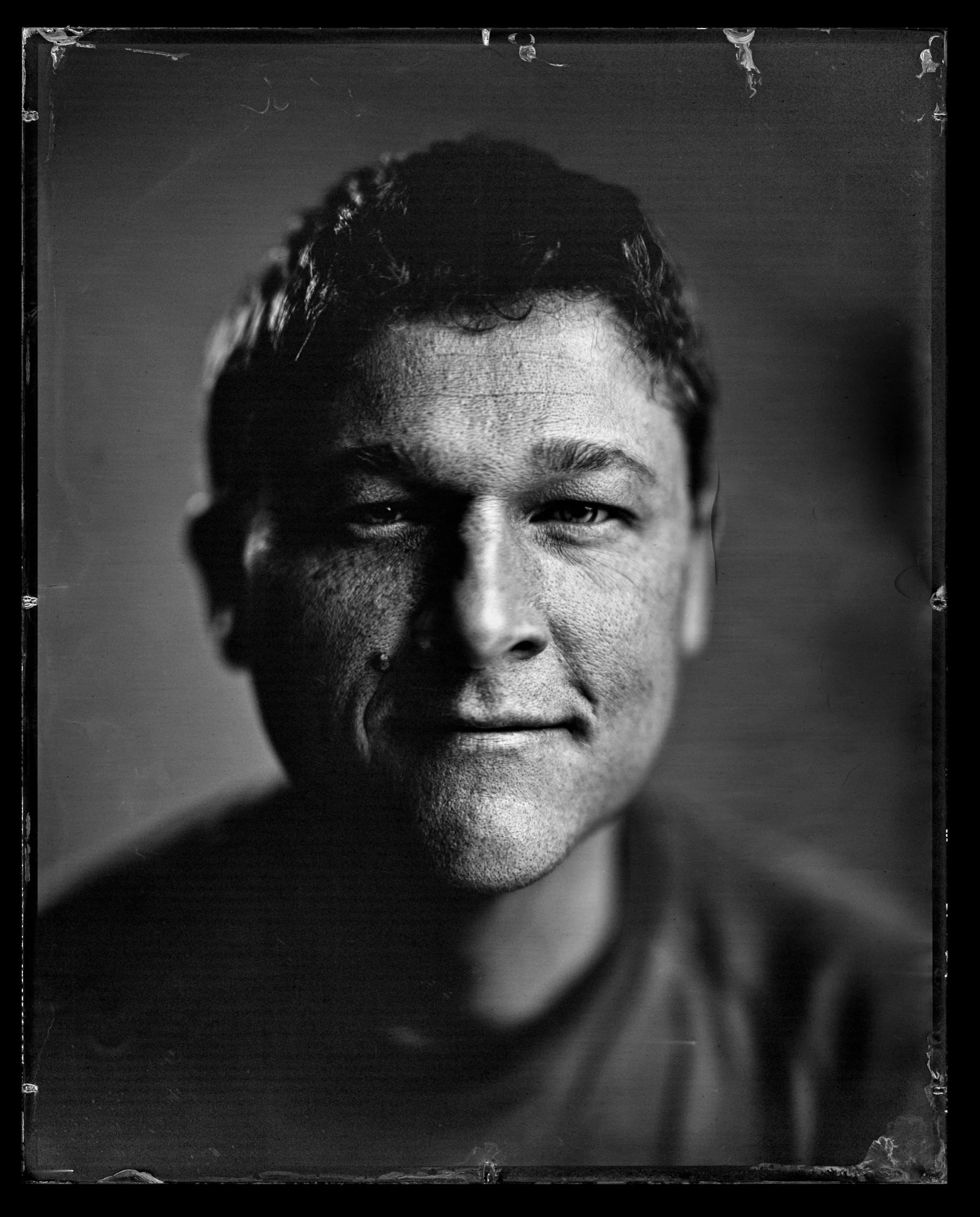
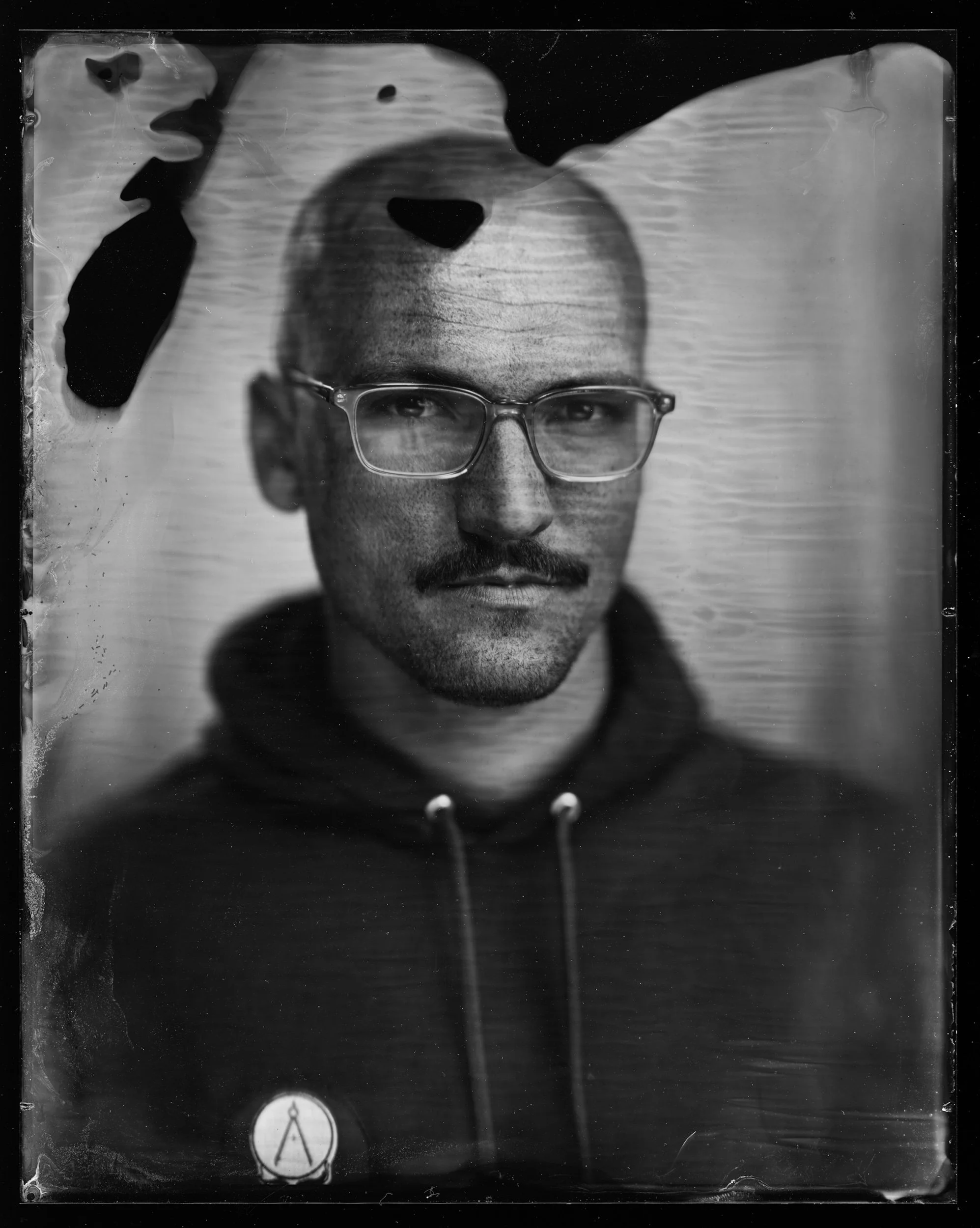
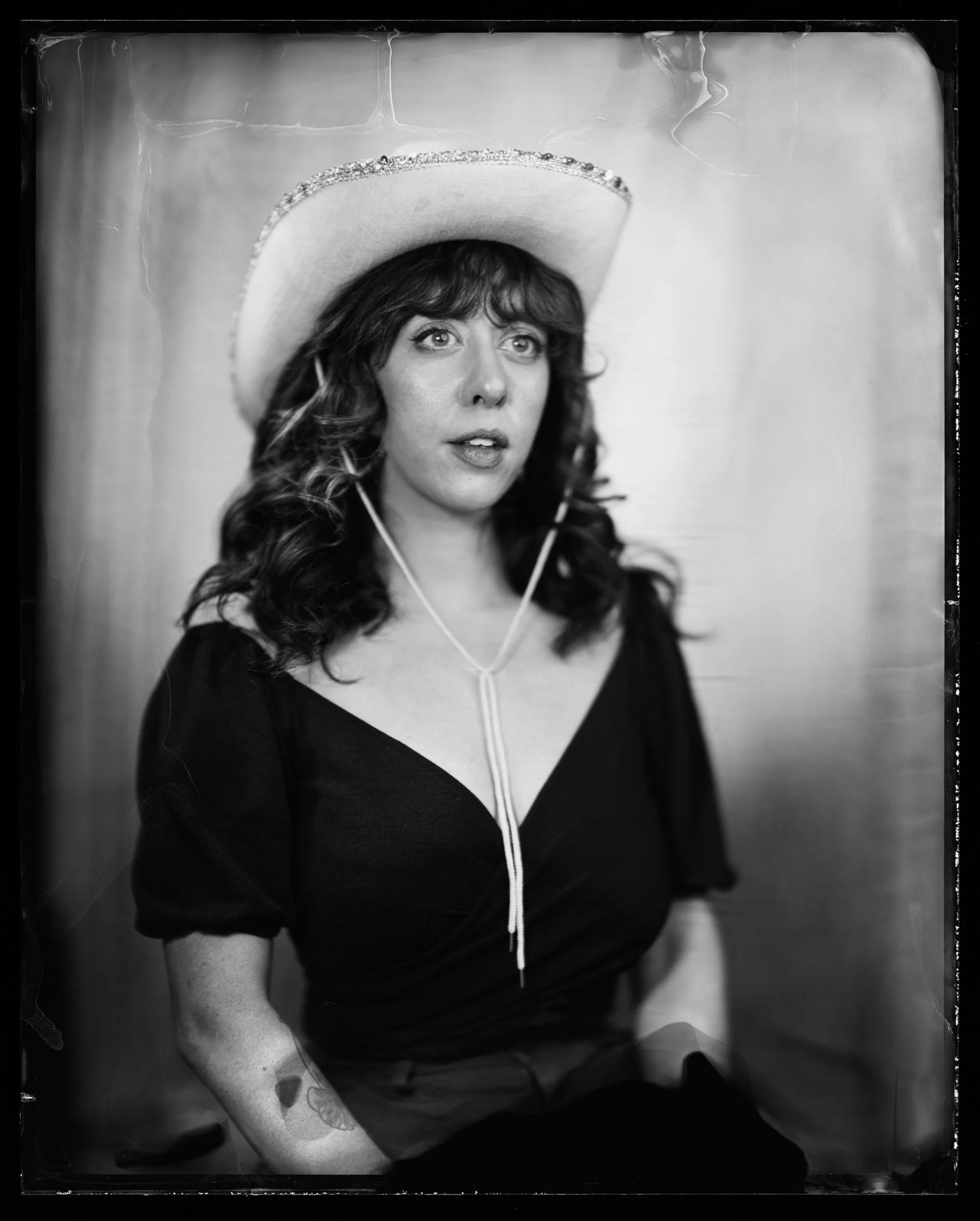
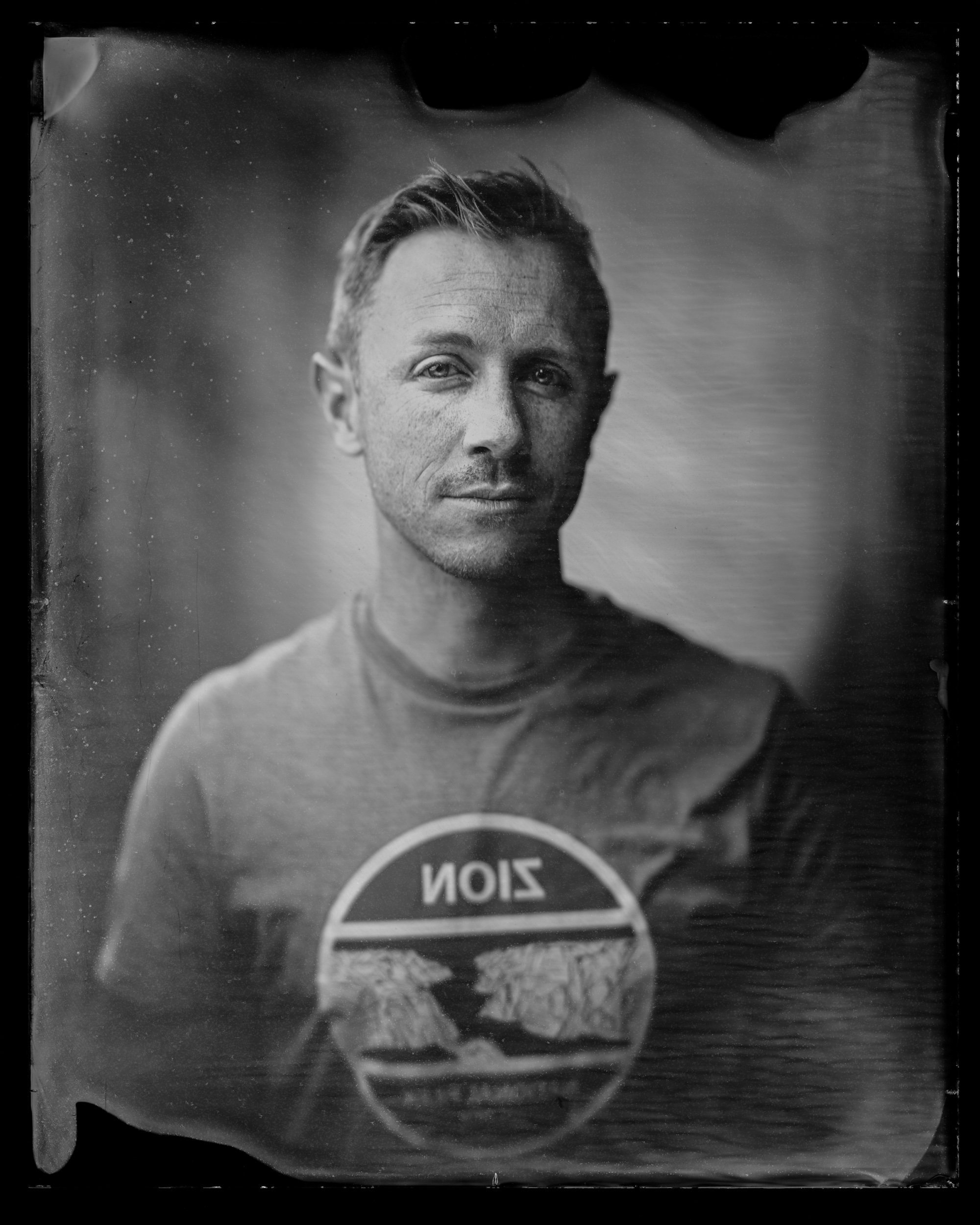
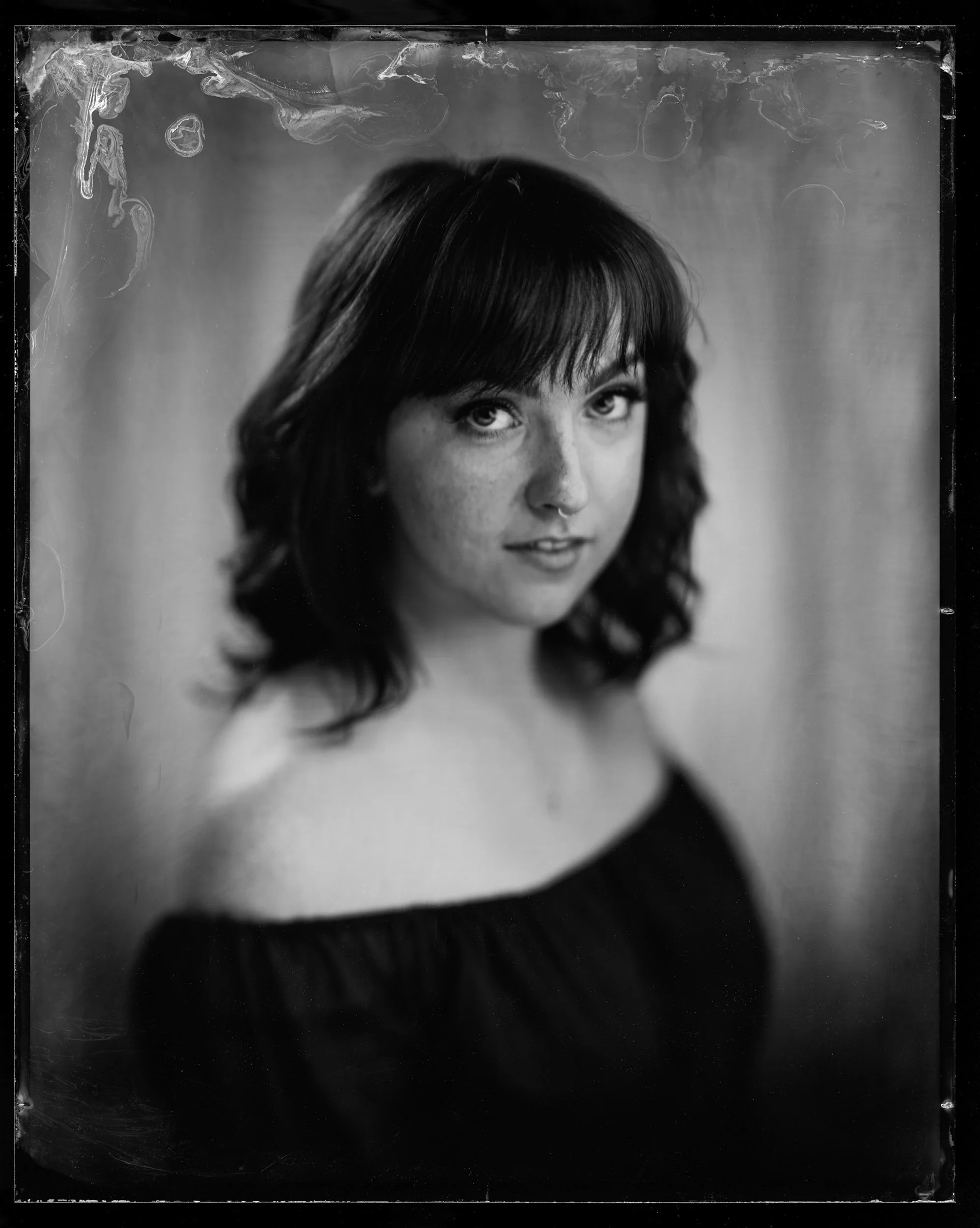
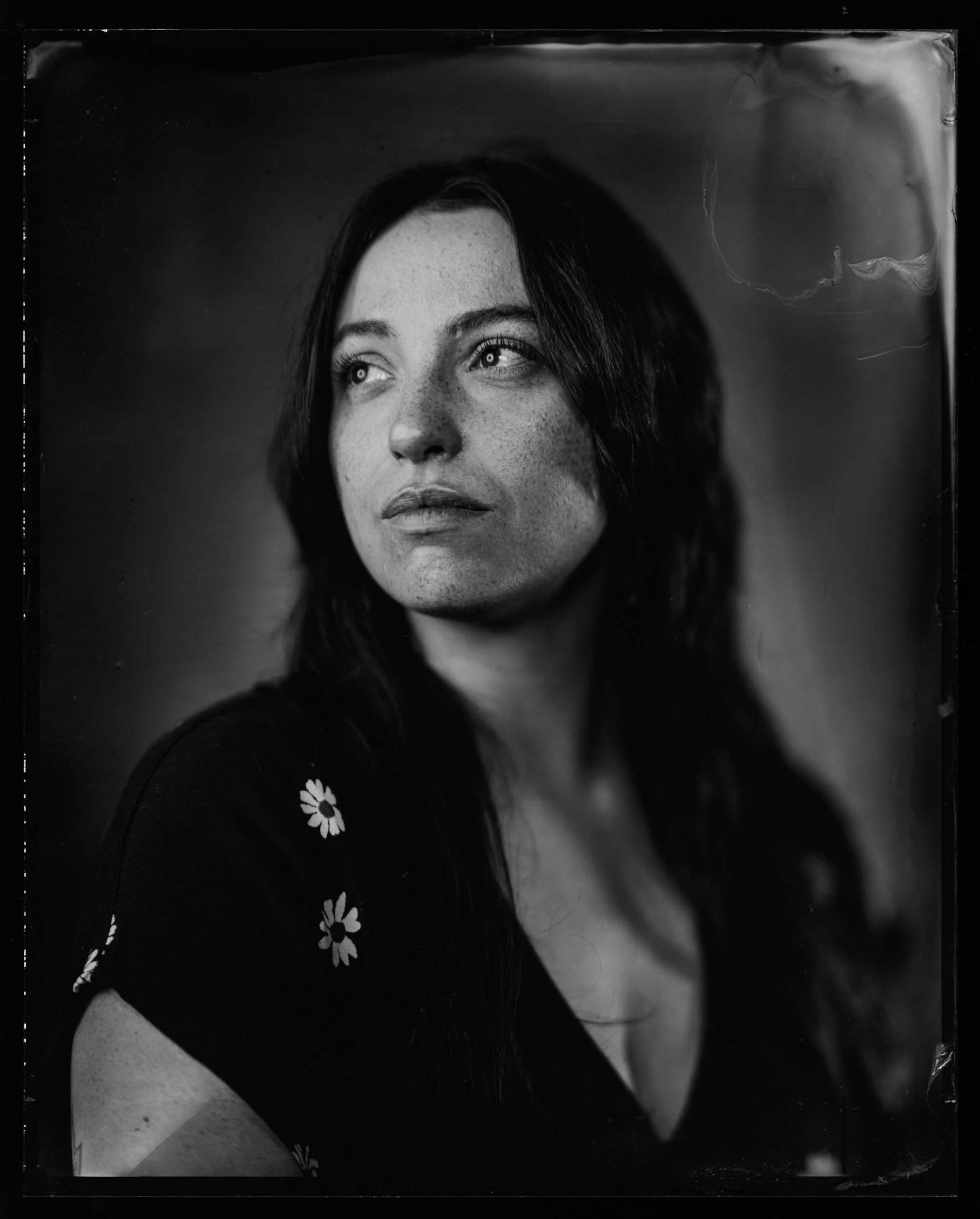
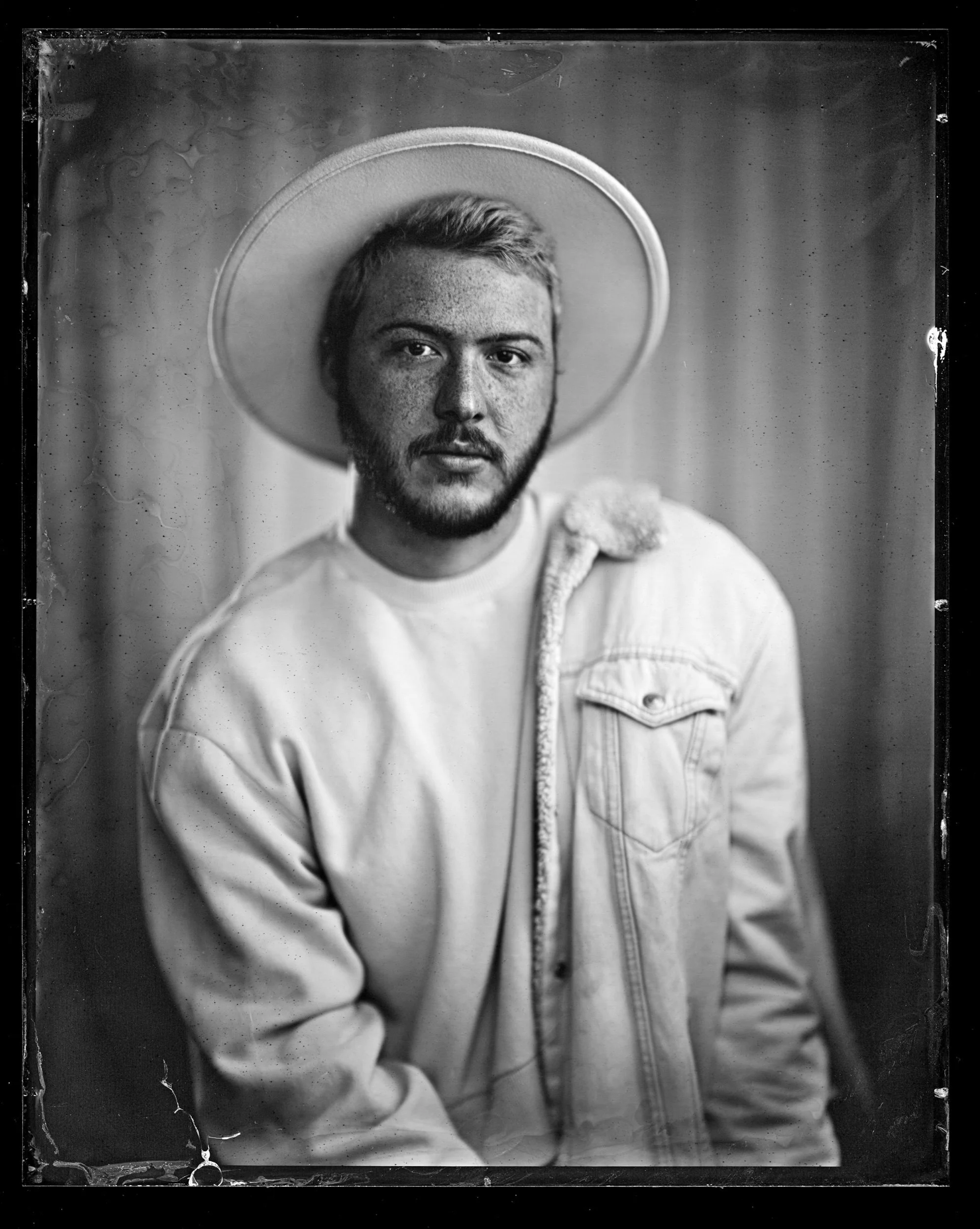
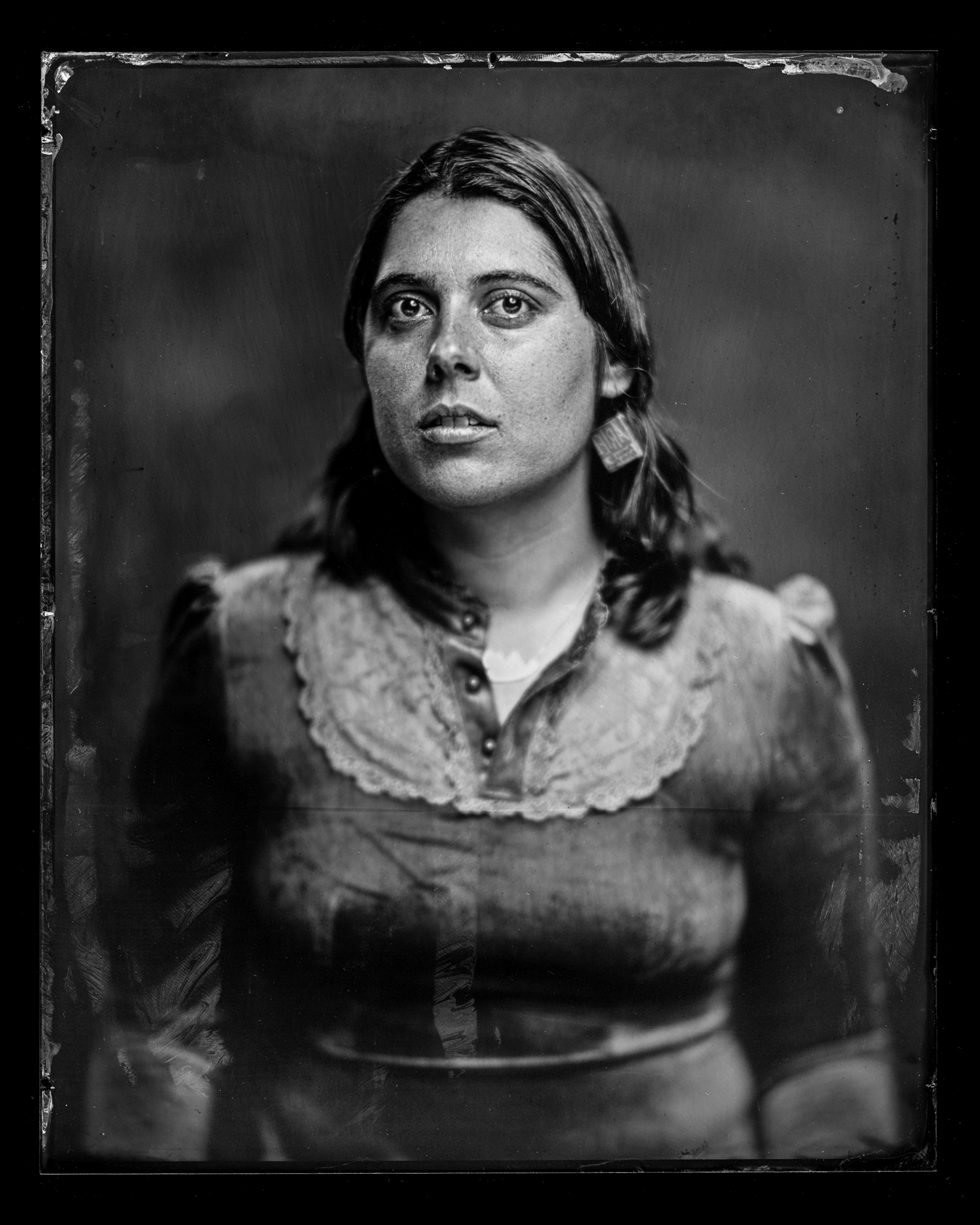
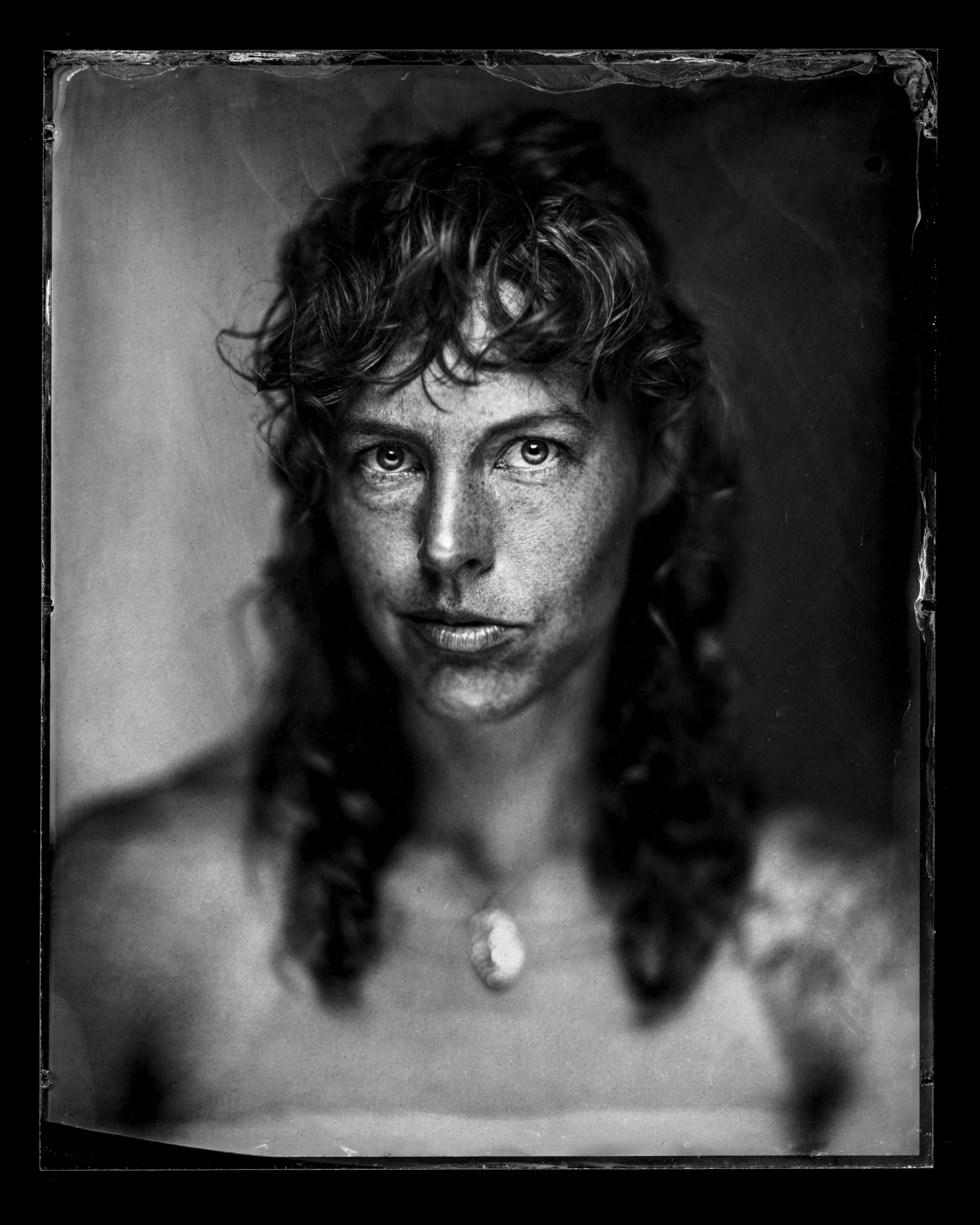
At the end of 2020 I spent two months building a bigger darkroom and a more light-tight portable dark box, to move from four-by-five inch plates to eight-by-ten. Everything got harder — more chemistry, more light, less margin — and everything got better. Later I mounted a 405mm Petzval lens from the 1890s, found after years of scouring auctions and antique shops, onto my fourth large format camera.
2022–2023 — Full time
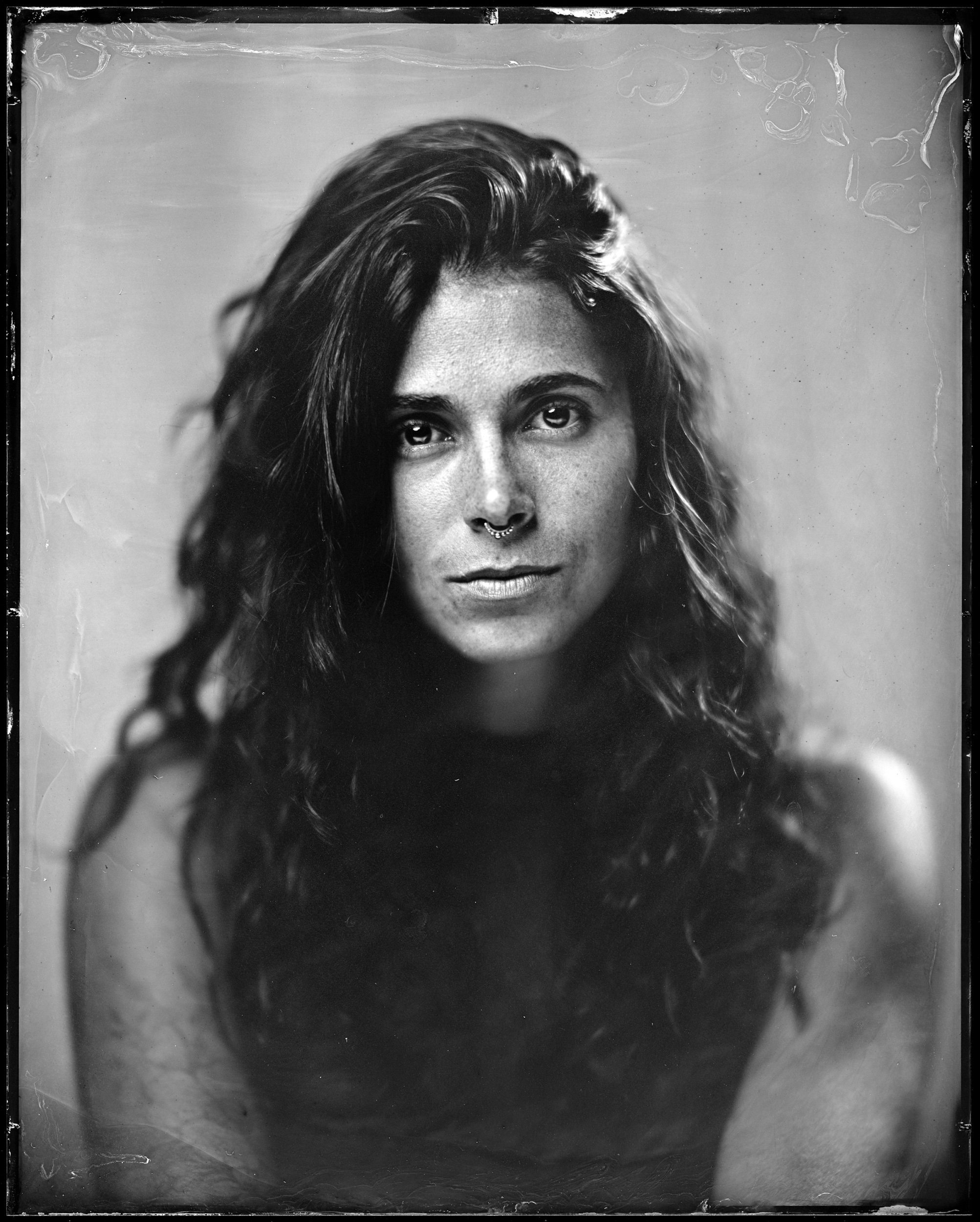
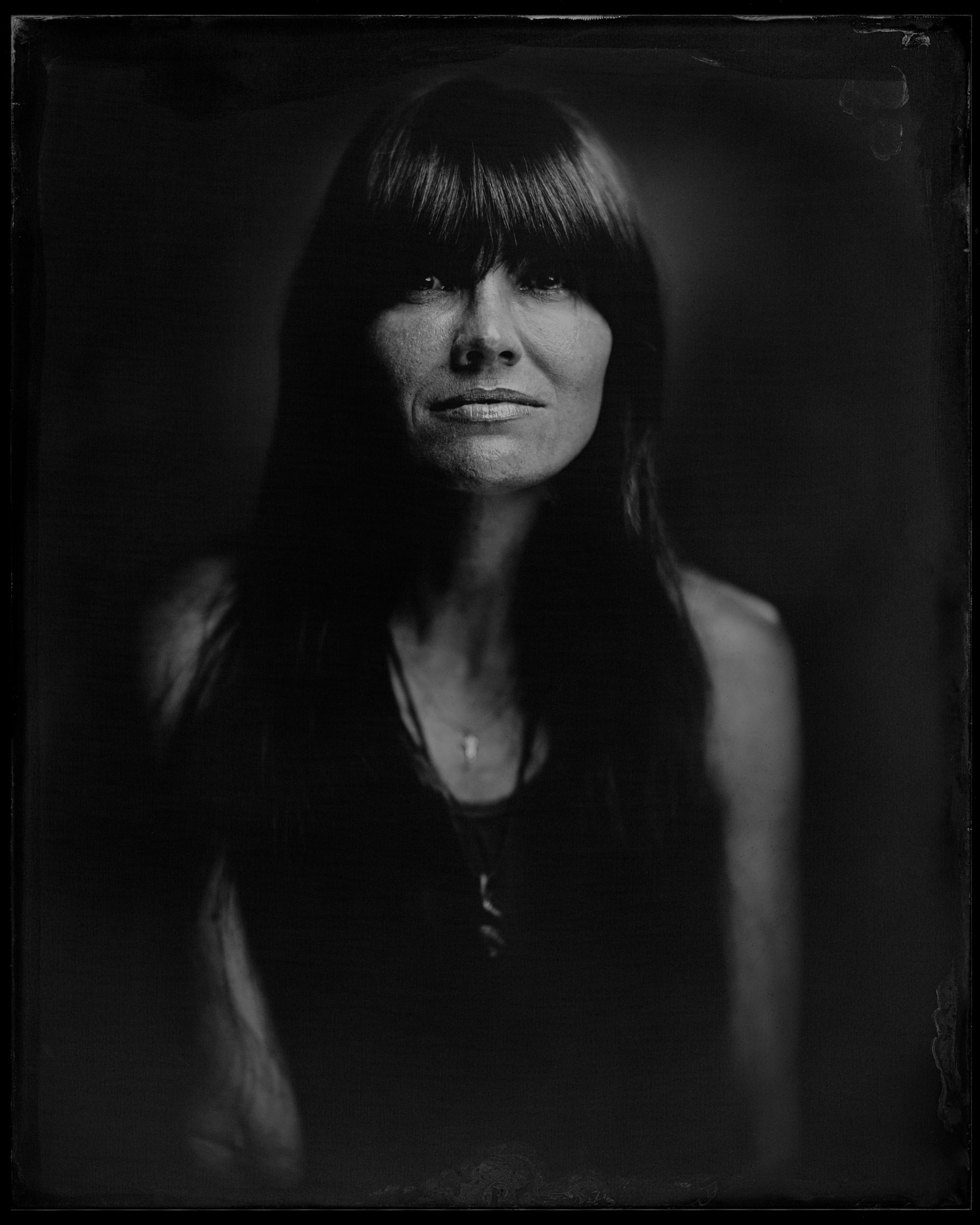

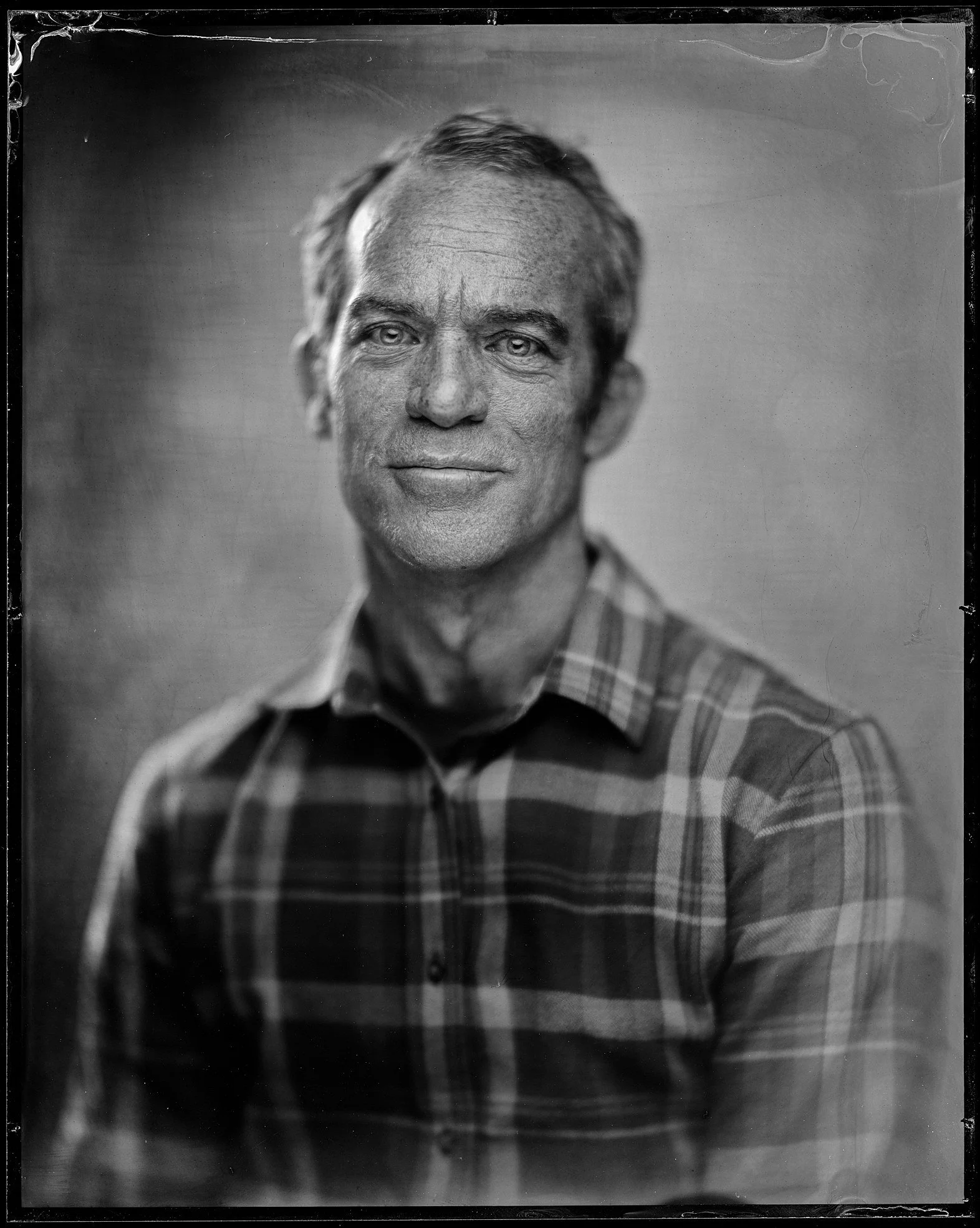
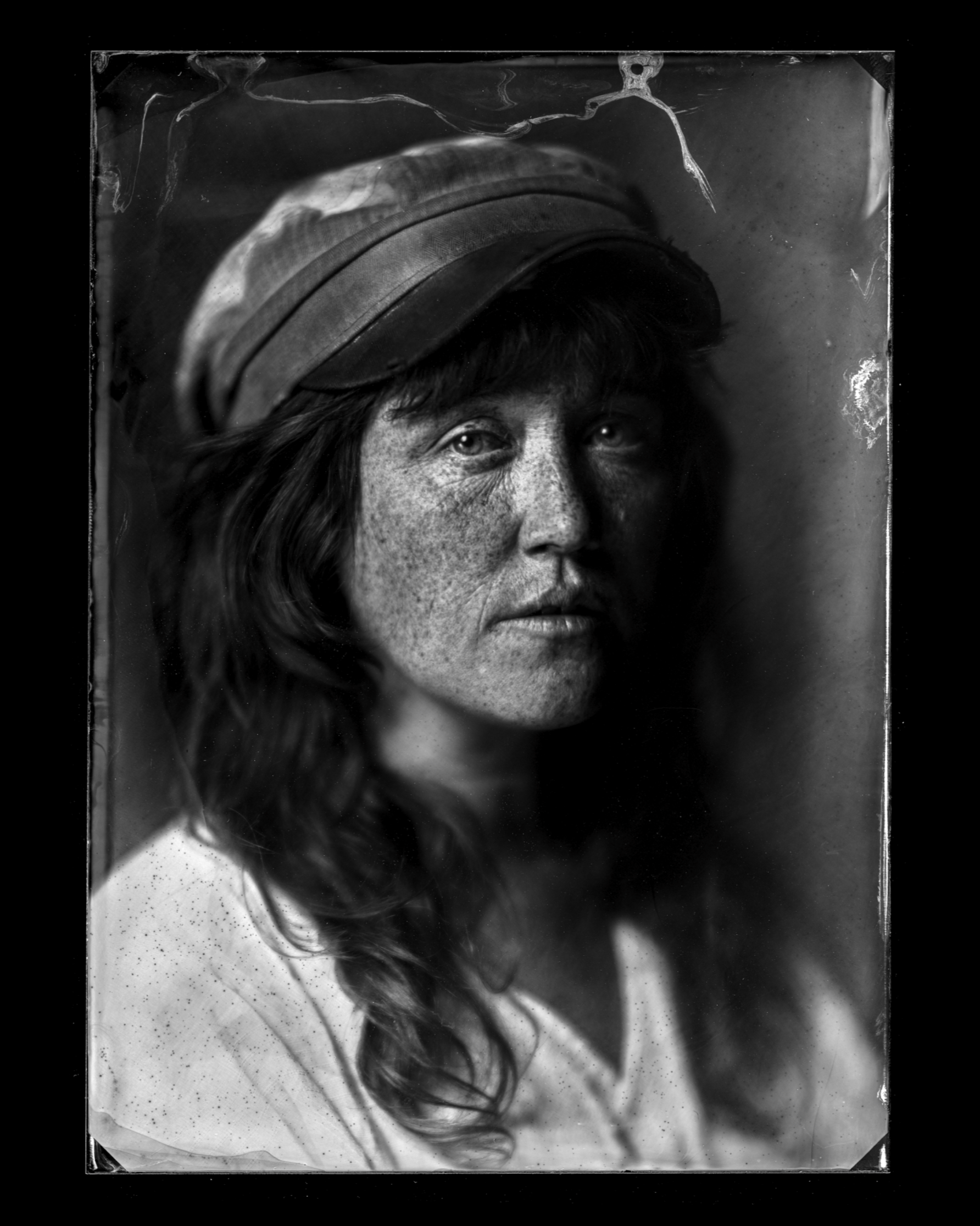
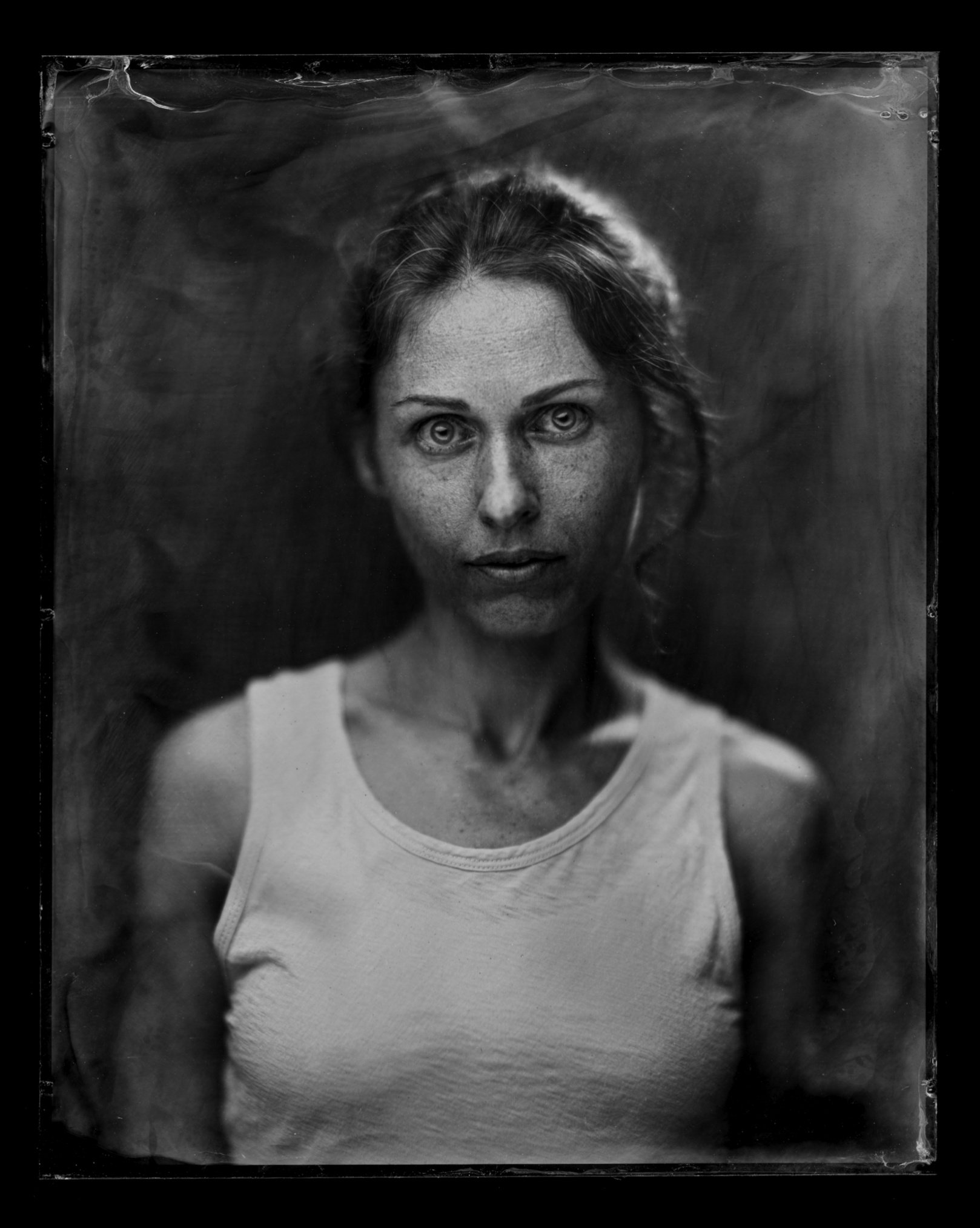
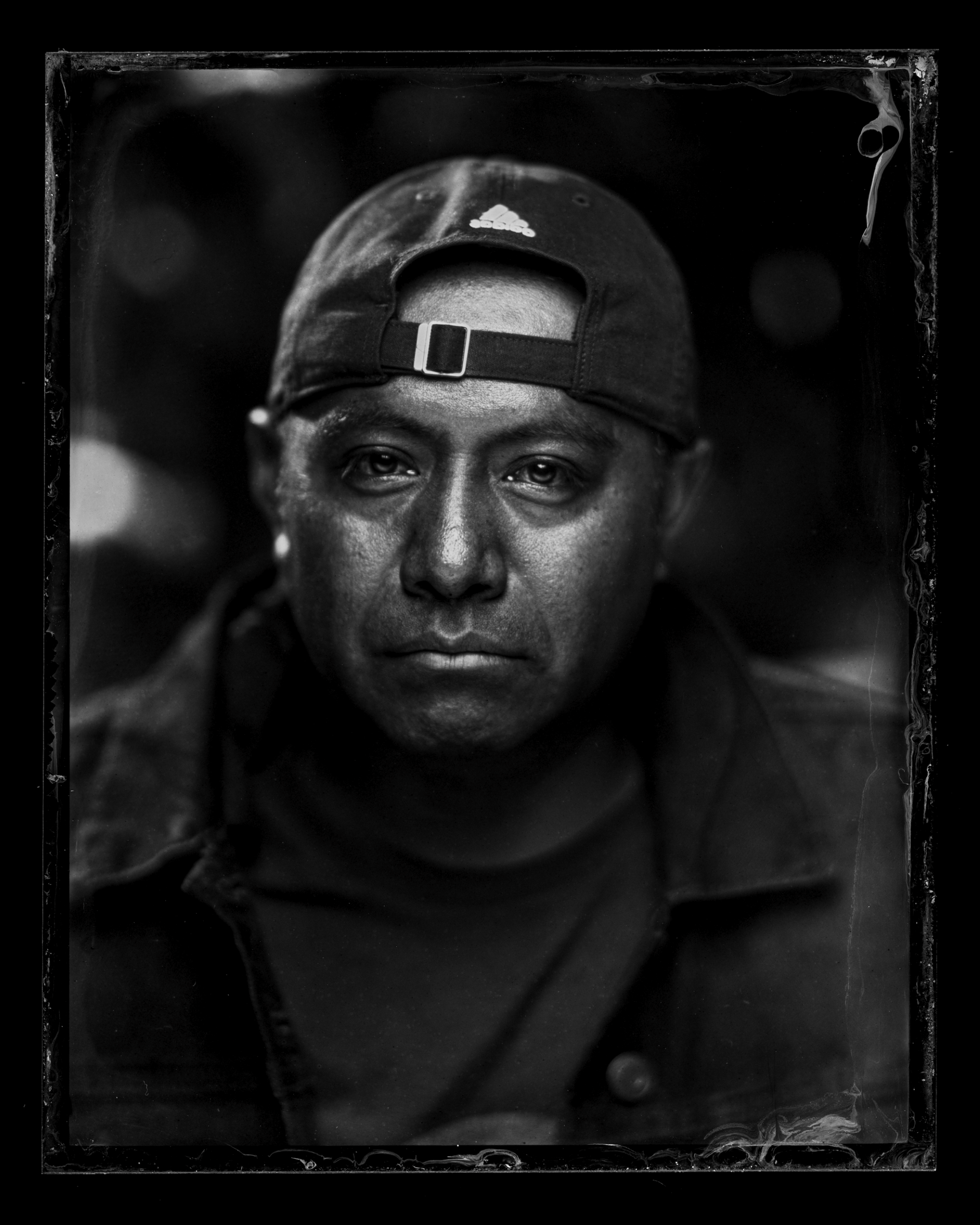
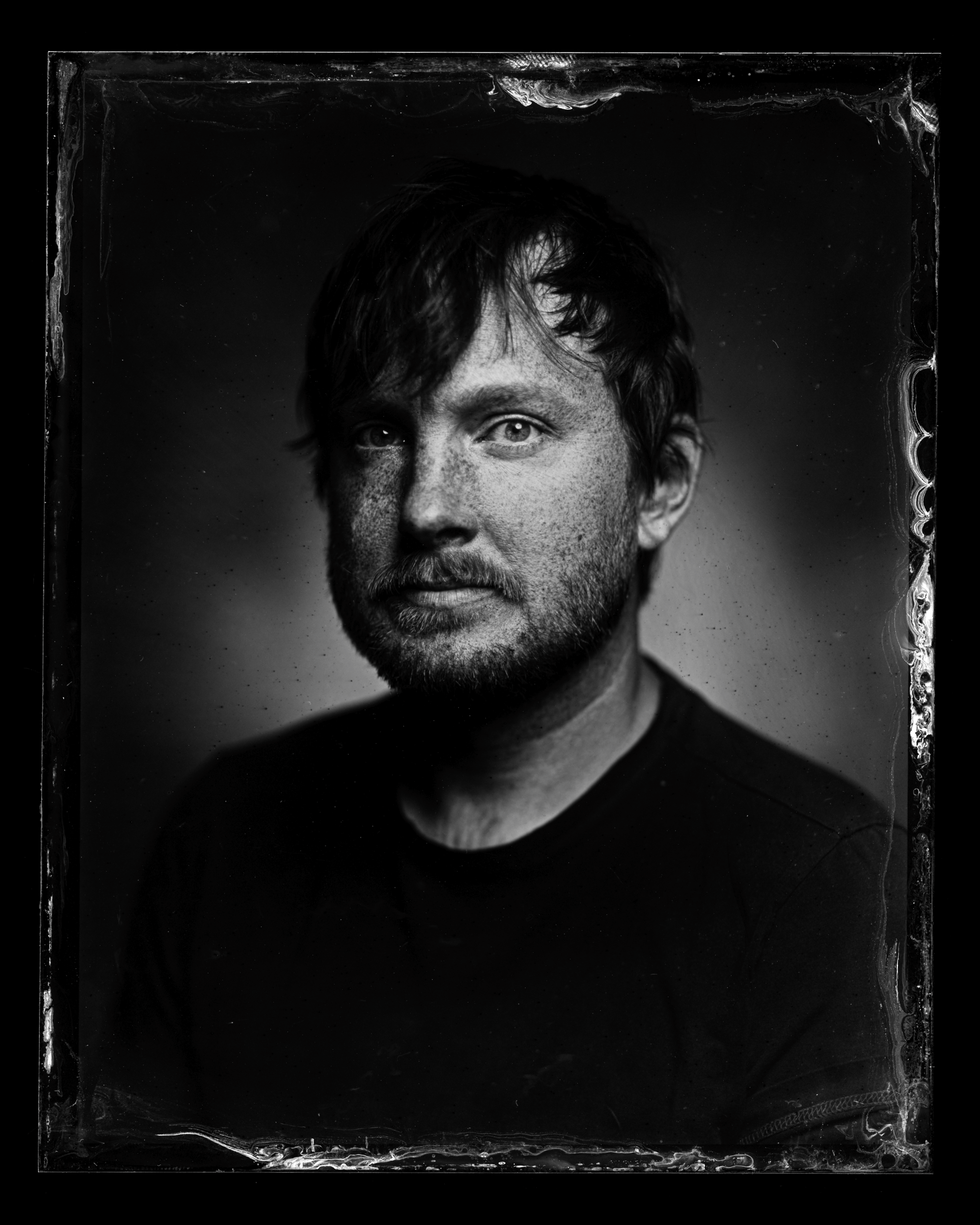
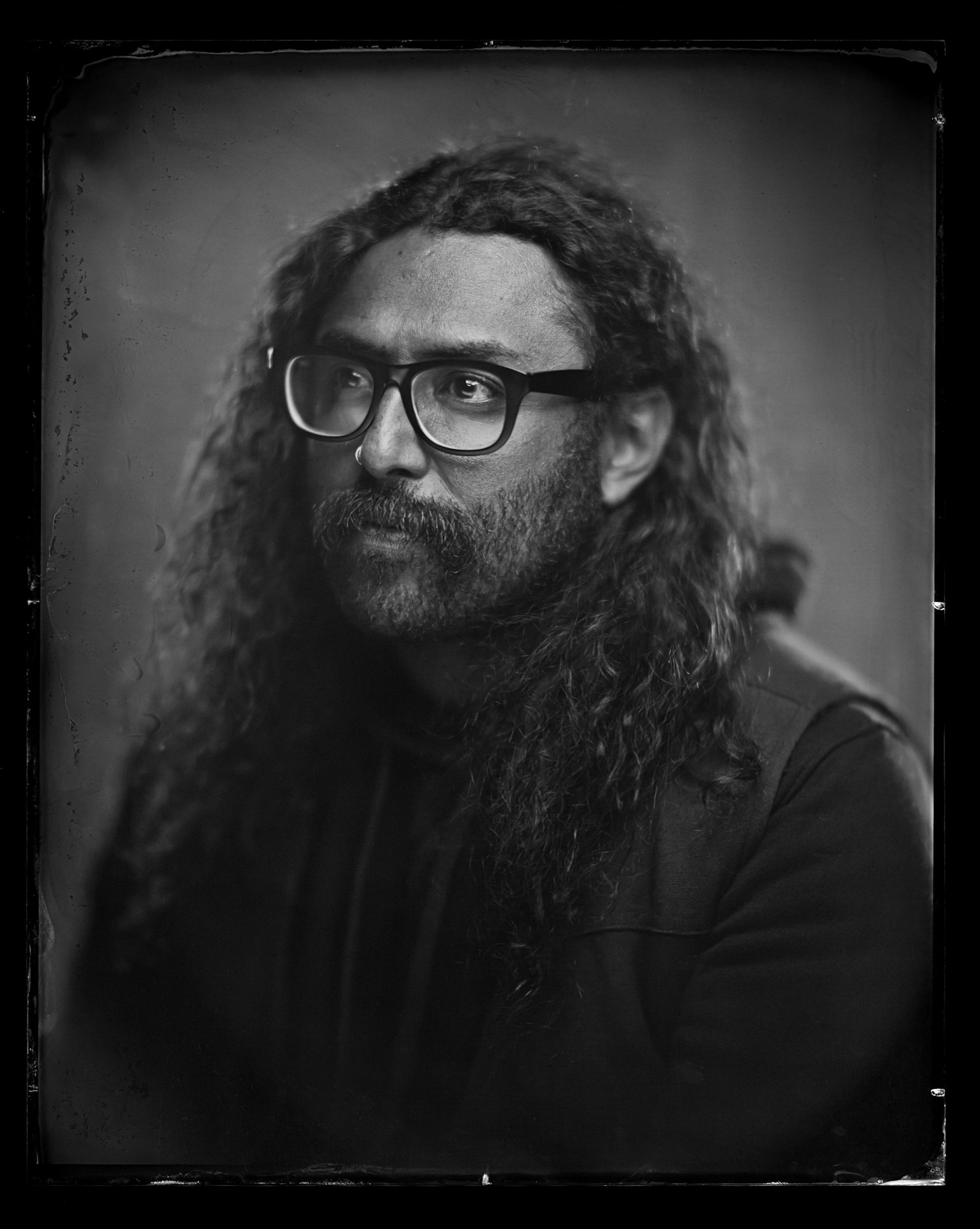
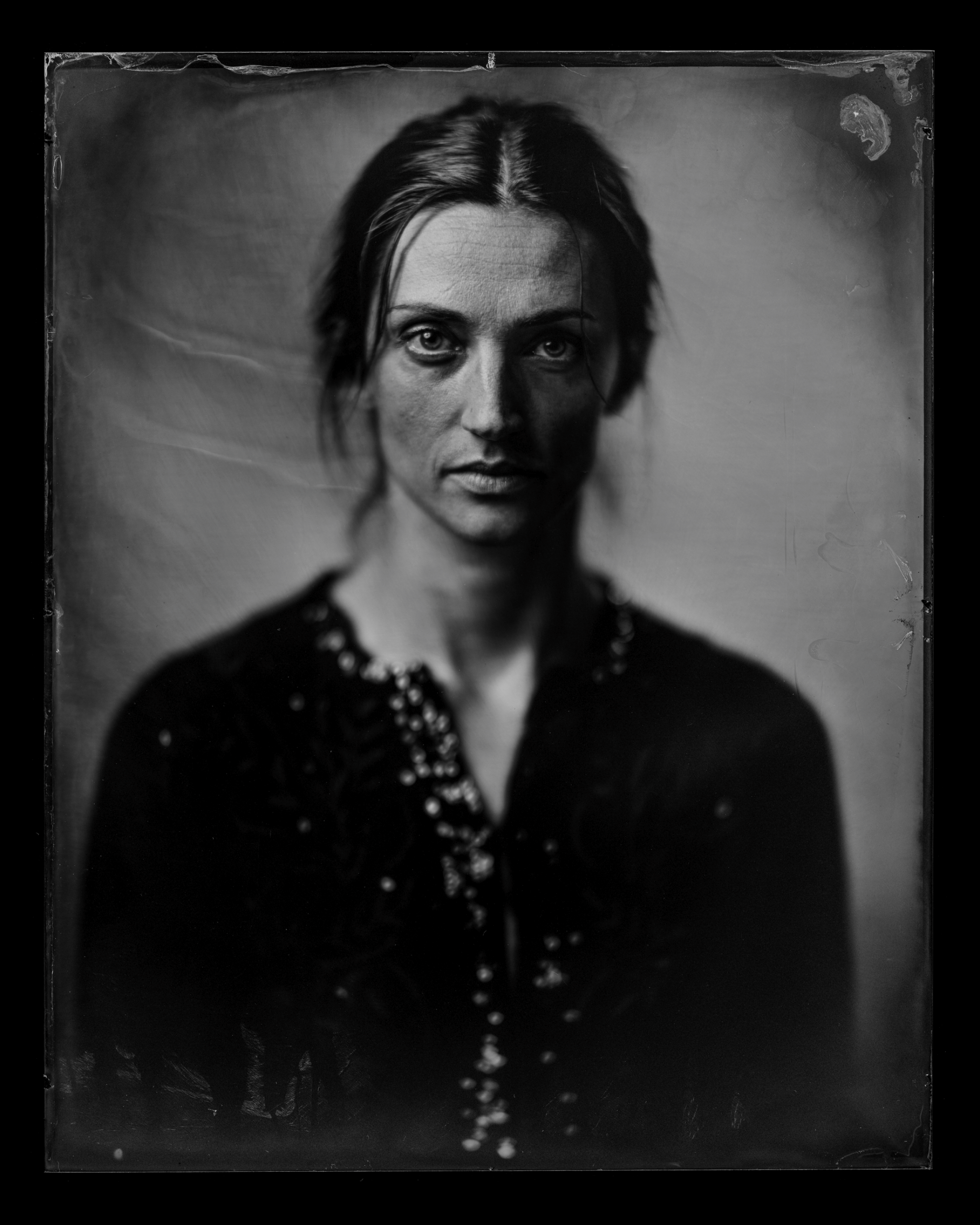
The studio went full time. That changes the work in a way I did not expect: consistency stops being an achievement and starts being the baseline. Hundreds of sittings a year, open studio days where strangers walk in and leave twenty minutes later holding a photograph of themselves on metal.
2024–2025 — Ambitions
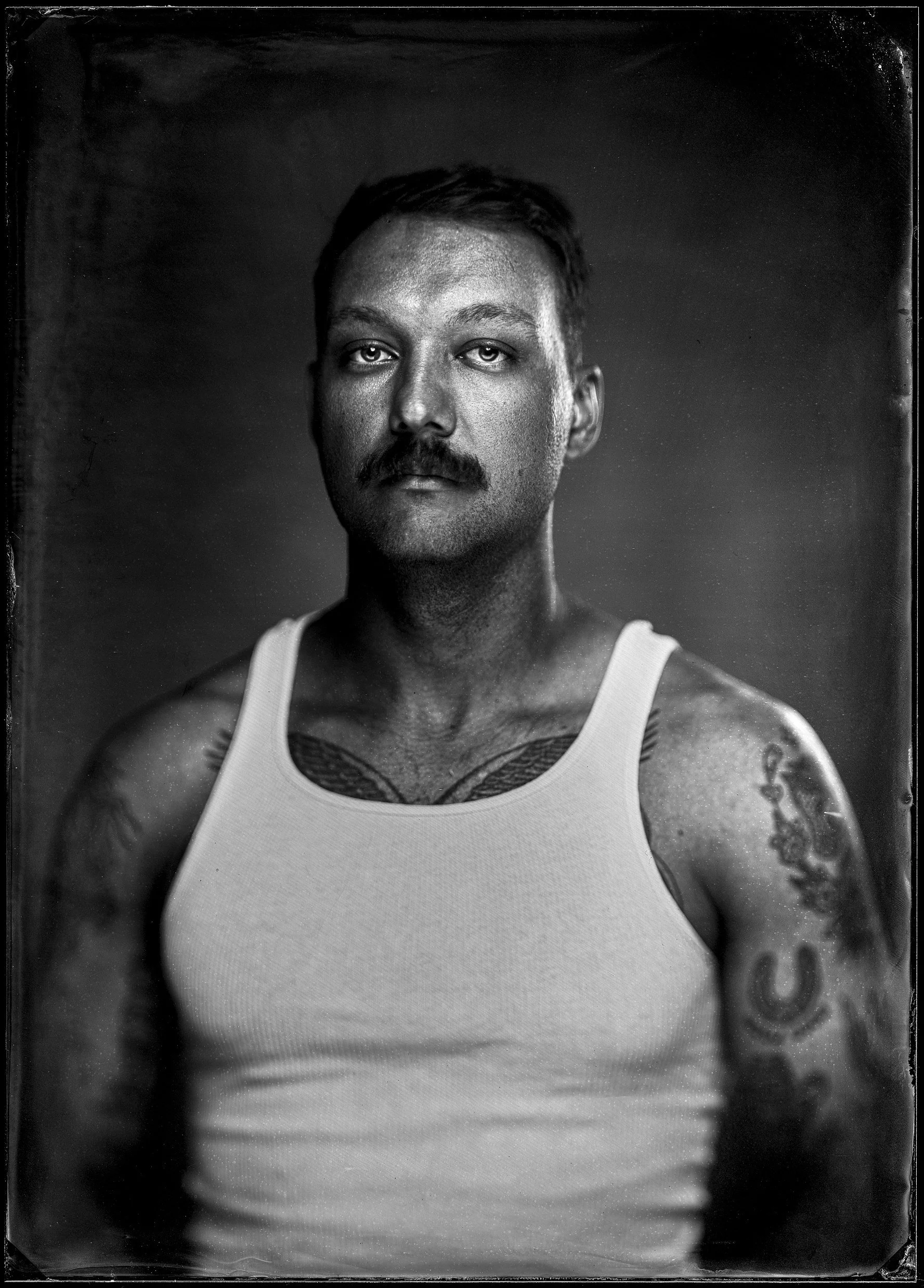
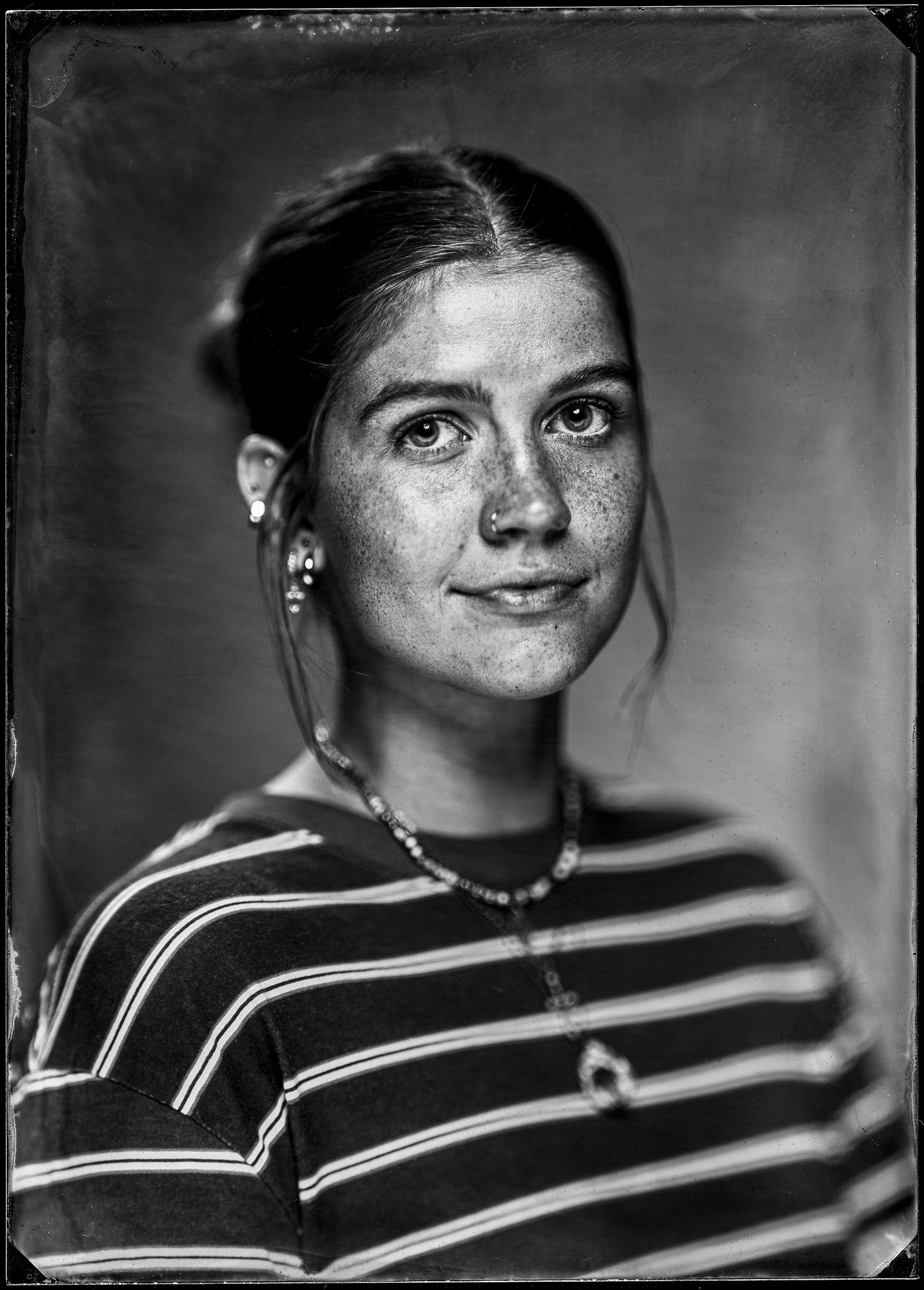
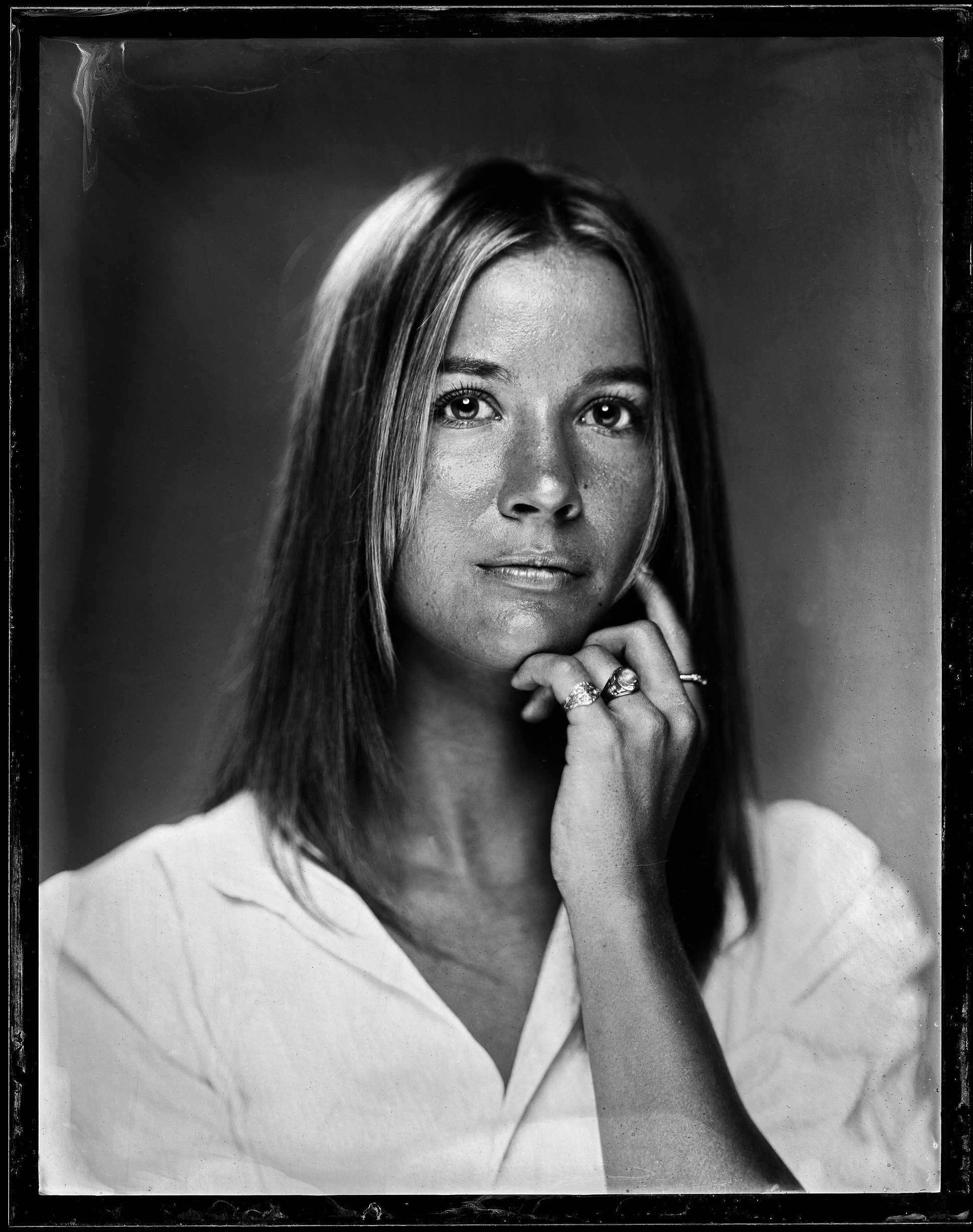
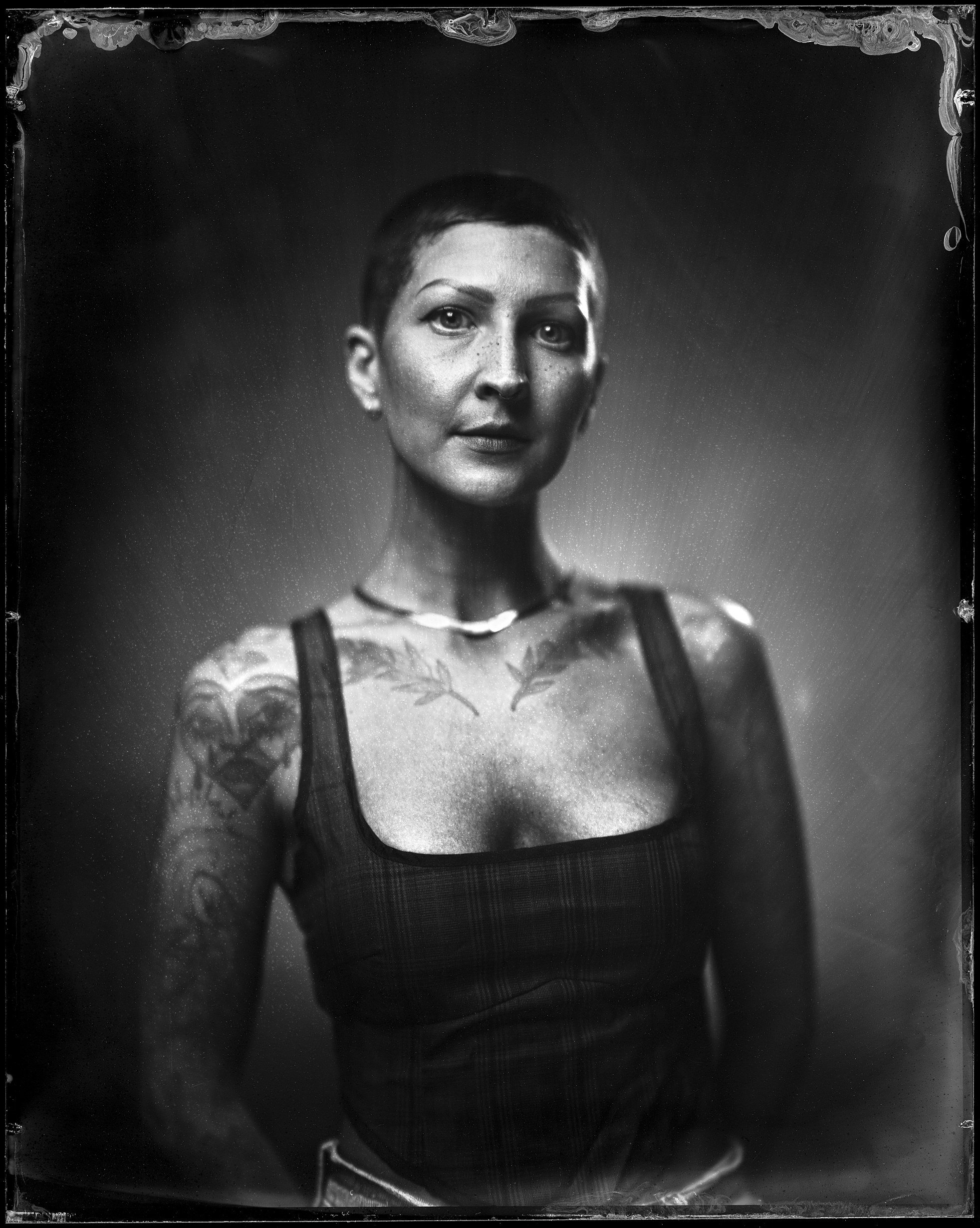
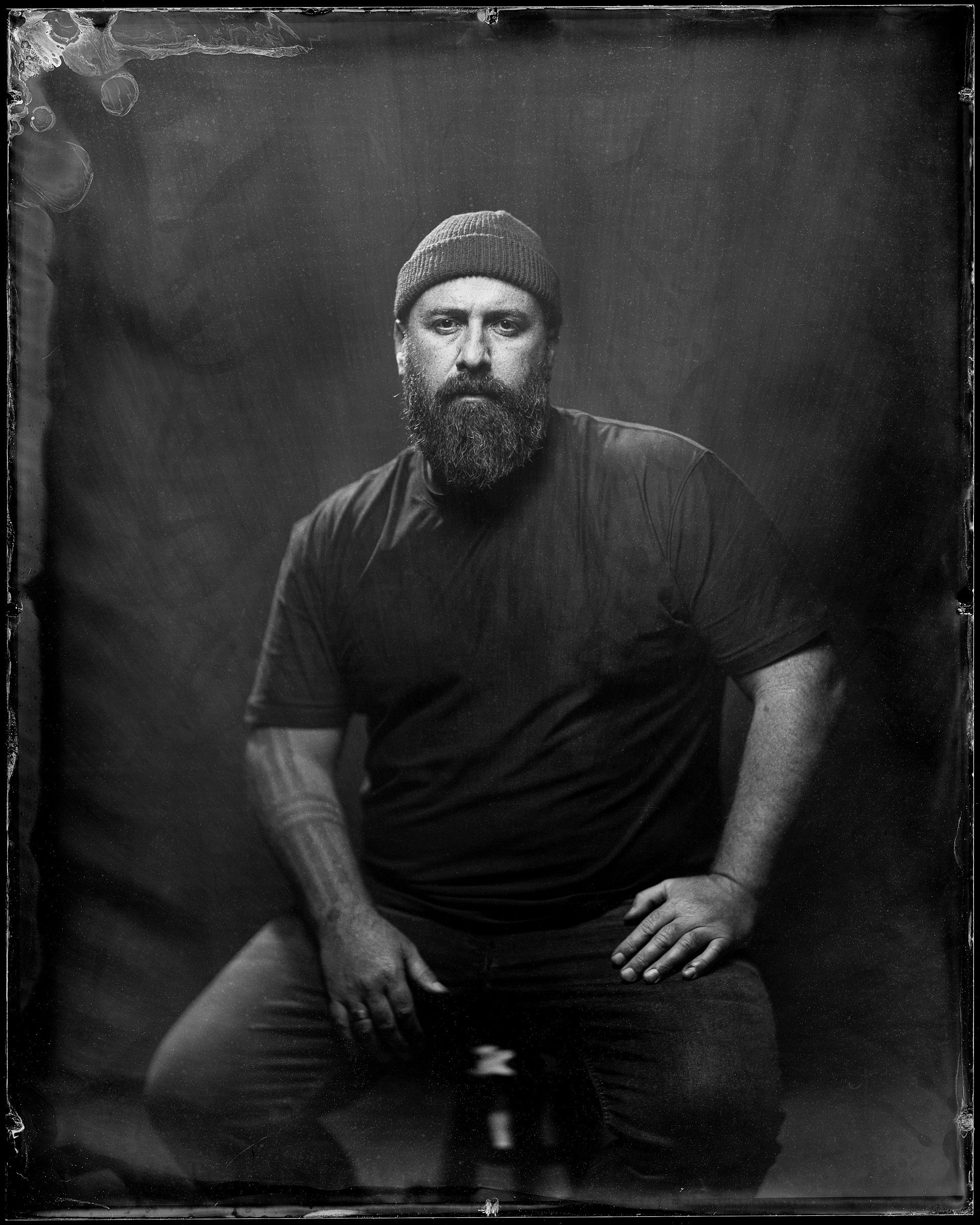
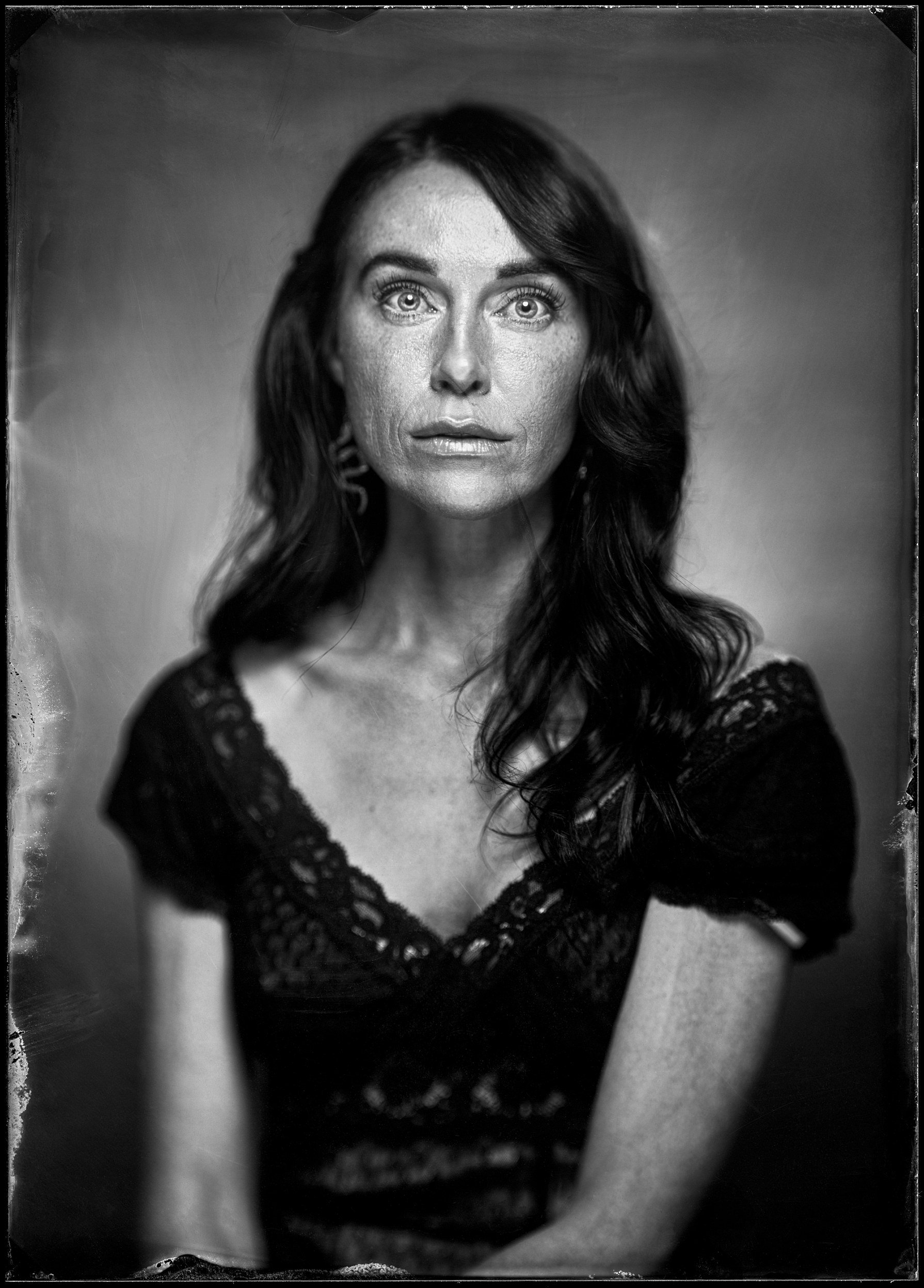
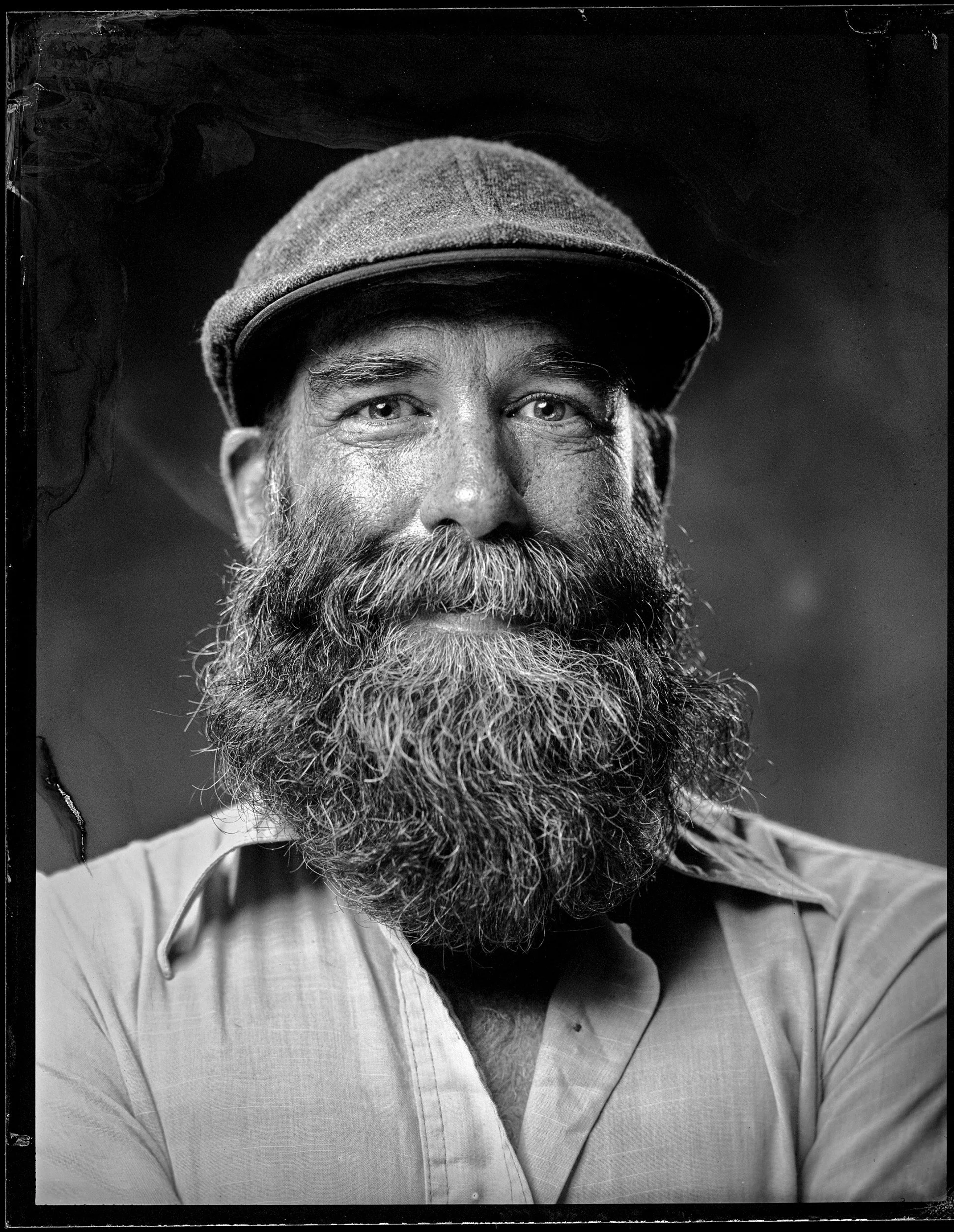
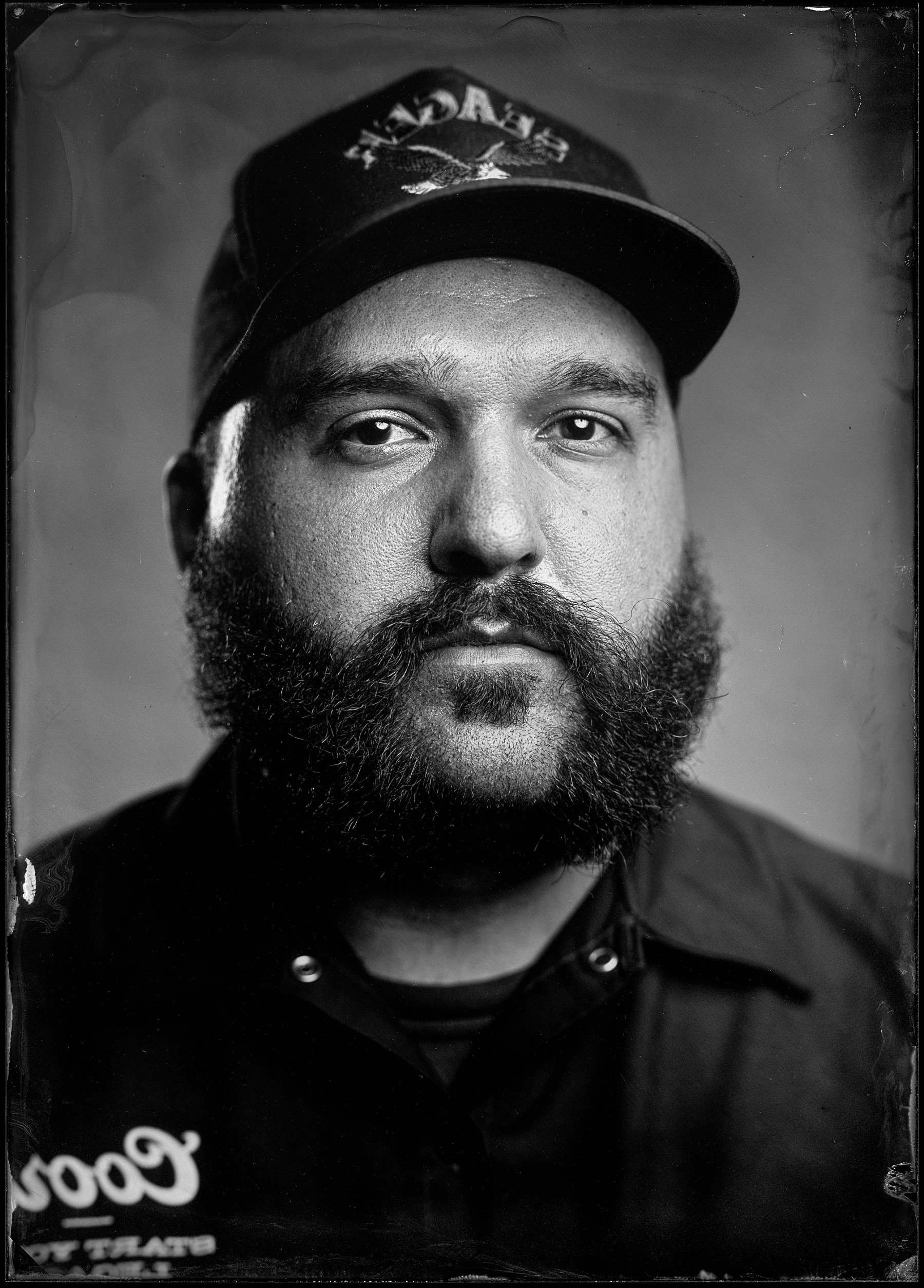
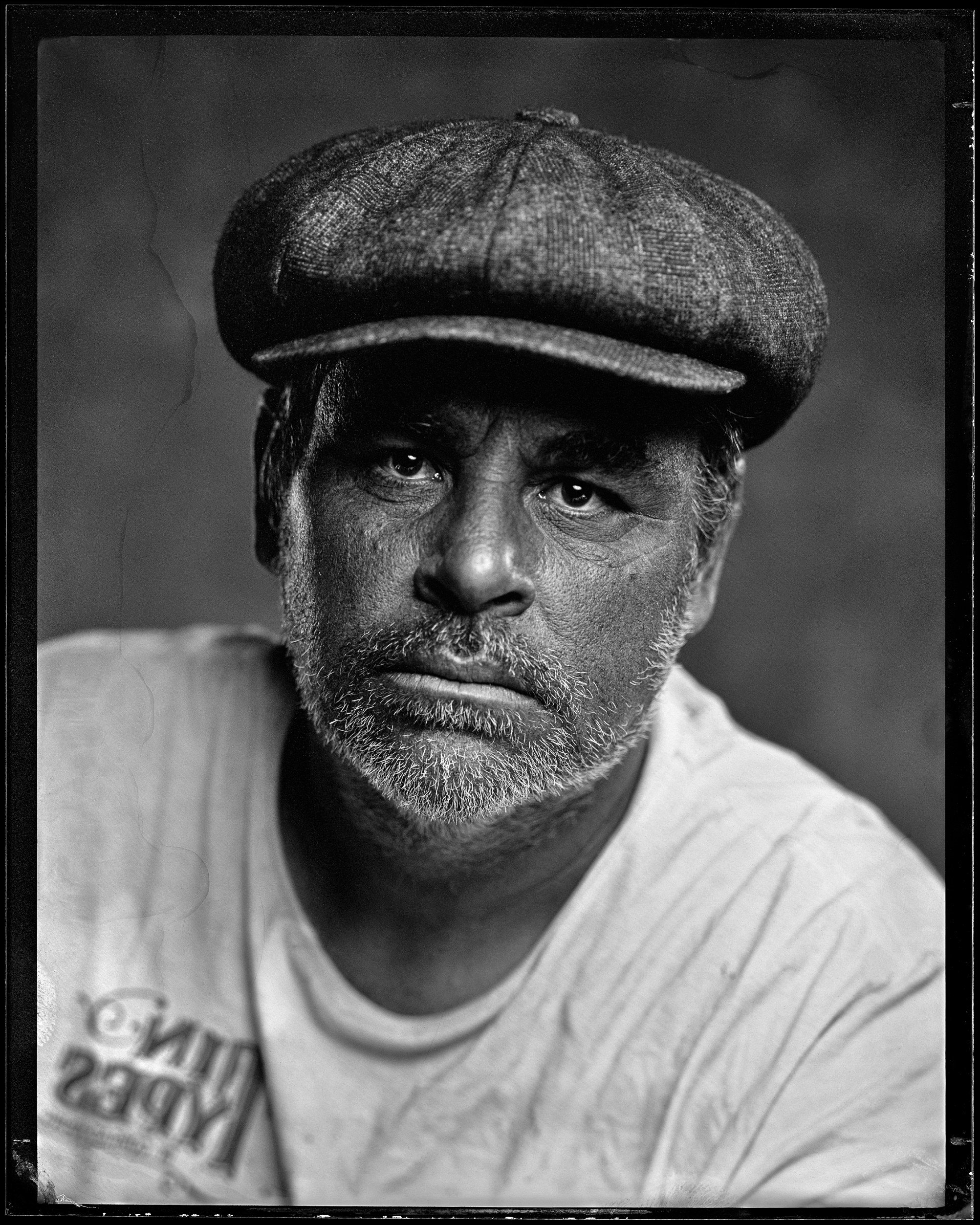
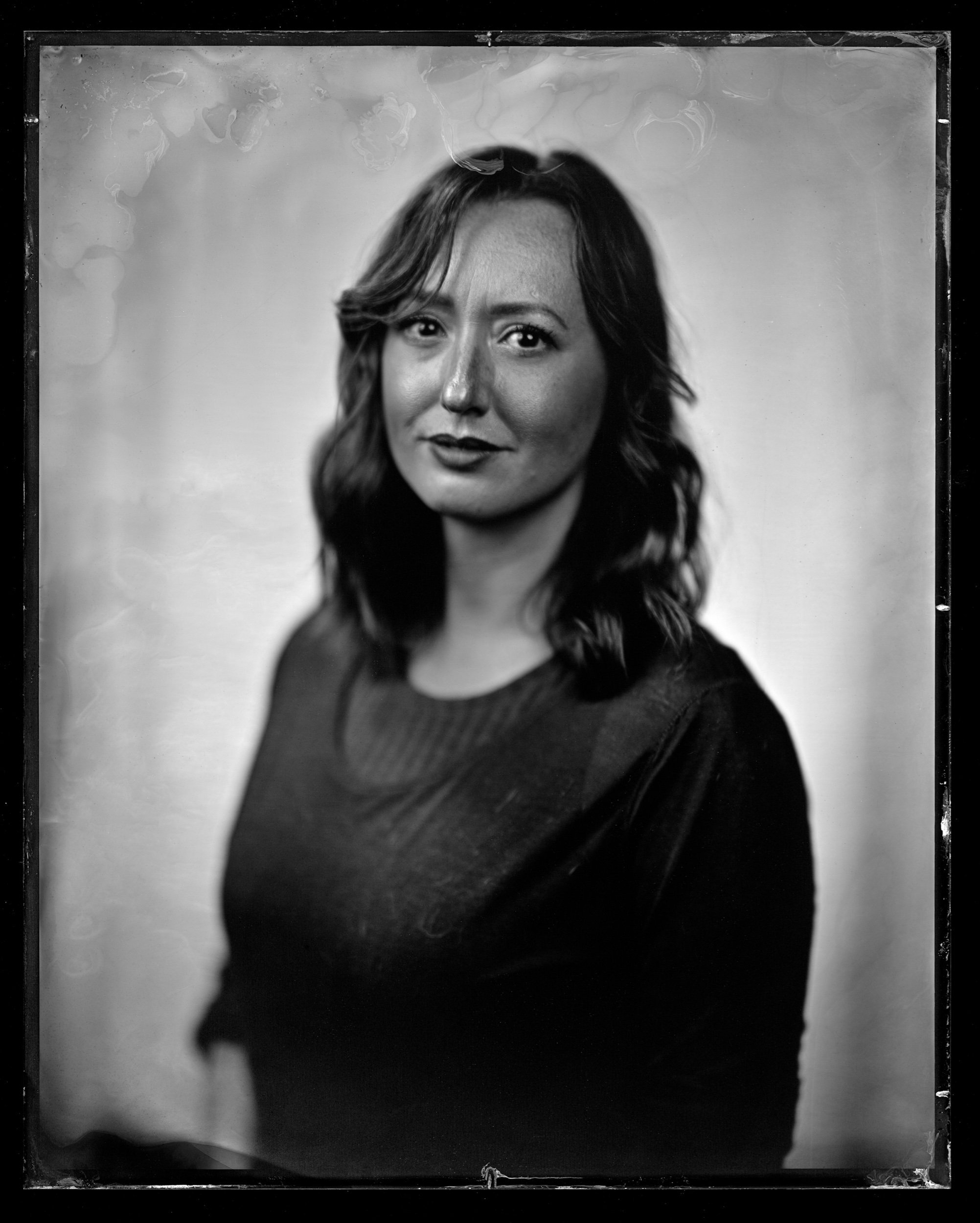
Exposure is an art and a science, and by now I can mostly predict it. That frees up room to be ambitious about everything else: how much shadow to keep, how bright a plate can go before it stops feeling like silver, how far a set can be built before the picture stops being a portrait. A tintype comes out of the camera already finished — highlights etched in silver against black metal — so every decision has to be made before the shutter, not after. A decade back at it, the process still refuses to become routine.